
The Unsung Heroes of Coastal Protection
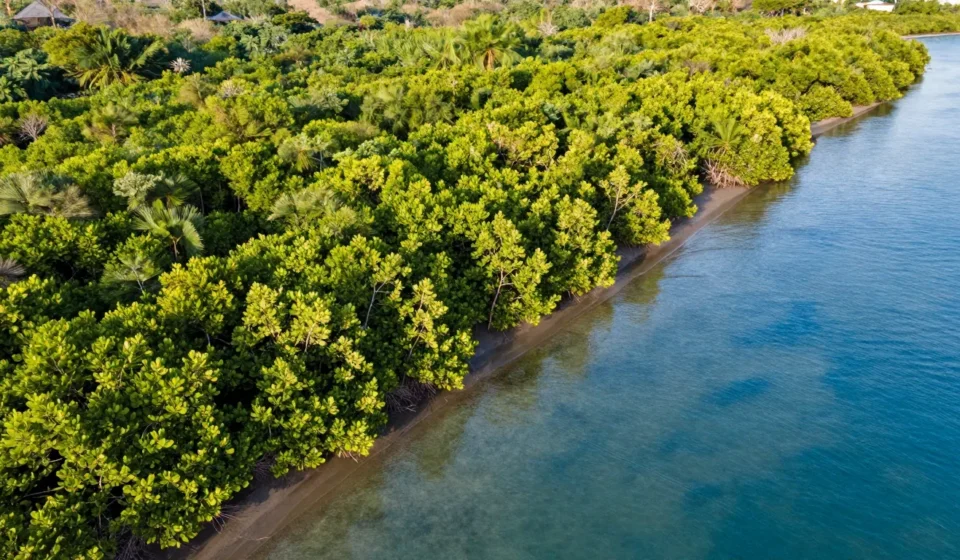
Mangroves are among the most productive ecosystems on Earth, yet they often go unnoticed. These salt-tolerant trees are a cornerstone of mangrove climate resilience, providing a natural barrier against storms and erosion. Their complex root systems trap sediment and absorb wave energy, reducing the impact of storm surges and rising sea levels.
This natural defense system benefits both people and biodiversity, storing up to five times more carbon per hectare than terrestrial forests. Mangroves are truly blue carbon champions, supporting fisheries and coastal livelihoods.
Mangrove Climate Resilience Explained
Mangrove forests cover only about 0.5% of global coastal area, but they contribute disproportionately to climate mitigation. According to the IPCC, protecting and restoring mangroves could prevent over 1 billion tons of CO2 emissions by 2030.
They also support fisheries, provide timber, and safeguard coastal communities from extreme weather.
However, these ecosystems are disappearing at an alarming rate due to aquaculture, agriculture, coastal development, and pollution. Over 35% of global mangroves have been lost, making conservation urgent.
Key Benefits of Mangrove Ecosystems
- Carbon sequestration: Mangroves capture CO2 and store it in biomass and soil, enhancing their climate resilience. They can store 3-5 times more carbon than rainforests.
- Coastal defense: A 100-meter-wide mangrove forest can reduce wave height by 66% and lower storm surge levels by up to 50 cm.
- Biodiversity hotspot: They provide habitat for fish, birds, and endangered species like tigers and manatees. Over 1,300 species rely on mangroves.
- Livelihood support: Over 100 million people depend on mangrove goods and services, including timber, honey, and fish.
- Water purification: Mangrove roots filter pollutants, improving coastal water quality.
The Critical Role of Mangroves in Carbon Storage
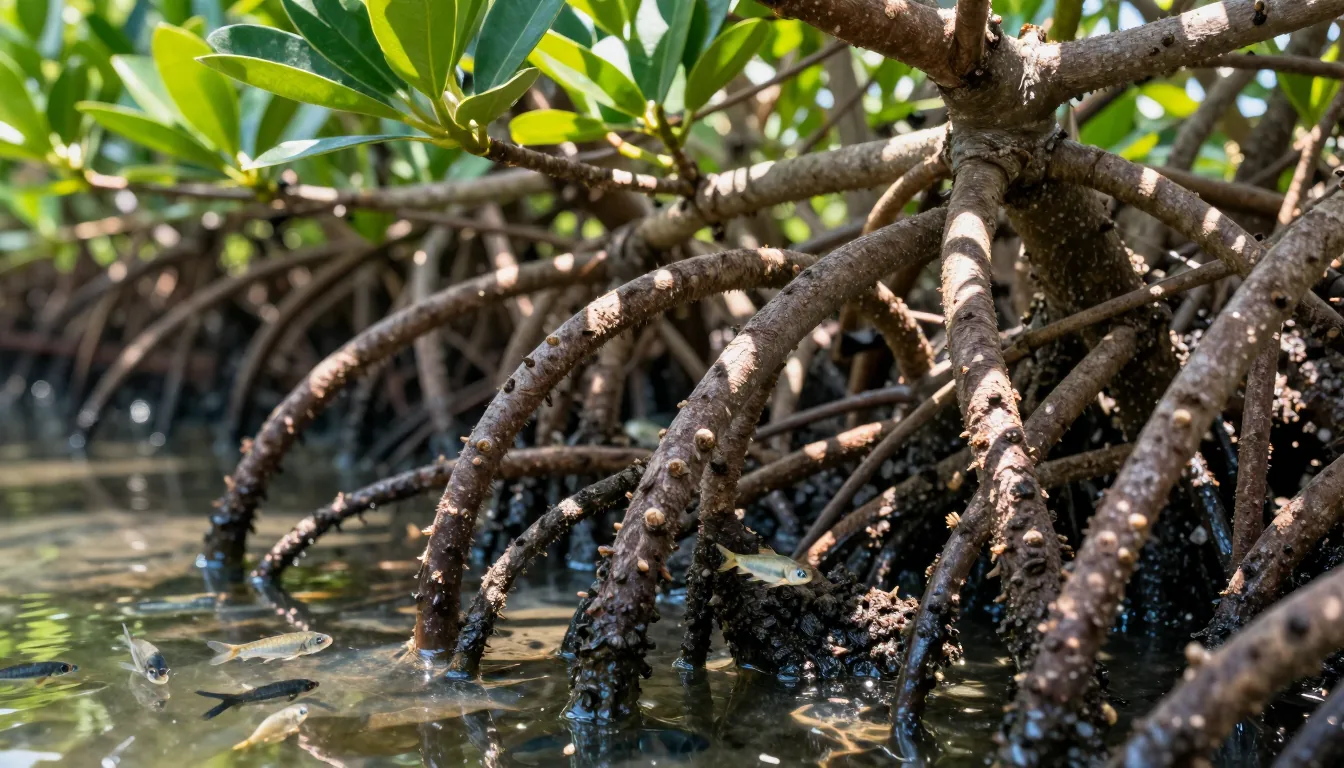
Mangroves are among the most carbon-dense ecosystems on the planet. Their unique ability to store carbon in waterlogged soils prevents decomposition, locking carbon away for millennia.
This process, known as blue carbon, is essential for global climate regulation.
Despite their small area, mangroves account for 14% of carbon storage by coastal ecosystems. Protecting these blue carbon sinks is a cost-effective strategy for climate mitigation.
7 Actionable Steps to Protect Mangroves
1. Support Restoration Projects
Organizations like the IUCN Mangroves for Communities run large-scale restoration programs. Donate or volunteer with science-based efforts that prioritize native species and community involvement.
2. Reduce Your Carbon Footprint
Lower your emissions to mitigate warming that threatens mangroves. Use public transport, switch to renewable energy, and reduce energy consumption at home.
3. Choose Sustainable Seafood
Many shrimp farms destroy mangroves. Look for certifications like ASC or MSC, or opt for farmed shellfish that have lower environmental impact.
4. Avoid Products Containing Palm Oil
Unsustainable palm oil plantations drive mangrove loss. Check labels for RSPO certification, and choose alternatives when possible.
5. Advocate for Stronger Policies
Write to local representatives urging protection of mangroves. Support marine protected areas and call for stronger enforcement of coastal development regulations.
6. Educate Others About Blue Carbon
Share information about mangroves on social media. Many people are unaware of their climate role.
Host community talks or school presentations.
7. Participate in Clean-Ups
Plastic pollution smothers mangrove roots, preventing growth. Join a coastal clean-up to remove debris and improve ecosystem health.
Success Stories in Mangrove Protection
In Thailand, community-led restoration has revived thousands of hectares of mangroves, boosting fish stocks and storm protection. In Kenya, the Mikoko Pamojo project combines carbon credits with forest protection, providing income for locals while sequestering over 3,000 tons of CO2 annually.
Global initiatives like the WWF Mangrove Initiative and the Blue Carbon Initiative are scaling up protection and restoration. These models show that with local engagement and proper funding, mangrove recovery is achievable.
Conclusion: Act Now for a Resilient Future
Mangroves are a cost-effective natural solution to climate change. By understanding and supporting mangrove climate resilience, we can ensure these forests thrive for generations. Every action counts, from policy advocacy to daily consumer choices.
Together, we can protect these coastal guardians and build a resilient future for our planet and its people.