
What Is a Water Footprint?
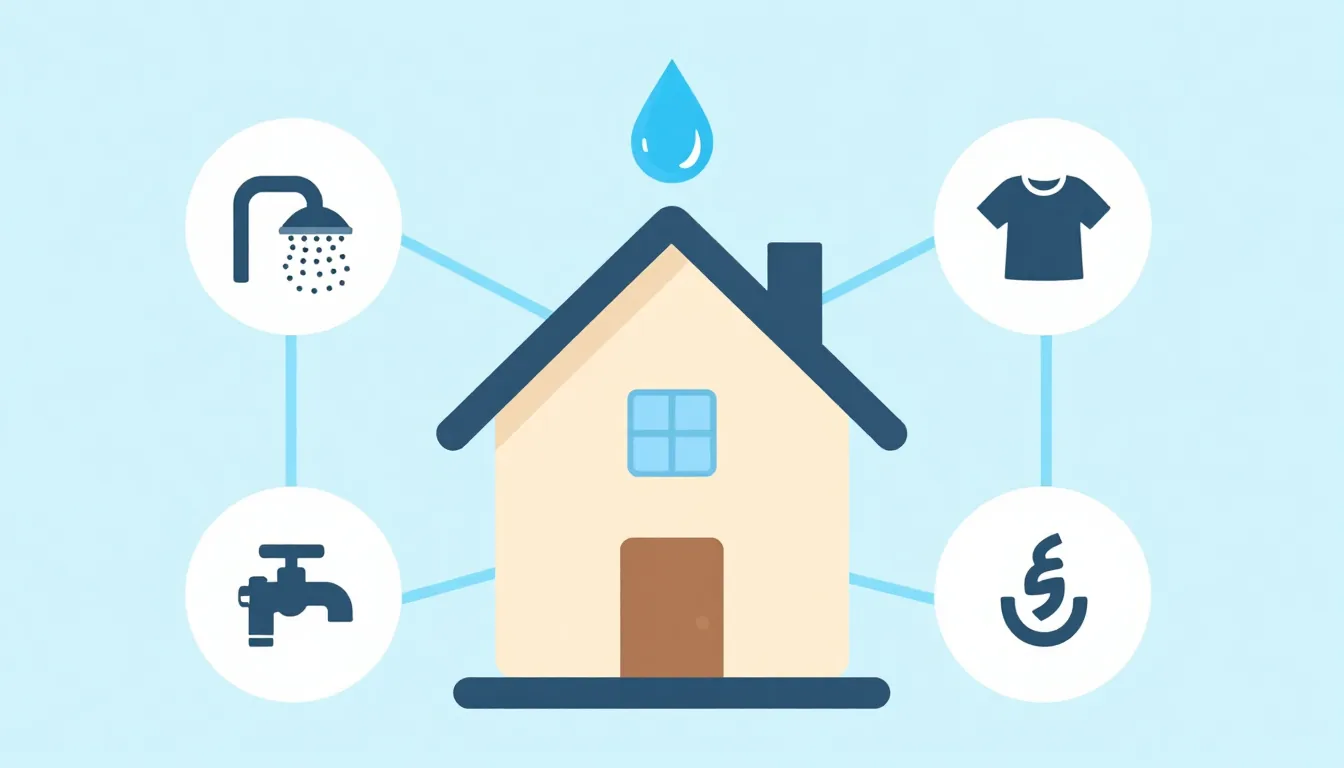
Your water footprint measures the total volume of freshwater used to produce the goods and services you consume. Implementing effective water conservation tips can significantly reduce your household’s impact. Understanding your footprint helps you identify the most impactful areas for change.
Direct water use from taps and toilets is only part of the story. Virtual water embedded in food, clothing, and energy often accounts for the majority of your footprint.
Water Conservation Tips for Direct Home Use
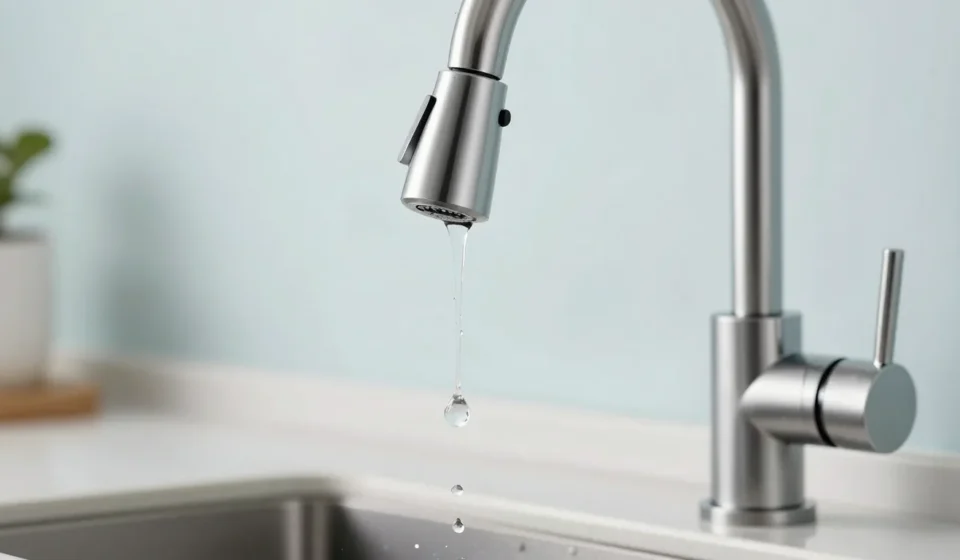
Start with simple fixes: repair leaking faucets, install low-flow showerheads, and turn off the tap while brushing. A single dripping faucet can waste over 3,000 gallons per year.
These direct actions are the most visible part of reducing your water footprint. They also offer immediate savings on your utility bills, making them a great first step.
Bathroom Savings
Replace older toilets with low-flow models or insert a displacement bag to reduce water per flush. Shortening showers to under five minutes saves 10 to 15 gallons each time.
Fixing running toilets promptly can cut bathroom water use by 20% or more. These adjustments are easy to implement and yield fast results.
Kitchen and Laundry Efficiency
Run full loads in dishwashers and washing machines, and use the eco-cycle to avoid pre-rinsing. Energy Star-rated appliances use up to 30% less water than standard models.
Such upgrades reduce both water and energy consumption. Following these efficiency steps in the kitchen can save hundreds of gallons annually.
Outdoor Water Use
Water your garden early morning or late evening to minimize evaporation. Collect rainwater in barrels for plants and choose native, drought-resistant species.
Outdoor watering can account for nearly half of household water use in summer. Watering at dawn is one of the most effective outdoor strategies for conservation.
Reducing Your Virtual Water Footprint
Virtual water is the hidden water used to produce the products you buy. Food production demands enormous amounts: beef requires about 1,800 gallons per pound, while vegetables use far less.
Shifting to a plant-based diet even a few days a week can save thousands of gallons. Clothing also has a high water footprint—cotton needs 2,700 gallons for a single T-shirt.
Buy secondhand or choose natural fibers like hemp or linen. Every small choice adds up to significant savings over time.
Energy and Water Connection
Electricity generation consumes water for cooling. Reducing energy use—by switching to LED bulbs, unplugging devices, and adjusting thermostats—also lowers your water footprint.
Learn more about sustainable living at our Sustainability & Ecology section.
Waste Not, Want Not
Every item thrown away represents embedded water. Compost food scraps, recycle, and avoid single-use plastics to keep virtual water from being wasted.
For further reading, check the Water Footprint Network and EPA WaterSense programs.
Measuring Your Water Footprint
You can measure your water footprint using free online tools. The Water Footprint Network provides a detailed calculator that accounts for diet, energy, and goods.
Many utilities offer smart meters that show real-time water use. Compare your monthly bills to see the impact of your conservation efforts.
Start with one or two changes today—monitoring your water bill and using a smart meter can reinforce new habits. Collectively, small household shifts add up to significant conservation.
Indoor Water-Saving Habits
Beyond fixtures, adopt mindful habits like turning off the tap while shaving or brushing. Collect cold water while waiting for hot water and use it for plants.
Defrost food in the refrigerator instead of under running water. These habits are easy to integrate and can save dozens of gallons daily.
Invest in Water-Saving Technology
Consider smart irrigation controllers that adjust watering based on weather. Graywater systems can recycle water from sinks and showers for garden use.
While initial costs may be higher, the long-term savings in water bills and environmental impact are substantial. Many utilities offer rebates for such upgrades.