

Data Analytics Decisions: The New Frontier of 2026
In 2026, making data analytics decisions separates market leaders from laggards. The volume of available data has exploded, but only organizations that extract actionable insights will thrive.
This article outlines seven proven strategies to harness business intelligence for competitive advantage.
Data-driven leadership is no longer optional. CEOs and executives must embed analytics into every strategic conversation.
From supply chain optimization to customer personalization, the opportunities are vast.
Building a Robust Analytics Infrastructure
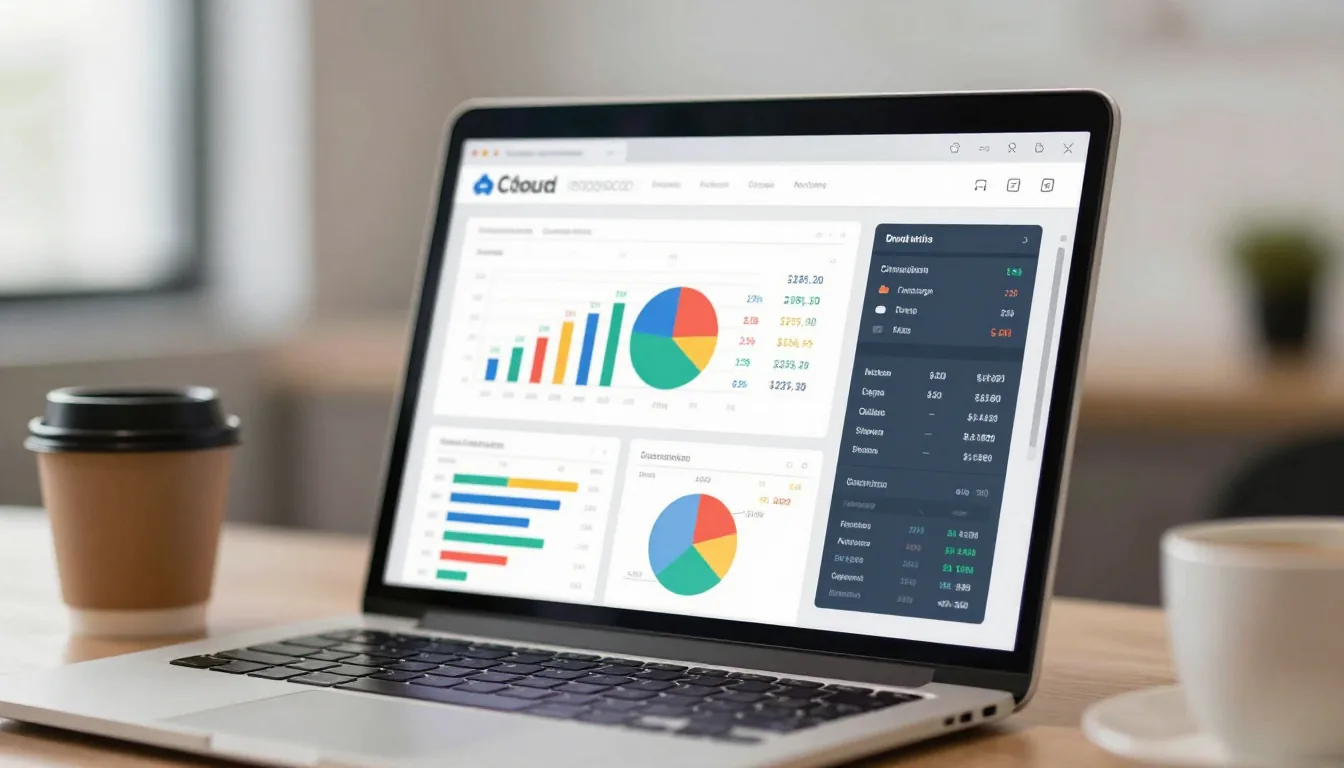
A solid foundation starts with scalable data pipelines. Effective data analytics decisions rely on clean, accessible data.
Invest in cloud-based platforms like Snowflake or Databricks to unify disparate sources. Ensure your architecture supports real-time streaming and historical analysis.
Data governance is equally critical. Assign clear ownership and establish quality standards.
Without trust in your data, even the most sophisticated models will fail to drive accurate insights.
Essential Tools for 2026
Look for platforms that combine ETL, warehousing, and visualization. Tools such as Tableau, Power BI, and Looker remain staples, but AI-driven assistants like ThoughtSpot are gaining traction.
These reduce time-to-insight dramatically.
Integration with existing CRM and ERP systems is vital. A unified view of customer, operational, and financial data unlocks cross-functional analytics.
This enables more holistic decisions.
Predictive Analytics for Proactive Leadership
Move beyond descriptive dashboards. Predictive models using machine learning can forecast demand, churn, and market shifts.
Predictive models enhance data analytics decisions by forecasting outcomes. By 2026, early adopters will rely on prescriptive analytics that recommend optimal actions.
For example, retailers can predict inventory needs with 95% accuracy. Financial firms detect fraud before transactions complete.
These capabilities turn data into a strategic asset.
Getting Started with ML Models
Start small with a specific business problem. Use open-source frameworks like TensorFlow or cloud AutoML services.
Iterate quickly, measure impact, then scale successful pilots.
Combine internal data with external signals—economic indicators, social sentiment, weather patterns. This enriches predictions and accounts for unexpected variables.
Real-Time Dashboards and Agile Responses
Static monthly reports are obsolete. Real-time dashboards empower managers to act on emerging trends.
Tools like Grafana and Metabase allow custom alerts and drill-downs.
Agile decision-making requires a culture of experimentation. A/B test hypotheses rapidly and roll back failed initiatives swiftly.
Data analytics decisions become iterative rather than annual.
Key Metrics to Monitor Live
Focus on leading indicators: customer acquisition cost, lifetime value, net promoter score, and operational efficiency. Benchmark these against industry standards to detect anomalies.
Set up automated triggers. For instance, if churn rate spikes above a threshold, an alert notifies the retention team.
This reduces reaction time from days to minutes.
Cultivating a Data-Driven Culture
Technology alone is insufficient. The best analytics decisions come from teams that embrace data curiosity.
Provide training programs and celebrate wins driven by insights.
Encourage cross-departmental collaboration. Marketing, sales, and product teams should share dashboards and align on common metrics.
Break down silos to maximize the value of your data.
Overcoming Resistance
Some leaders cling to intuition. Bridge this gap by demonstrating quick wins—a simple analysis that saves time or money.
Use storytelling with data to make insights compelling.
Reward data-driven behavior in performance reviews. When employees see that analytics is valued, adoption accelerates.
This cultural shift is a competitive moat.
Actionable Takeaways for 2026
Execute these steps to master data analytics decisions: (1) Audit your current data maturity; (2) Prioritize a single high-impact use case; (3) Invest in real-time dashboards; (4) Pilot predictive models; (5) Foster a data-first mindset.
For deeper insights, explore resources from Harvard Business Review and Gartner. And revisit our Business & Entrepreneurship archive for related guides.
The future belongs to organizations that act on data. By embedding these strategies, you will not only keep pace but lead your industry into a new era of intelligent enterprise.