
7 Ways to Cut Costs Without Cutting Corners: Smart Savings That Preserve Quality

Why Cost Reduction Must Be Strategic
Every business leader faces pressure to reduce operational costs without damaging the customer experience. The challenge is separating wasteful spending from investments that drive value.
A strategic approach targets inefficiencies while protecting what makes your product or service exceptional.
Adopting a lean mindset allows you to identify redundancies and streamline processes. The goal is not to slash indiscriminately but to optimize resource allocation.
Below are seven methods that have worked for high-growth companies.
Reduce Operational Costs: 7 Proven Methods
1. Automate Repetitive Tasks
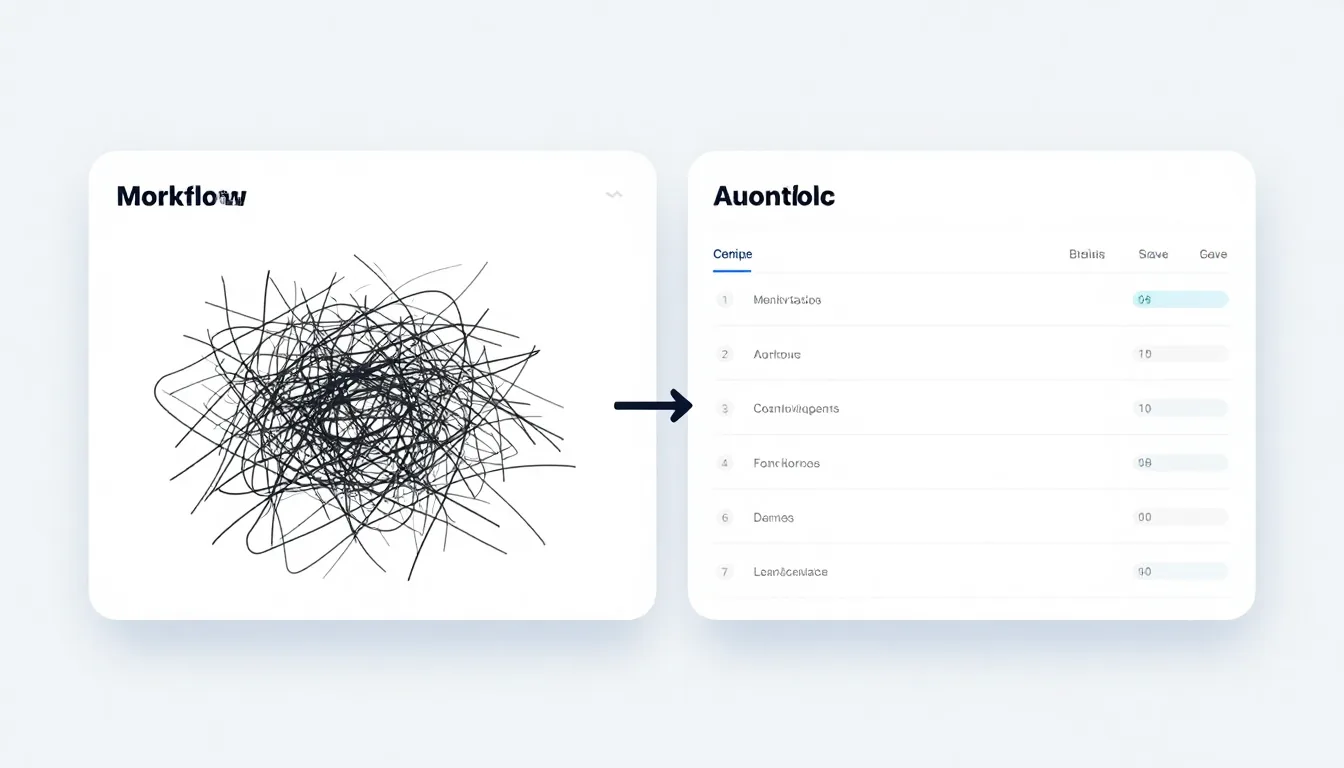
Automation is one of the fastest ways to reduce operational costs. Software tools can handle invoicing, customer support tickets, and inventory tracking without human intervention.
For example, using a chatbot for FAQs cuts labor costs while maintaining 24/7 service. Evaluate your workflows and identify tasks that consume more than 10 hours per week—those are prime candidates for automation.
Actionable Steps
- Map out all manual processes in your operations.
- Research automation platforms like Zapier or industry-specific solutions.
- Pilot one automation and measure time saved before scaling.
2. Renegotiate Supplier Contracts
Your vendors may be open to better terms, especially if you have a long history or order volume. A simple renegotiation can lower material costs or secure volume discounts.
Alternatively, consolidate purchases with fewer suppliers to increase bargaining power. Many companies achieve 10–20% savings just by revisiting contracts annually.
When you reduce operational costs through smarter procurement, you maintain quality while freeing up budget.
For deeper insights, read this Harvard Business Review guide on supplier negotiations.
3. Embrace Remote and Hybrid Work
Allowing employees to work from home can slash real estate, utilities, and office supply expenses. Research shows that remote workers are often more productive, which further improves your bottom line.
If a full remote model isn't feasible, consider a hybrid schedule to reduce office footprint. The savings can be redirected into customer-facing improvements.
This approach helps reduce operational costs without sacrificing quality of work.
4. Optimize Energy and Resource Usage
Energy costs are a significant operational expense. Switching to LED lighting, installing smart thermostats, and encouraging energy-saving habits can cut utility bills by up to 30%.
Similarly, reduce waste by digitizing documents and implementing just-in-time inventory. These changes lower costs while supporting sustainability—a plus for your brand image.
Every kilowatt saved contributes to your goal to reduce operational costs.
5. Cross-Train Your Workforce
Relying on specialists for every role creates bottlenecks and overtime costs. Cross-training employees enables them to cover multiple functions, reducing the need for temporary hires or overtime pay.
This flexibility also improves team resilience during busy periods. Start with a skills matrix and offer voluntary training sessions.
Cross-training is a low‑cost way to reduce operational costs by maximizing existing talent.
Learn how other Business & Entrepreneurship leaders structure their teams for efficiency.
6. Monitor Key Performance Indicators (KPIs) Religiously
You can’t manage what you don’t measure. Track metrics like cost per unit, customer acquisition cost, and employee productivity to identify waste early.
Use dashboards that provide real-time visibility into spending. When a metric deviates, investigate immediately—small inefficiencies compound quickly.
KPIs are essential to reduce operational costs because they highlight where money leaks occur.
A great resource is Forbes’ list of essential KPIs.
7. Outsource Non-Core Functions
Functions like payroll, IT support, and content marketing can often be handled more cost-effectively by specialized providers. Outsourcing converts fixed costs into variable ones, aligning expenses with revenue.
Conduct a cost-benefit analysis for each department. If an external vendor can deliver equal quality at a lower price, it's a strategic win.
Outsourcing is a proven tactic to reduce operational costs while keeping quality high.
Conclusion
Reducing operational costs need not compromise quality. By automating, renegotiating, optimizing resources, and cross-training, you can achieve leaner operations without diminishing customer satisfaction.
The key is continuous improvement—regularly review processes and adapt to changing conditions.
Start with one or two strategies from this list and track the impact. Over time, these small changes will compound into significant savings that strengthen your competitive edge.
The most successful companies are those that consistently find new ways to reduce operational costs while elevating their offerings.