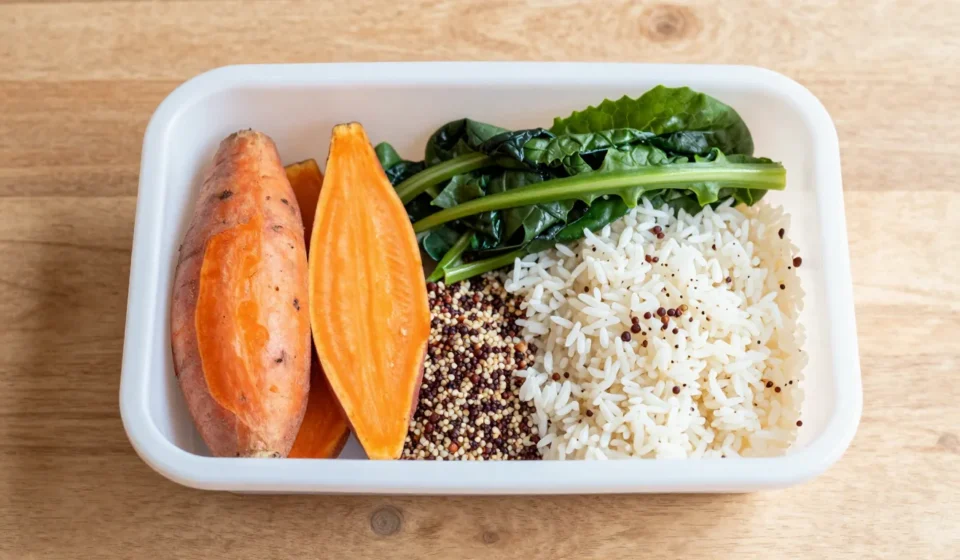

Understanding Carb Cycling Effectiveness for Fat Loss
Carb cycling effectiveness is often touted as a superior fat loss method, but does it really work? This approach manipulates your daily carbohydrate intake based on activity levels.
On training days, you eat more carbs; on rest days, you restrict them. Let’s cut through the noise and examine the evidence.
Proponents claim this pattern optimizes fat loss while preserving muscle mass. First, understand the premise: carbs are your body’s preferred fuel for high-intensity exercise.
By timing higher intake around workouts, you theoretically enhance performance and recovery. Lower carb days then tap into fat stores.
Does Carb Cycling Outperform Standard Dieting?
Research comparing carb cycling to traditional calorie restriction shows no significant advantage for fat loss. A 2021 systematic review found that when calories and protein are matched, weight loss is similar.
Carb cycling effectiveness hinges on adherence and individual response.
However, some studies note improved insulin sensitivity and reduced hunger on low-carb days. For athletes, carb cycling can support training intensity while preventing fat gain.
But for the average gym-goer, simple calorie control often works just as well.
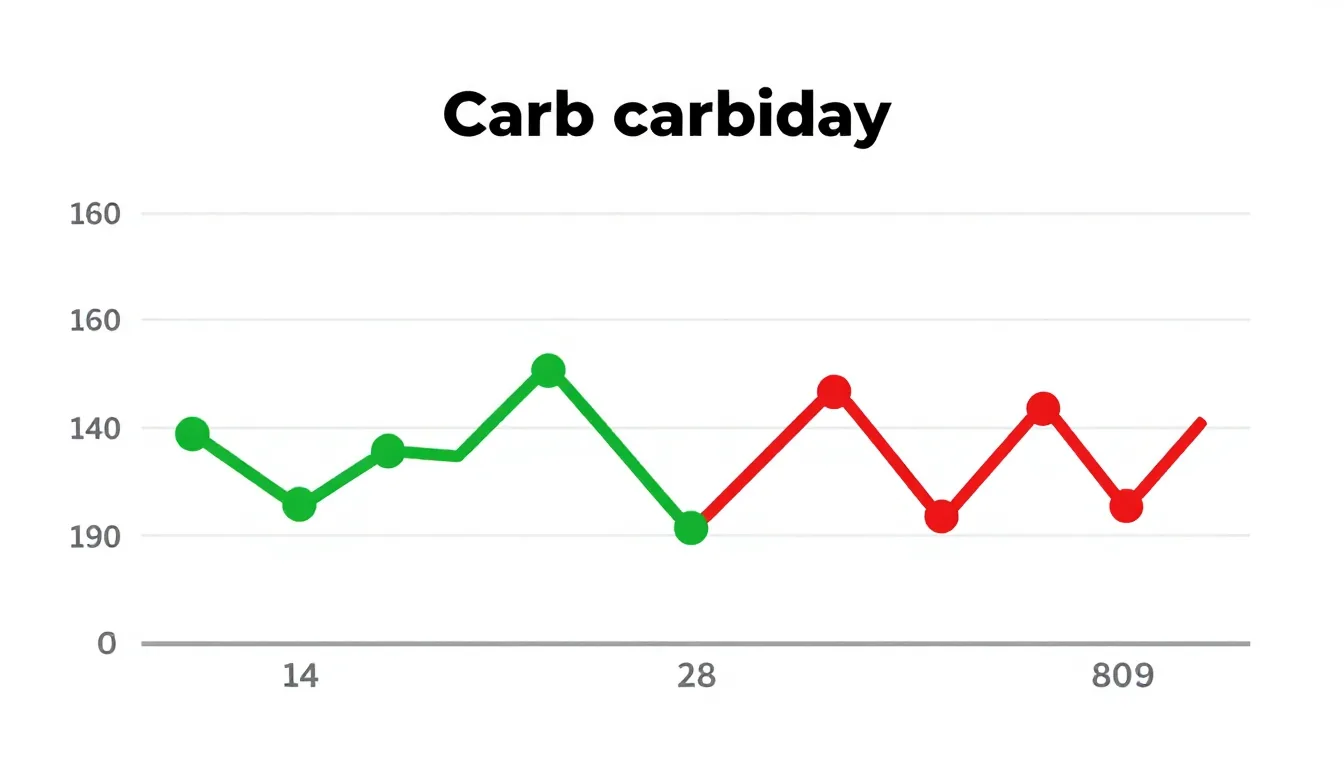
Key Factors That Determine Results
- Total calorie intake: Carb cycling doesn’t override the laws of thermodynamics. A deficit is still required for fat loss.
- Protein intake: High protein (1.6–2.2 g/kg) is critical for muscle sparing – regardless of carb cycling.
- Training intensity: High-carb days should align with heavy lifting or high-volume sessions to maximize performance.
- Individual tolerance: Some people thrive on fluctuating carbs; others feel sluggish and binge. Honesty matters.
The Performance Angle: Does Carb Cycling Boost Workouts?
Carb loading before training can improve power output and endurance. A study in the Journal of the International Society of Sports Nutrition showed that cyclists performed better with higher pre-exercise carbs. For strength athletes, carb availability may enhance rep performance.
But the effect on long-term muscle gain is modest. If your workouts are consistent, carb cycling might give you a slight edge.
Don't expect miracles – training stimulus remains the primary driver of hypertrophy.
Common Mistakes That Sabotage Carb Cycling
People often overeat on high-carb days, wiping out the weekly deficit. Track your macros for at least a week.
Another error: keeping carbs too low on rest days, leading to lethargy and poor recovery.
Your brain needs glucose, even on off days. Also, neglecting fiber and micronutrients is a big mistake.
High-carb doesn't mean junk food; choose whole grains, fruits, and veggies.
Otherwise, you’ll feel terrible and likely quit. Consistency is key for carb cycling effectiveness to shine.
Who Actually Benefits from Carb Cycling?
Three groups see real value: physique competitors peaking for a show, athletes with high training volumes, and individuals with insulin resistance or metabolic syndrome. For them, carb cycling can improve outcomes.
For most people seeking fat loss, a flexible diet that fits your lifestyle is better.
Remember, the best diet is the one you can stick with. If carb cycling adds unnecessary complexity, skip it.
Focus on protein, fiber, and a moderate deficit. That alone produces results.
To further understand carb cycling effectiveness, let's look at practical implementation. A typical pattern involves three high-carb days and four low-carb days per week.
Adjust based on your training schedule. For example, heavy leg day?
Load up on carbs. Light cardio?
Keep carbs low.
Another point: carb cycling may help with metabolic adaptation. Prolonged calorie restriction can lower your metabolic rate.
Strategic refeeds on high-carb days might counteract this decline. However, research on this is mixed and more studies are needed.
For more on effective fat loss strategies, visit our Fitness & Sports archive. Also check Examine.com’s analysis and this research review for deeper insights into carb cycling effectiveness.