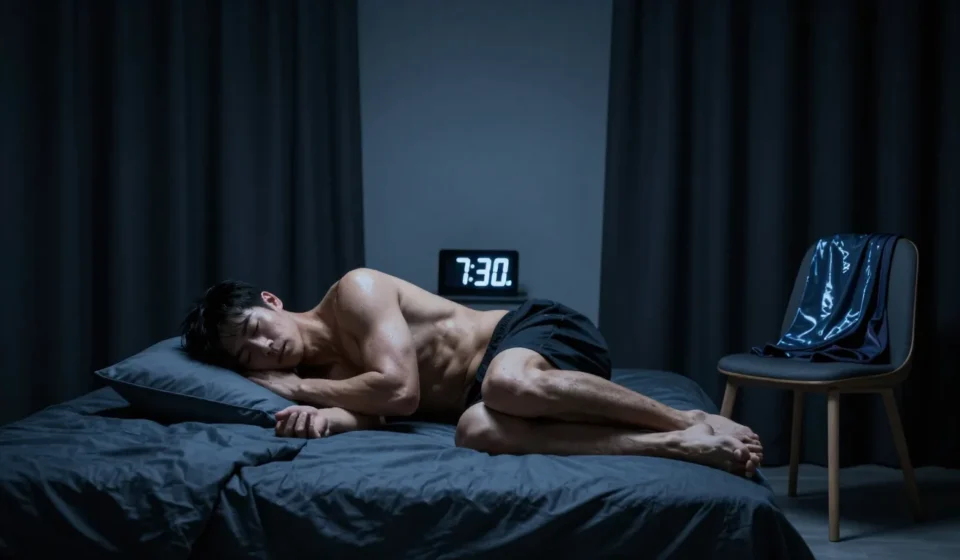

Sleep for Muscle Recovery: The Missing Link in Your Gains
You grind in the gym, push through plateaus, and dial in your nutrition—but if you’re skimping on sleep, you’re leaving gains on the table. Sleep for muscle recovery is not optional; it’s the biological process that repairs torn fibers and replenishes your nervous system. Without it, your training volume becomes wasted effort.
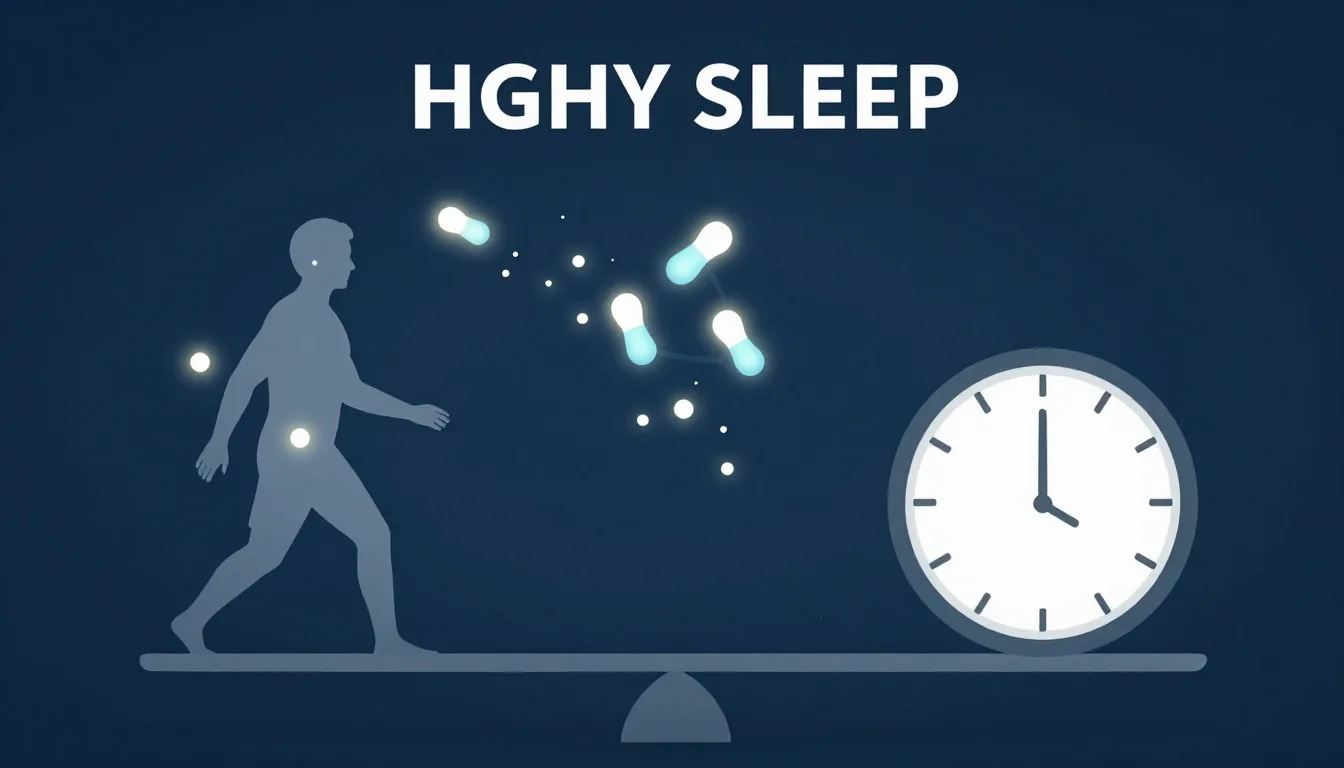
Think of sleep as your most powerful anabolic window. During deep sleep, your body releases human growth hormone (HGH) and testosterone—the two hormones that drive hypertrophy.
Miss this window, and you blunt the very signals that build muscle. Studies show that sleeping less than 6 hours per night can cut your strength gains by up to 20%.
Why Sleep Hygiene Determines Your Lifting Performance
Growth Hormone Release Peaks in Deep Sleep
Your pituitary gland secretes the bulk of its HGH during the first few hours of slow-wave sleep. This is the hormone that stimulates protein synthesis and repairs microtears in muscle tissue.
If you wake up frequently or sleep too short, that surge is muted.
One study found that a single night of 4 hours of sleep reduced HGH output by nearly 70%. That’s a direct hit to your recovery capacity.
Good sleep hygiene—consistent bedtime, dark room, cool temperature—preserves this critical release. Additionally, optimizing your pre-sleep routine can further enhance this hormonal peak.
Cortisol Management Through Quality Rest
Sleep debt sends cortisol through the roof. This catabolic hormone breaks down muscle tissue and inhibits protein synthesis.
The result is a weaker, slower recovery and potential loss of hard-earned mass.
Research from this study shows that chronic sleep restriction elevates cortisol and reduces testosterone, creating a hormonal environment hostile to hypertrophy. Prioritizing sleep for muscle recovery keeps cortisol in check and your anabolic drive high.
Actionable Sleep Hygiene for Lifters
Set a Fixed Wake-Up Time
Your body’s circadian rhythm craves consistency. Wake up at the same time every day—even on weekends—to anchor your sleep-wake cycle.
This makes falling asleep easier and deep sleep more consistent.
Limit Blue Light 60 Minutes Before Bed
Blue light from screens suppresses melatonin, the hormone that signals sleep onset. Use night mode or wear blue-blocking glasses.
Better yet, read a physical book or review your training log.
Cool Your Room to 65-68°F
Core body temperature drops naturally during sleep. A cool room accelerates that drop, helping you enter deep sleep faster.
Invest in a fan or adjust your thermostat for maximum recovery.
For more on training and recovery, check out our Fitness & Sports archive.
Don’t Eat Heavy Meals Within 2 Hours of Bed
Digestion raises your core temperature and disrupts sleep. Stick to a light protein shake if you need something before bed.
Avoid alcohol—it fragments sleep and reduces HGH release by up to 30%.
A 2018 review in Sports Medicine emphasizes that even moderate alcohol intake before sleep impairs muscle repair.
How Much Sleep Do You Really Need?
For most lifters, 7-9 hours is the sweet spot. Elite athletes often push toward 9-10 hours to handle high training volumes.
If you’re training heavy, you need more recovery—not less.
Track your sleep with a simple journal or wearable. Aim for at least 7 hours on training days.
If you feel groggy or weak in the gym, add an extra 30 minutes.
Sleep for muscle recovery is your cheapest performance enhancer. Consistent quality sleep amplifies your training adaptations. Without adequate sleep for muscle recovery, even the best diet and workout plan will fall short.
Incorporate these habits for two weeks and watch your lifts climb. Recovery isn’t passive—it’s active work.
Make sleep a priority, or your gains will stay in the locker room. Commit to these changes and you’ll soon notice improved energy and faster progress in the gym.