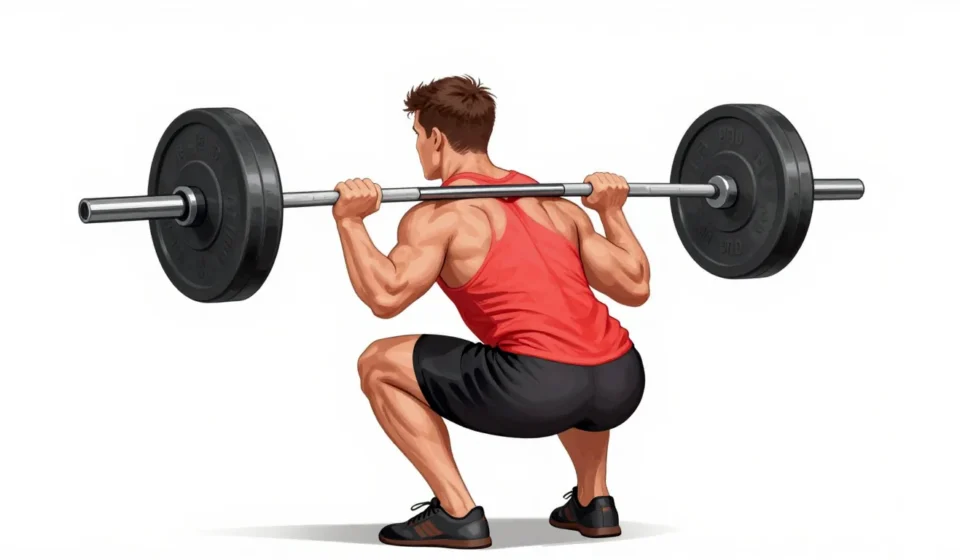

Why Your Lower Back Hurts After Squats
The squat lower back pain fix starts here: you blame squats for your aching back, but the barbell isn’t the problem—your form is. The real culprit is a loss of neutral spine under load, often called a ‘butt wink’ or lumbar flexion.
Every rep you round your lower back, you grind your spinal discs. Over time, that leads to pain, herniation, or worse.
The fix? Learn to brace and hinge correctly.
Without proper bracing, your spine takes the load meant for your legs.
Understanding Neutral Spine in Squats
Neutral spine means your lower back maintains its natural curve throughout the movement. When you lose it, your discs absorb shear forces they're not designed for.
That's why so many lifters end up with chronic back pain.
Watch yourself in a side mirror. If your tailbone tucks under at the bottom, you're losing neutrality.
Stop the set immediately and reset your position. Depth is useless if it ruins your back.
The Squat Lower Back Pain Fix: One Cue That Changes Everything
Stop thinking about your back. Instead, think about your ribs.
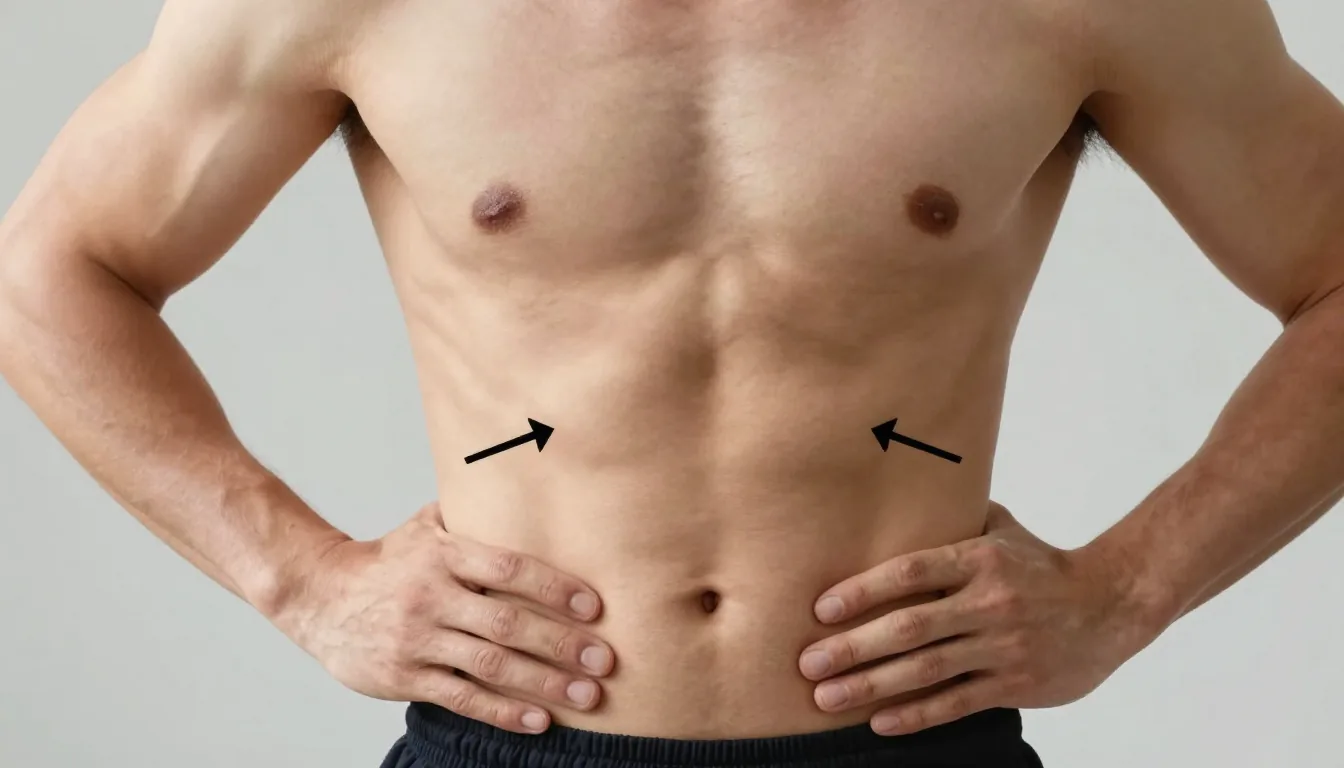
Tuck your ribs down and pull your belly button to your spine. This locks your core and keeps your pelvis stable.
It's the single most effective squat lower back pain fix you can use.
Brace Before You Lift
Take a deep breath into your obliques, not your chest. Hold it like someone's about to punch you.
Maintain that intra-abdominal pressure through the whole squat. Exhale only on the way up or after the rep.
If you can't keep your ribs down, you're losing tension. Deload and practice with just the bar until it's automatic.
Film yourself from the side to confirm your spine stays flat.
Mobility Drills to Free Your Hips
A tight posterior chain forces your lower back to round. Fix your hip flexion and ankle dorsiflexion, and your squat depth improves without back strain.
These drills target the most common restrictions.
- Deep lunge holds – 90/90 stretch for hip internal rotation
- Kneeling ankle dorsiflexion – push knee over toe while keeping heel down
- Cat-cow – maintain spinal awareness before lifting
- Pigeon pose – opens tight glutes and piriformis
Program These Into Your Warm-Up
Spend 5 minutes before every squat session on these drills. Your back will thank you.
If you're still rounding, check your stance width—too narrow can force lumbar flexion. Also examine your hip anatomy; some people need a wider stance to stay upright.
Common Mistakes That Worsen Back Pain
Many lifters ignore their bracing and push through pain. That's a recipe for injury.
Another mistake is using too much weight before mastering form. Always prioritize technique over load.
Also avoid craning your neck up. Keep your head neutral, looking at a spot on the floor about six feet ahead.
This helps maintain a straight spine throughout the lift.
Progressive Overload Without Pain
Apply progressive overload wisely. Increase volume or intensity only after you can perform five perfect reps.
Reset if you feel any back discomfort. This approach prevents chronic issues.
Consider using a belt for heavier sets—it helps maintain intra-abdominal pressure. But don't rely on it as a crutch.
Practice bracing without one first.
For more on squat mechanics, visit Stronger By Science or check out T Nation’s guide. And don’t skip your Fitness & Sports archive for more technique breakdowns.
Put It Into Practice
Next session, focus on bracing and foot pressure. Drive your knees out without letting your lower back cave.
If you feel a pinch, stop and reset. Consistency beats intensity every time.
Fix your squat now, and you'll lift pain-free for years. Remember, this squat lower back pain fix is about building habits, not quick fixes.
Progress slowly, and your back will thank you.