
Why Siblings Fight (And Why You’re Not Failing)
Sibling fighting is as natural as spilled milk—annoying, sticky, and guaranteed to happen. But understanding the root causes helps you stop sibling fighting without losing your mind.
Most squabbles stem from competition for attention, boredom, or underdeveloped emotional regulation. Your kids aren’t little sociopaths; they’re just terrible at sharing and impulse control.
Research shows sibling conflict peaks between ages 3 and 7, when kids are learning to assert independence but lack social skills. The good news?
Your response can either fuel the fire or teach lifelong conflict resolution.
Let’s skip the guilt and get practical.
Stop Sibling Fighting with 30-Second Interventions
Step in calmly (no, really)
When voices rise, resist the urge to yell from the kitchen. Walk over, squat to eye level, and say, "I see you're both upset.
Let's take a breath."
Your calm is contagious. Model the behavior you want.
Avoid playing detective—you don't need to know who started it.
Instead, focus on the solution: “We keep hands to ourselves. How can we fix this?” This redirects from blame to problem-solving.
The magic of the 3-step redo
After emotions cool, guide them through a quick redo. Step 1: Each child states their feeling (“I felt mad when you took my toy”).
Step 2: They propose a fair solution ("I'll set a timer and we take turns"). Step 3: They practice the new approach with a high-five.
This builds empathy and negotiation skills.
Long-Term Prevention Strategies That Actually Stick
Fill their connection cup
Siblings fight more when they feel disconnected from each other or you. Carve out 10 minutes of one-on-one time per child daily.
Rotate special activities—even reading a book together works. When kids feel seen, they’re less likely to compete for your attention. This proactive approach can help stop sibling fighting before it escalates.
Teach emotional vocabulary
Kids who can name their feelings are less likely to lash out. Use a feelings chart or simply label emotions in the moment: “You’re frustrated because your brother bumped your block tower.”
Over time, they internalize this language and use it instead of hitting. Role-play common triggers—like switching the TV show—and practice calm responses.
Repetition wires the brain for better choices.
When to Let Them Work It Out
Not every squabble needs a referee. Minor disagreements that don’t involve safety or destruction can be handled with a “You got this” approach.
Trust them to find a solution if they have the tools. Step back and listen—you might be surprised by their creativity.
Sometimes the best way to stop sibling fighting is to stay out of it. However, intervene immediately if there’s physical aggression, name-calling, or property damage.
Safety first, lessons later. Separate them, set a clear boundary, and reconvene when everyone is calm.
Proven Mediation Techniques
Here are proven techniques to stop sibling fighting using structured communication.
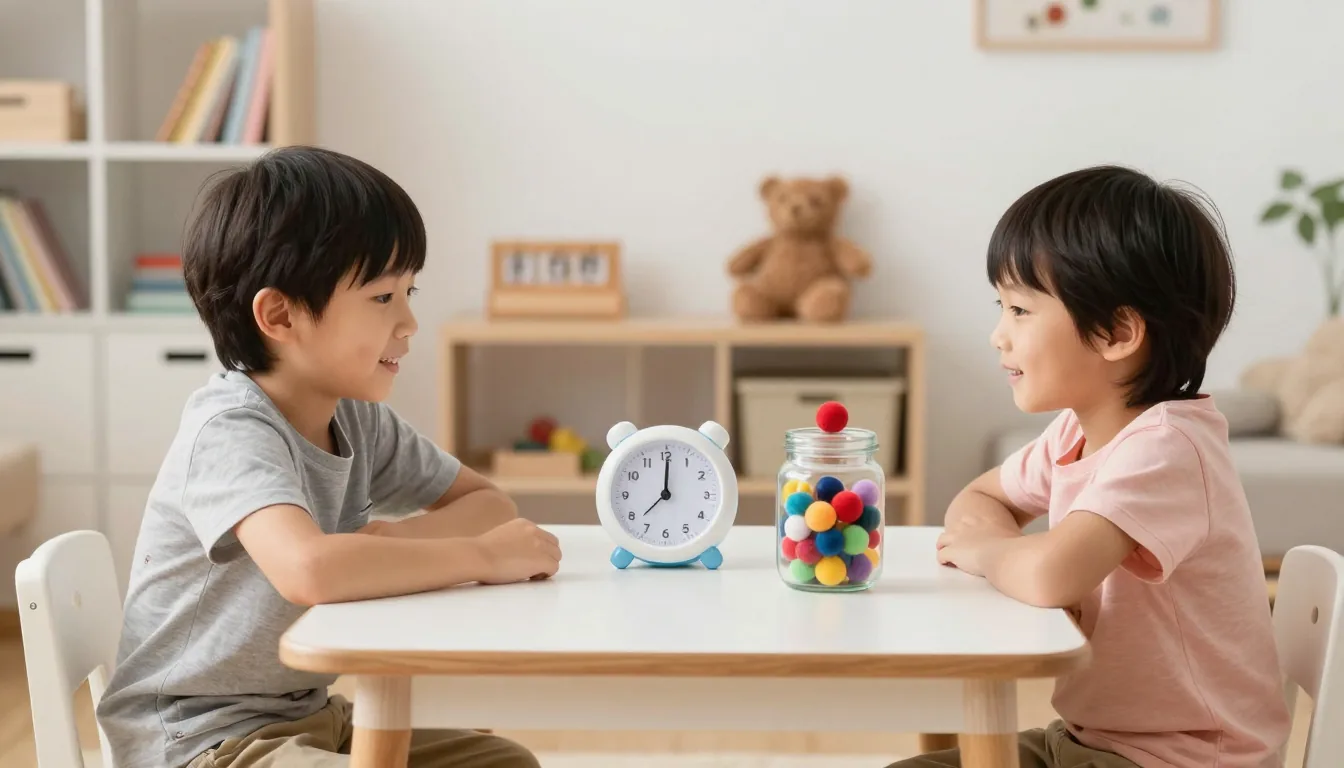
- The peace table: Designate a spot with two chairs and a timer. Each child gets 2 minutes to speak without interruption. Then 2 minutes to brainstorm solutions. No interruptions from you either. This simple routine can stop sibling fighting by giving each child a voice.
- Use “I” statements: Model “I feel… when you… I need…” Be silly if needed—kids respond to playfulness. Try: “I feel like a sad potato when you scream.” It diffuses tension.
- Reward cooperation: Create a “peace jar” where you add a pom-pom each time they resolve a conflict nicely. After 10 pom-poms, they earn a shared reward (extra story, park trip). Positive reinforcement works better than punishment to stop sibling fighting for good.
Each technique can effectively stop sibling fighting when used consistently.
When Sibling Fighting Signals Something Deeper
Persistent, aggressive, or escalating fights may indicate underlying issues like ADHD, anxiety, or learning disabilities. If you notice extreme jealousy, physical harm, or a child always playing victim, consult a pediatrician or child therapist.
Early intervention can prevent lasting damage. Also consider family dynamics: Are kids getting equal attention?
Are comparisons or competition encouraged? Sometimes the fix is in your own behavior.
Final Thoughts: Realistic Expectations
You won’t eliminate sibling fighting entirely—and you don’t need to. Minor conflicts teach negotiation, empathy, and resilience.
Your goal is to reduce the frequency and intensity, not create total harmony. Celebrate small wins: a day with only one fight, or a spontaneous apology.
For more reading, check out this American Academy of Pediatrics article on sibling dynamics, or the Zero to Three guide on toddler conflict. And remember, you’re not alone—every parent deals with this. Hang in there.
Need more support? Browse our Parenting & Family resources for real-world advice.