
The Hidden Psychology of Procrastination: Why We Avoid What Matters Most and How to Stop

The Myth of Laziness
When we procrastinate, we often call ourselves lazy. But the procrastination psychology tells a different story. It’s not about laziness; it’s about emotional regulation.
We delay tasks that trigger discomfort—fear, boredom, or anxiety. Our brain seeks immediate relief, even at the cost of long-term goals.
Understanding this underlying mechanism is the first step toward change.
Procrastination Psychology: Why Your Brain Chooses Distraction
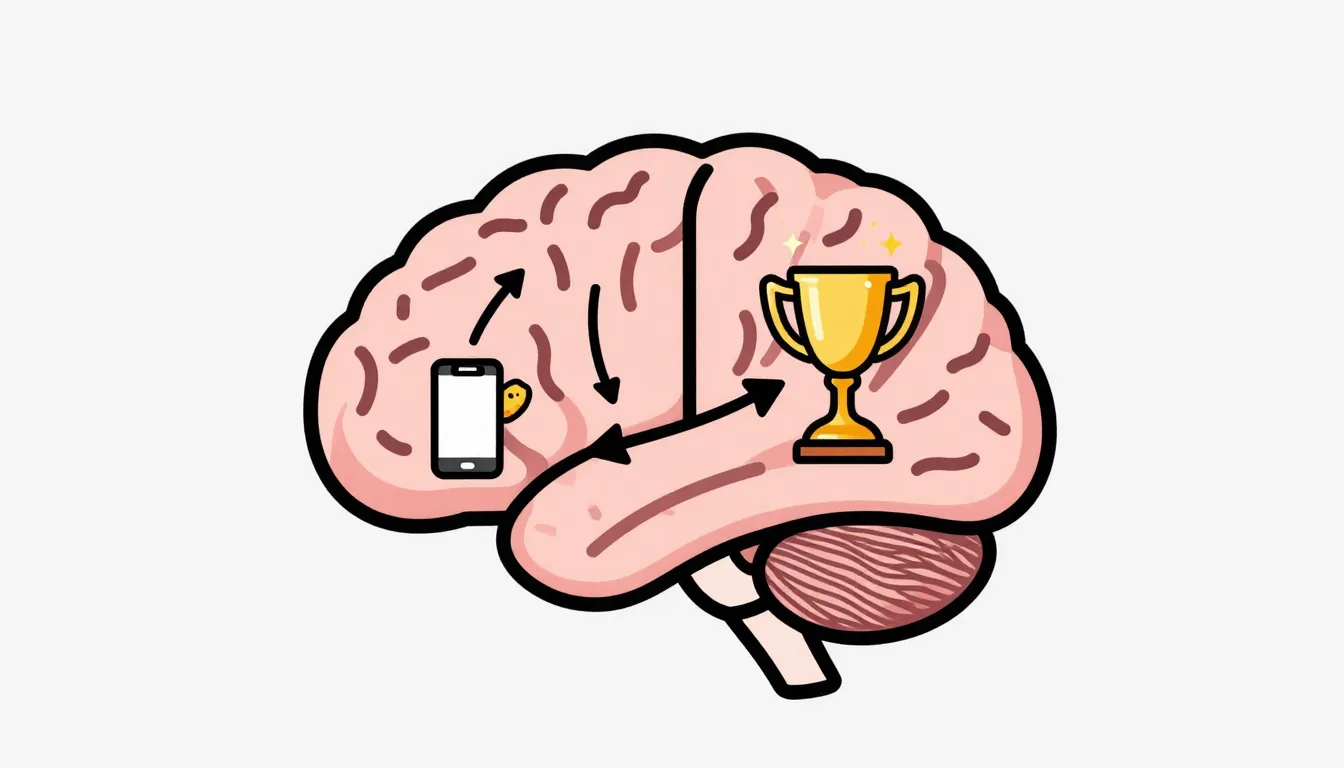
Your brain is wired to prioritize short-term rewards. This phenomenon, known as temporal discounting, makes distant rewards feel less valuable than immediate pleasure.
Scrolling social media gives you a quick dopamine hit, while working on that project feels like a grind. The prefrontal cortex, responsible for decision-making, gets overridden by the limbic system, which craves instant gratification.
Moreover, the brain’s reward system is skewed toward immediate payoffs, making it difficult to delay gratification. This is why breaking tasks into smaller, rewarding steps can rewire the brain’s response over time.
The Role of Fear and Perfectionism
Fear of failure often drives procrastination. Perfectionists avoid starting because they fear the result won’t meet their standards.
This creates a cycle of anxiety and avoidance.
Recognize that done is better than perfect. Set small, achievable milestones to build momentum. The procrastination psychology teaches us that self-compassion reduces the emotional weight of tasks.
The Emotional Roots of Avoidance
Procrastination is often a symptom of underlying emotional struggles. Anxiety about the outcome, fear of judgment, or pressure of high expectations can trigger avoidance. The procrastination psychology reveals that our brain uses delay as a protective mechanism.
For example, if you avoid a difficult conversation, you might be afraid of conflict. Reframing the task as a challenge rather than a threat can help you take the first step.
Emotional awareness is key to breaking the cycle.
The Hidden Cost of Avoidance
Procrastination doesn’t just hurt productivity; it erodes self-esteem. Each missed deadline reinforces a negative self-image, leading to guilt and shame.
Over time, chronic procrastination can cause chronic stress and health issues.
Addressing the root cause is essential for Personal Growth. Understanding the procrastination psychology helps you see that these behaviors are not character flaws but learned patterns.
The Neuroscience of Avoidance
Modern neuroscience reveals why your brain sabotages your best intentions. The amygdala, your brain's fear center, can hijack rational thought when a task feels threatening.
This triggers a fight-or-flight response, making avoidance a natural reflex.
Meanwhile, the prefrontal cortex struggles to exert control when you are tired or stressed. This explains why willpower fades by evening.
Strengthening this region through mindfulness can improve impulse control. Additionally, studies show that even a short meditation session can increase gray matter density in areas associated with self-regulation.
Rewiring Your Brain for Action
Start by forgiving yourself. Self-compassion reduces the emotional weight of the task, making it easier to begin.
Break tasks into tiny steps and celebrate each win. Create an environment that minimizes distractions.
Use time-blocking to dedicate focused periods, and pair dreaded tasks with enjoyable ones to train your brain. The procrastination psychology emphasizes the power of immediate rewards to overcome avoidance.
Practical Strategies to Break the Cycle
Try the Pomodoro Technique: work for 25 minutes, then take a 5-minute break. This reduces the daunting feeling of a huge task.
Also, visualize the relief of completion.
Identify your most important task and do it first thing in the morning when willpower is highest. Use implementation intentions: ‘When I finish my coffee, I will start my report.’ Accountability partners can keep you on track.
For deeper insights, explore the research at American Psychological Association and listen to Tim Urban’s TED talk. A great read is The Procrastination Equation.
Remember, understanding the psychology is the first step. You have the power to change your patterns, one small choice at a time.