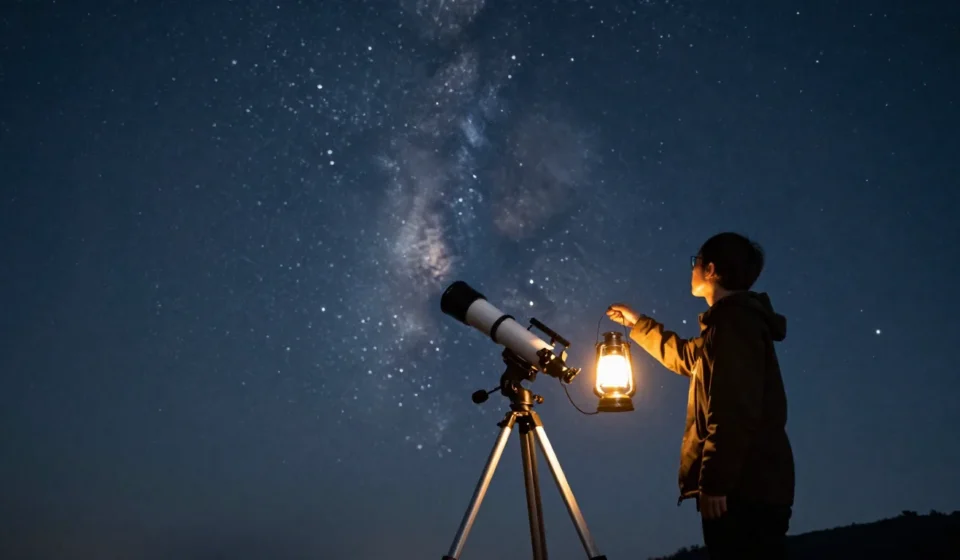

Best Telescopes for Beginners: Our Top Picks
If you've ever looked up at the night sky and wished you could see more, you're not alone. The best telescopes for beginners in 2026 combine ease of use, great optics, and affordability.
We've tested and compared seven models that will make your first stargazing experience unforgettable.
Whether you want to explore the Moon’s craters or spot Saturn’s rings, these telescopes deliver. Our picks range from under $100 to around $500, so there’s something for every budget.
Choosing Your First Telescope
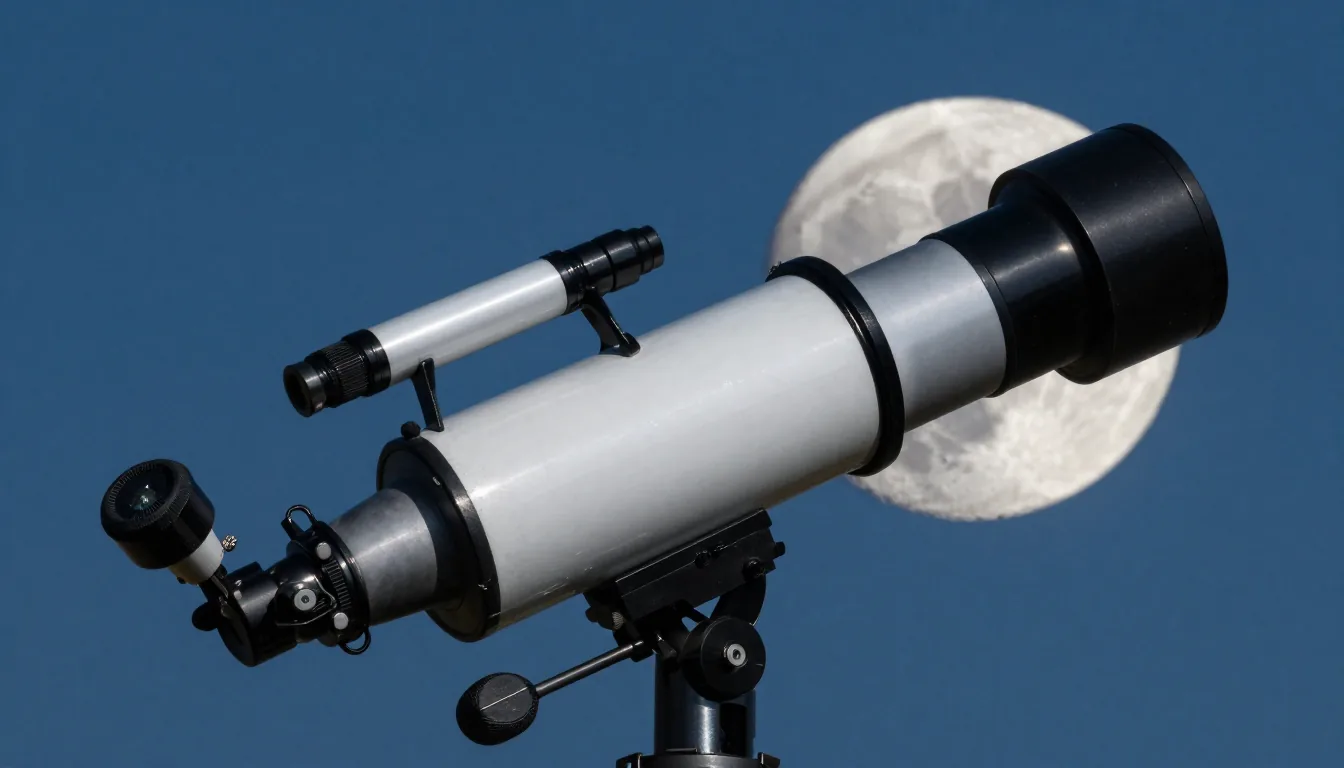
Before buying, understand what makes a telescope beginner-friendly. Look for a stable mount, easy setup, and intuitive controls.
Dobsonian mounts are often recommended for their simplicity and stability.
Aperture size is crucial—the larger the aperture, the more light it gathers, revealing fainter objects. For beginners, a 70mm to 130mm aperture is ideal.
Many entry-level models also include smartphone adapters for astrophotography.
Key Features to Look For
Consider the type: refractors (easy to maintain), reflectors (great value), or compound (versatile). A focal length of 400-900mm offers good magnification without being unwieldy.
Weight matters too—you'll want something portable for trips away from light pollution. Check for included accessories like eyepieces and finderscopes.
Some telescopes come with astronomy software to help you navigate the sky.
Essential Accessories for Beginners
A sturdy tripod is a must for clear views. Many budget telescopes include shaky mounts, so consider upgrading if possible.
A red dot finder makes aiming much easier than a traditional optical finder.
Additionally, a moon filter reduces glare when observing the bright lunar surface. And a star chart or planetarium app like Stellarium plots the night sky for you.
These accessories enhance your experience without breaking the bank.
Best Budget-Friendly Options
Our top budget pick is the Celestron AstroMaster 70AZ. Priced under $150, this refractor delivers crisp views of the Moon and Jupiter's moons.
The setup takes just minutes, perfect for impatient beginners.
Another excellent choice is the Orion SkyScanner 100mm TableTop. Its compact design fits on any table, and the parabolic mirror provides bright, sharp images.
At around $120, it's a steal for the quality. Both models represent some of the best telescopes for beginners in their price range.
Mid-Range Models Worth the Investment
If you can spend a bit more, the Sky-Watcher Heritage 130P is a game-changer. This collapsible Dobsonian offers a 130mm aperture and smooth movement.
You'll see detailed views of nebulae and star clusters.
For refractor fans, the Meade Instruments Infinity 102mm has excellent optics and a sturdy tripod. It comes with a red dot finder and three eyepieces, making it beginner-ready out of the box.
Both exemplify the best telescopes for beginners seeking more aperture.
What to Avoid as a Beginner
Steer clear of cheap “department store” telescopes with plastic lenses and shaky mounts. They often frustrate new astronomers with poor image quality.
Similarly, avoid extremely high magnification claims—they're often misleading.
Stick with reputable brands that produce some of the best telescopes for beginners, like Celestron, Orion, Sky-Watcher, and Meade. These companies offer reliable customer support and replacement parts. Join online forums like Cloudy Nights for reviews and advice.
Tips for First-Time Users
Set realistic expectations: even the best telescopes for beginners won’t show you Hubble-quality images. Start with the Moon and bright planets, then move to deep-sky objects.
Learn to collimate your reflector if you choose one. Many beginners overlook this, but it's essential for sharp views.
Also, invest in a good star chart or app like Stellarium.
Finally, be patient. The night sky rewards those who take the time to explore.
With the right telescope and a little practice, you'll soon be amazed at what you can see.
Remember, the best telescopes for beginners are those you’ll actually use. Choose one that fits your lifestyle and curiosity. For more guides, visit our Popular Science & Space section.
External resources: Check Sky & Telescope and Astronomy Magazine for expert reviews.