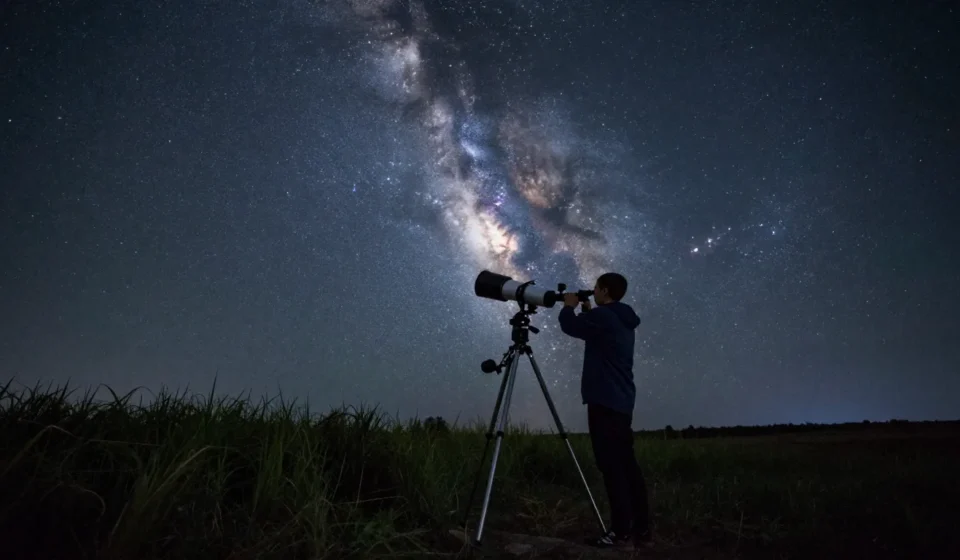

Starting your journey in astronomy is exciting, but many beginners stumble into common pitfalls. These mistakes first-time astronomers make can turn a promising hobby into a frustrating experience.
By knowing what to avoid, you can set yourself up for success and enjoy the night sky from the start.
1. Buying Cheap Telescopes: A Classic Mistake
Many beginners rush to buy an inexpensive telescope from a department store, expecting crisp views of nebulae. These mistakes first-time astronomers make often lead to frustration with wobbly mounts and low-quality optics.
Instead, start with binoculars or a quality Dobsonian reflector.
Investing in good binoculars provides wide, bright views that are easy to use. Consider joining a local astronomy club to test equipment before purchasing.
This approach helps you avoid wasting money on gear that disappoints.
2. Amateur Stargazing Pitfall: Expecting Hubble-Like Views
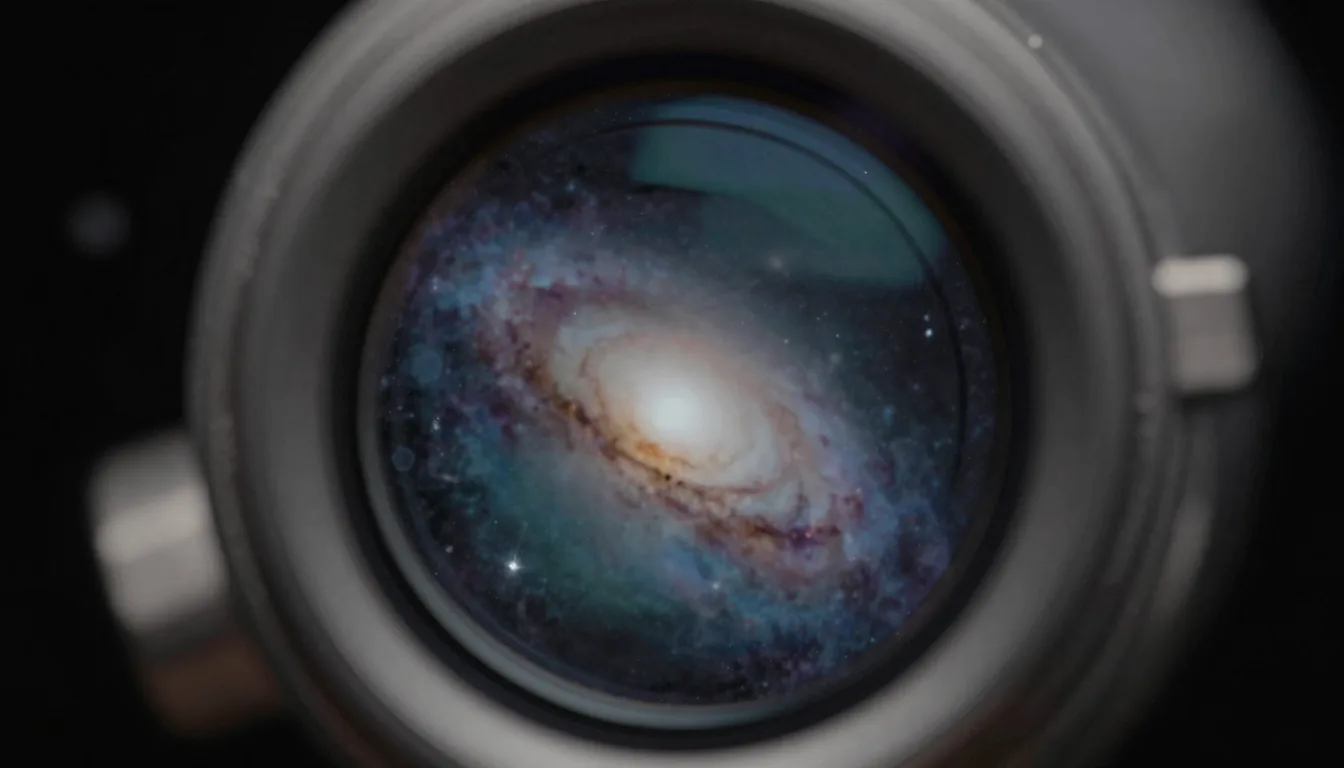
First-timers often imagine colorful, giant images like those from the Hubble Space Telescope. In reality, deep-sky objects appear faint and gray through most amateur scopes.
Understanding this common mistake first-time astronomers make sets you up for realistic enjoyment.
Check out Sky & Telescope’s beginner tips for realistic guidance. A dark sky location drastically improves what you can see, even with modest equipment, so plan your trips accordingly.
3. Rookie Telescope Error: Ignoring Light Pollution
Urban skies wash out faint galaxies and nebulae, making it hard to see much. Beginners often try to observe from their backyard in the city and wonder why they see little.
This is a common mistake first-time astronomers make, thinking city observing is sufficient.
The International Dark-Sky Association offers maps of dark sites. Even a short trip to darker skies can reveal objects you never knew existed.
4. Beginner Observation Blunder: Overlooking Proper Setup and Collimation
Rushing to start observing without collimating a reflector or aligning the finderscope leads to blurry images. Take time to read the manual and practice alignment each session.
Avoiding this oversight is a key step to prevent mistakes first-time astronomers make.
Many local astronomy clubs offer free workshops to help you master these skills. Patience during setup pays off with sharp views.
A well-collimated telescope performs far better than one that is not properly adjusted.
5. Novice Skywatching Mistake: Forgetting to Let Optics Cool Down
Bringing a telescope from a warm house into cold night air causes thermal distortion of the glass. Wait 20–30 minutes for the optics to acclimate to the outdoor temperature.
Forgetting this is one of the most frequent mistakes first-time astronomers make.
This simple step drastically improves image sharpness and detail. Plan your observing session to allow for this cooling period.
While waiting, you can use binoculars to scan the sky or prepare your observing log.
6. Starter Astronomy Misstep: Not Dressing for the Weather
Nighttime temperatures drop quickly, and beginners often underestimate the cold. Wear layers, gloves, and warm boots to stay comfortable for hours.
This simple mistake first-time astronomers make can cut your session short.
Bring hot drinks and a red flashlight to preserve your night vision. Being cold can ruin an otherwise perfect night of stargazing.
Proper clothing lets you focus on the sky, not on shivering.
7. Initial Stargazing Challenge: Giving Up Too Soon
Astronomy requires patience and practice, and many novices get discouraged after a few poor sessions. Keep a log of observations, join a club, and set small goals like finding the Andromeda Galaxy.
Don't let this common mistake first-time astronomers make rob you of a rewarding hobby.
Persistence is key to improving your skills and enjoyment. For more encouragement, visit Astronomy.com for community forums and articles. Remember, even seasoned astronomers had a rough start.
Avoiding these seven errors will make your introduction to astronomy far more rewarding. With the right expectations, gear, and techniques, the cosmos will open up to you in incredible ways.