
Regenerative Agriculture Explained: How Healthy Soil Heals the Planet and How You Can Help

Have you ever wondered how farming can heal the planet? Regenerative agriculture benefits go beyond sustainable practices to actively restore ecosystems. This article explores what sets this approach apart and how you can be part of the solution.
The Core Regenerative Agriculture Benefits
Conventional farming often depletes soil organic matter and releases carbon. Regenerative agriculture benefits both the land and the atmosphere by reversing this damage.
It’s a holistic approach that prioritizes soil health, biodiversity, and water cycles. Instead of just sustaining yields, it aims to improve ecosystems with every season.
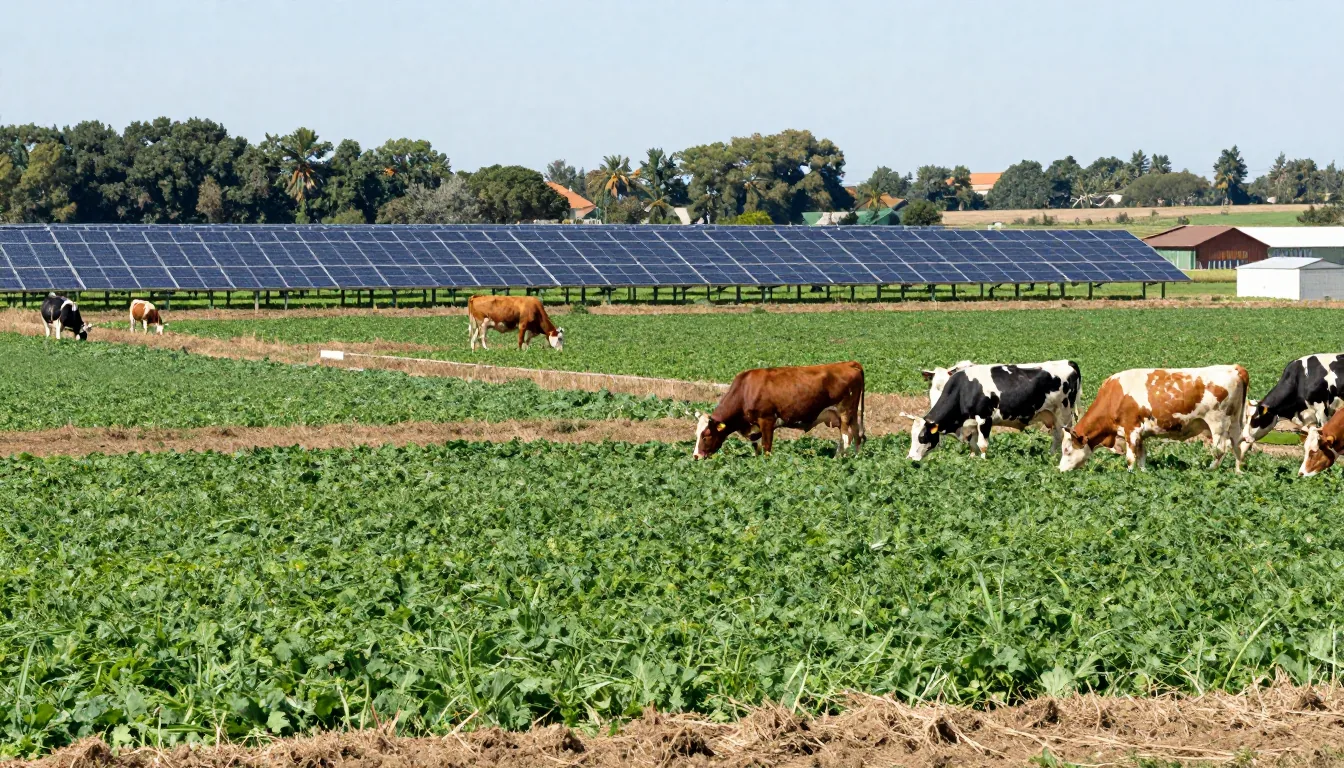
Key practices include no-till farming, cover cropping, crop rotation, and integrating livestock. These methods mimic natural processes to build fertile soil from the ground up.
The result? Farms become carbon sinks rather than carbon sources.
The Climate Connection: Carbon Underground
One of the most powerful regenerative agriculture benefits is its ability to sequester carbon dioxide. Through photosynthesis, plants draw CO₂ from the air and transfer it to roots and soil microbes. When soil is left undisturbed, that carbon stays locked away for decades.
Studies estimate that widespread adoption could offset up to 20% of global emissions. That’s a credible, low-tech solution to climate change — no geoengineering required.
How You Can Support Regenerative Farming Today
You don’t need a farm to advance this movement. Your daily choices as a consumer can drive demand for regeneratively produced food.
Here are practical ways to make a difference.
Choose Regenerative Products at the Store
Look for labels like “Regenerative Organic Certified” or “Soil Carbon Initiative.” These indicate third‑party verification. Even if not certified, ask local growers about their methods.
Many small farms use regenerative techniques without official certification. Buying from farmer’s markets or Community Supported Agriculture (CSA) lets you vote with your wallet. Sustainability & Ecology enthusiasts often share recommendations for local regenerative farms.
Grow a Regenerative Garden at Home
Even a backyard plot can adopt regenerative principles. Start with a simple no‑dig bed: layer cardboard, compost, and mulch.
Plant a diverse mix of vegetables, herbs, and flowers to attract pollinators.
Avoid synthetic pesticides and fertilizers, and use cover crops like clover or buckwheat in off‑seasons to protect and nourish soil. Every square foot of living soil contributes to carbon drawdown; learn more from the Regenerative Agriculture Alliance about home‑scale techniques.
Reduce Food Waste to Maximize Impact
About one‑third of food is wasted globally. When food rots in landfills, it emits methane — a potent greenhouse gas.
By wasting less, you reduce the need for industrial farming that degrades soil.
Compost scraps to return nutrients to the earth. Meal planning and proper storage keep food fresh longer. This simple habit complements the regenerative agriculture benefits you support with your purchases.
Support Research and Education
Understanding the science behind regenerative agriculture benefits empowers you to advocate effectively. Share articles, attend local workshops, and donate to organizations that study soil health. Knowledge spreads the movement faster than any product.
Support Policies That Favor Soil Health
Individual actions matter, but systemic change amplifies regenerative agriculture benefits on a larger scale. Advocate for policies that incentivize regenerative practices: government subsidies for cover cropping, carbon credits for farmers, and research funding for agroecology.
Contact your representatives and ask them to support the NRDC’s regenerative agriculture platform. Even sharing information on social media raises awareness.
Overcoming Common Misconceptions
Some think regenerative agriculture means lower yields. In reality, healthy soil often produces more resilient crops, especially during droughts.
Others fear it’s too expensive — but reduced input costs (synthetic fertilizers, pesticides) can save money long‑term.
The real cost lies in inaction. As topsoil degrades, future harvests become impossible. Regenerative agriculture benefits offer a proven path to abundance.