
Noise Cancellation Drawbacks: The Anatomy of ANC
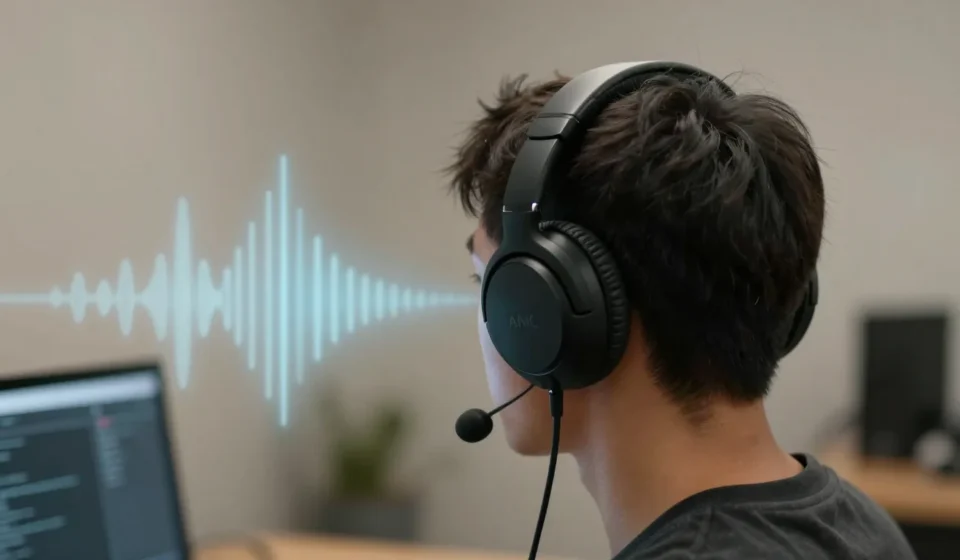
Active noise cancellation (ANC) has become a staple in headphones and earbuds, but noise cancellation drawbacks are rarely discussed in marketing materials. While ANC effectively reduces ambient drone, it introduces its own set of compromises that affect comfort, usability, and long-term hearing health.
Before you invest in your next pair, it’s worth understanding the trade-offs. Here’s what the glossy ads leave out.
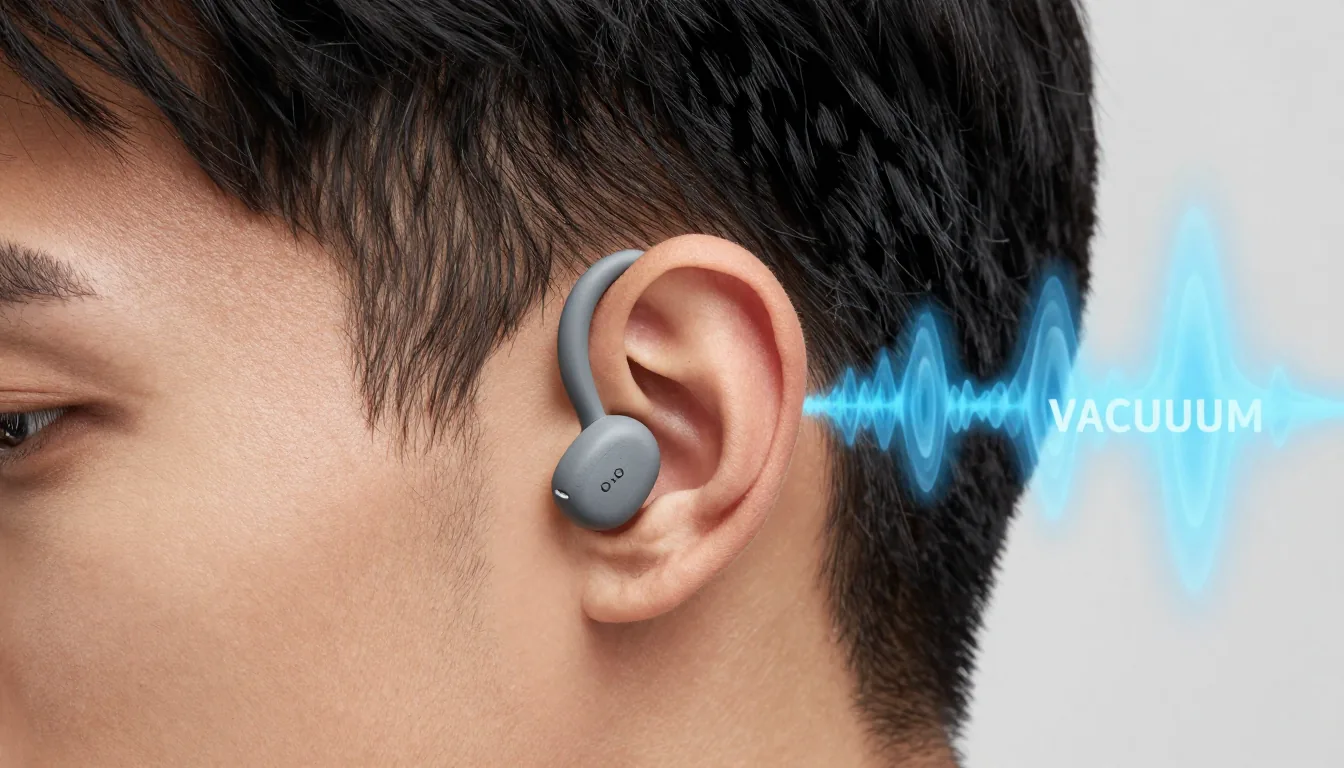
Pressure Sensation: The ‘Ear Vacuum’ Effect
The most immediate complaint among new ANC users is a feeling of pressure in the ears, often described as being in an airplane cabin. This happens because ANC works by generating inverse sound waves that cancel ambient noise, but your eardrum also senses a change in air pressure. This is one of the most common noise cancellation drawbacks reported by users.
Not everyone experiences this, but those with sensitive eustachian tubes may find it uncomfortable. Some manufacturers have addressed this with adjustable ANC levels or transparency modes.
Why Some Models Feel Worse
Over-ear headphones often create a seal that amplifies the pressure sensation. In-ear models with deep insertion can compound the effect.
If you’re prone to ear infections or sinus issues, static pressure from ANC may exacerbate discomfort.
Unfortunately, there’s no universal fix. Trying before buying is the only reliable way to gauge your tolerance.
Battery Dependency: A New Weakness
Unlike passive noise-isolating headphones, ANC headphones rely on batteries to function. When the battery dies, you’re left with a mediocre passive listening experience — often with reduced sound quality due to the internal electronics.
Battery dependency is another critical noise cancellation drawback.
Most ANC headphones offer 20–40 hours of use, but forget to charge and you’re stuck. Battery degradation over time also reduces real-world endurance, meaning a two-year-old pair may need daily charging.
No Battery, No Quiet
Some entry-level ANC headphones actually increase ambient noise when powered off because the microphones become passive ports. This is a hidden downside that catches many users off guard during travel emergencies.
Always check whether your model can operate passively — and how it sounds without power.
Hearing Health: The Illusion of Safety
Because ANC reduces external noise, you may be tempted to listen at lower volumes. That’s good.
But there’s a flip side: ANC also masks important environmental sounds, like approaching vehicles or fire alarms, creating a safety risk. Hearing safety concerns also rank among noise cancellation drawbacks.
Moreover, the constant low-frequency cancellation may cause listening fatigue. Some users report a feeling of “auditory deprivation” after long sessions, as the brain struggles to adapt to the absence of normal background hiss.
Could ANC Damage Your Ears?
There’s no evidence that ANC technology itself damages hearing. However, the occlusion effect — where your own voice sounds boomy — can encourage users to raise their voice or increase volume to compensate.
Over time, this might strain your hearing.
Use transparency modes when you need situational awareness, and take breaks every hour. Your ears will thank you.
Audio Quality Compromises
Many users assume ANC has no impact on sound quality, but that’s not true. The active cancellation circuitry can subtly alter the frequency response, often adding a slight hiss or modifying bass characteristics.
These noise cancellation drawbacks are often overlooked by audiophiles.
High-end models minimize this, but budget ANC headphones may exhibit noticeable artifacts. Independent tests show that ANC can introduce distortion that passive headphones avoid.
Another overlooked downside is price: good ANC technology adds $50-$100 to the cost compared to similar passive models. You’re paying for the electronics, not necessarily better sound.
Isolation and Spatial Awareness Trade-Offs
ANC creates an artificial quiet that disconnects you from your environment. While great for focus, it can be dangerous in public spaces.
Cyclists, joggers, and commuters should be particularly cautious.
Some premium models now offer adaptive ANC that adjusts to your surroundings, but even the best can’t replace situational judgment.
Read reviews that discuss real-world performance, not just spec sheets.
Ultimately, noise cancellation drawbacks don’t make ANC a bad technology — but they demand informed usage. Choose wisely, and use your ears responsibly.
For more balanced takes on Tech & Gadgets, explore our other articles.