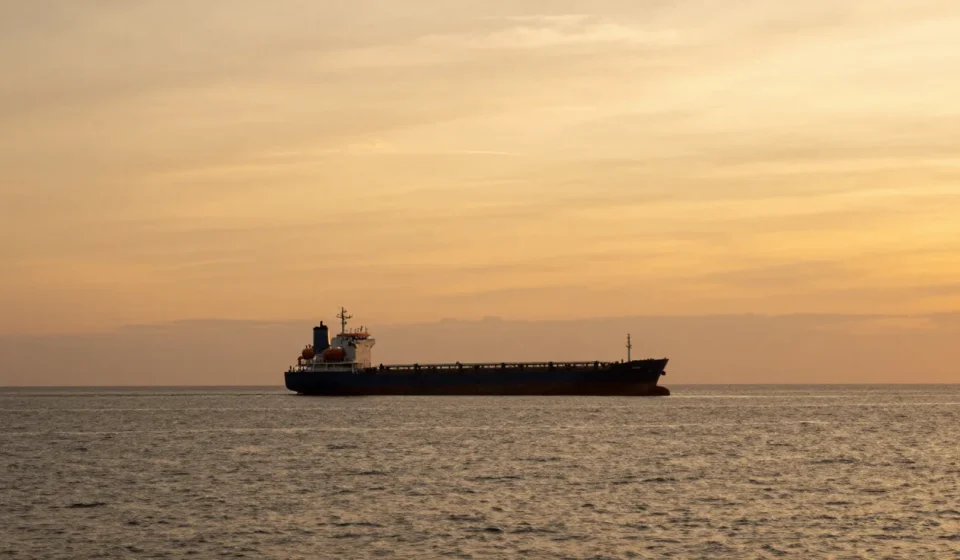

In an age of constant connectivity and crowded tourist hubs, cargo ship solitude offers a rare antidote—a chance to disconnect completely while crossing vast oceans on working vessels. Unlike the floating resorts of cruises, these ships prioritize function over entertainment, leaving you with nothing but the sea and your thoughts.
Cargo Ship Solitude vs. Cruise Chaos
Imagine swapping a deck crowded with pool parties for one where the only sound is the wind and the rhythmic hum of the engine. Cargo ships carry a fraction of the passengers—often fewer than twenty—and no scheduled activities.
You are not a guest; you are an observer of a working world.
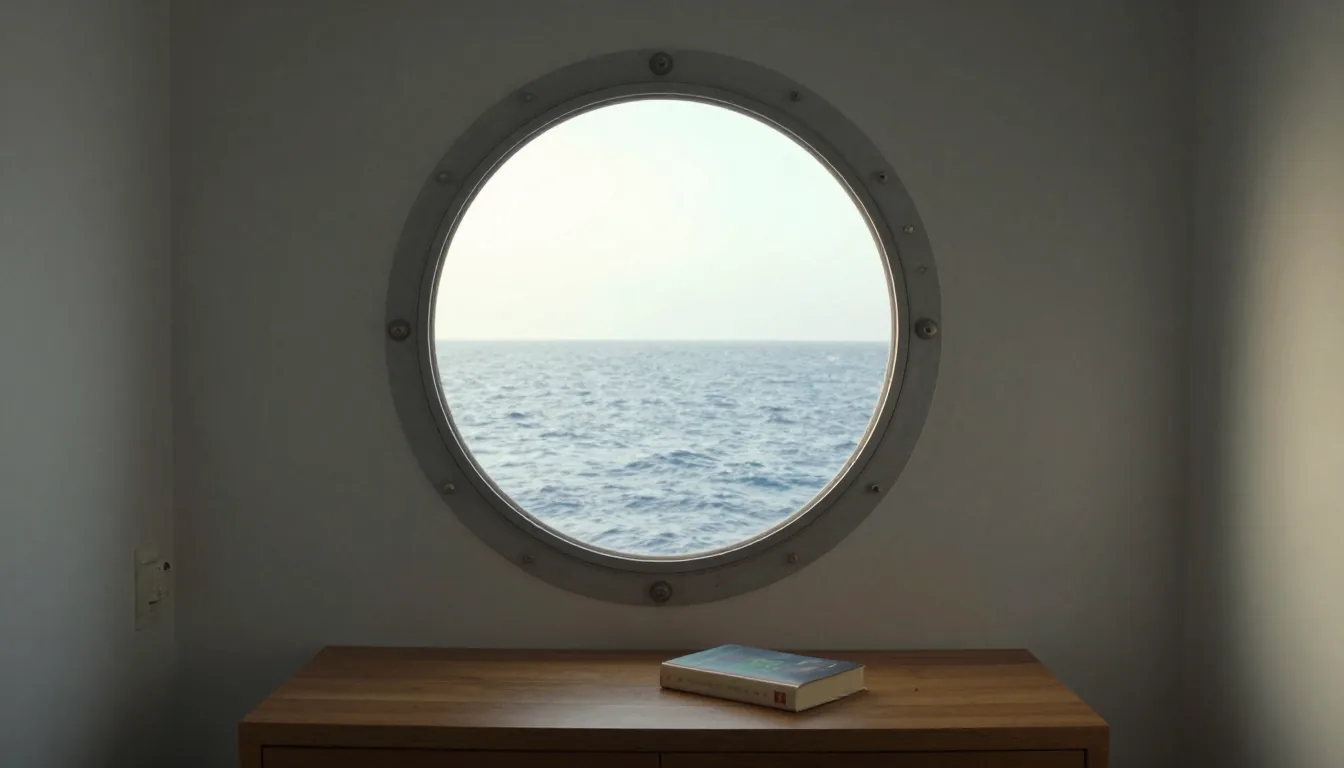
The contrast is stark: cruises are designed to distract, while cargo ships invite introspection. There are no shows, no buffets, no ports every morning.
Instead, days blend into a meditative cycle of meals, reading, and watching the horizon.
Without constant entertainment, you discover a deeper appreciation for the present moment. Conversations with crew members become meaningful, and the simple act of watching the waves becomes a meditation in itself.
The Rhythm of the Waves
Seasickness aside, there is a hypnotic quality to life aboard a freighter. The ship's gentle roll becomes a lullaby.
At night, the stars emerge unobscured by city lights. The ocean stretches endlessly, a living canvas of blues and grays that shifts with the weather.
Dolphins often play alongside the hull, and flying fish streak across the surface. The sounds of the ship—the deep hum of the engine, the creak of metal—become a familiar soundtrack. This sensory immersion is a core aspect of cargo ship solitude, grounding you in the present.
Conversations with the crew are glimpses into a world most never see—their stories of distant ports and long separations from family add depth to the journey. This is not vacation; it is a lifestyle.
Off-Grid Living at Sea
Perhaps the greatest gift of cargo ship solitude is the forced digital detox. Internet is often unavailable or prohibitively expensive.
Without constant notifications, the mind slows.
You read entire books, write in journals, or simply stare at the sea for hours. This disconnection reconnects you with yourself.
The quiet hours stretch endlessly, offering a rare luxury of uninterrupted thought.
The silence can be unsettling at first, but it soon becomes addictive. You learn to enjoy your own company and find peace in the absence of external stimuli.
The Unhurried Journey
Routes are dictated by cargo schedules, not tourism. A crossing from Europe to South America might take eighteen days.
There is no rushing. Each day feels like a gift of time, a rare commodity in modern travel.
The slow pace allows you to notice details: the way light changes on the water, the appearance of flying fish, the distant silhouette of another ship. These small moments become treasures that you carry long after you return to land.
Practicalities for the Would-Be Passenger
Booking a passage on a cargo ship requires planning. Companies like Freighter Travel or agencies such as The Cruise People can arrange berths.
Cabins are simple but comfortable, often with private bathrooms.
Meals are taken with the officers, and you eat what the crew eats—hearty, simple fare. It is not for everyone.
There are no doctors on board, and emergency evacuations are rare.
You must be self-sufficient and adaptable. But for those seeking true escape, it is unmatched. The experience of cargo ship solitude stays with you, reshaping how you view travel and connection.
For more ways to escape the crowds, explore our Travel & Exploration category. To learn about booking, visit trusted resources like Freighter Travel or read firsthand accounts on The Cruise People.