
The Forest Awakens
A Kumano Kodo temple stay on the Kohechi route changed my perspective on pilgrimage. The first step onto the Nakahechi route is a step into silence, but I chose a quieter thread: the Kohechi, a steep mountain path.
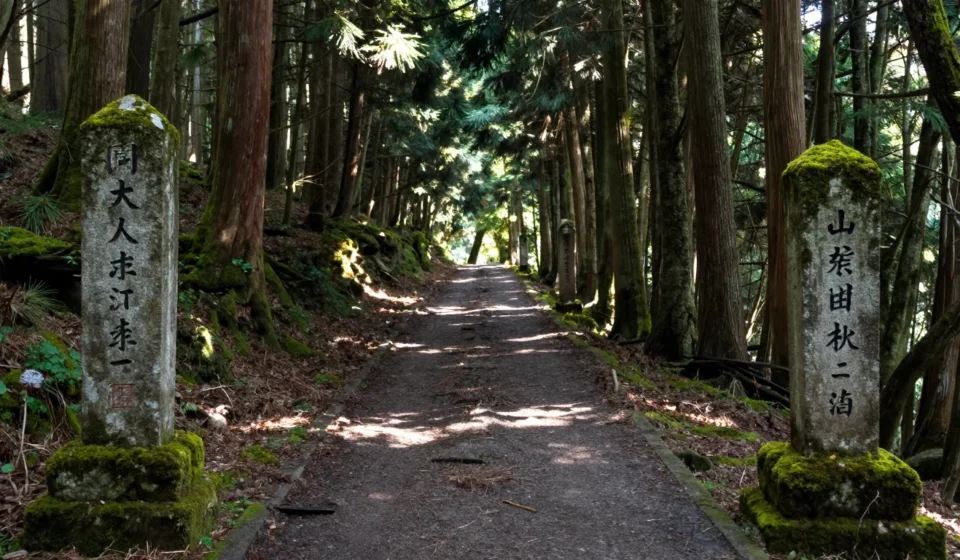
Here, the forest breathes a scent of damp cedar and ancient moss. Each inhale carries the fragrance of hiba, a cypress tree whose oil perfumes the air.
The trail is a tunnel of green, lit by dappled sunlight. I walk alone for hours, the only sounds my own footsteps and the distant call of a copper pheasant.
The path is worn smooth by centuries of pilgrims.
The Kohechi route is the most challenging of the Kumano Kodo, but also the most rewarding. It was once used by ascetic monks seeking enlightenment in the mountains.
Walking it feels like stepping into a living history.
Shukubo Temple Lodging
At dusk, I arrive at a shukubo, a temple lodging in the small village of Totsukawa. The priest, a man with weathered hands and calm eyes, welcomes me with a bow.
He leads me to a tatami room, the scent of incense clinging to the sliding doors, and tells me the temple has hosted pilgrims for over 300 years.
The evening meal is shojin ryori, Buddhist vegetarian cuisine. Each dish is a meditation: sesame tofu, mountain vegetables, miso soup with wild mushrooms.
The flavors are subtle, earthy, like the forest itself. I savor every bite, feeling the energy of the mountain.
After dinner, I explore the temple garden, a miniature landscape of moss and stone. A small stream trickles over rocks, carrying the sound of water through the quiet.
The garden is designed to mirror the sacred mountains outside.
I sit on a stone bench and listen to the water. The moss is soft and green.
Time seems to slow down.
This temple garden is a microcosm of the Kumano Kodo temple stay experience.
The Kumano Kodo Temple Stay Experience
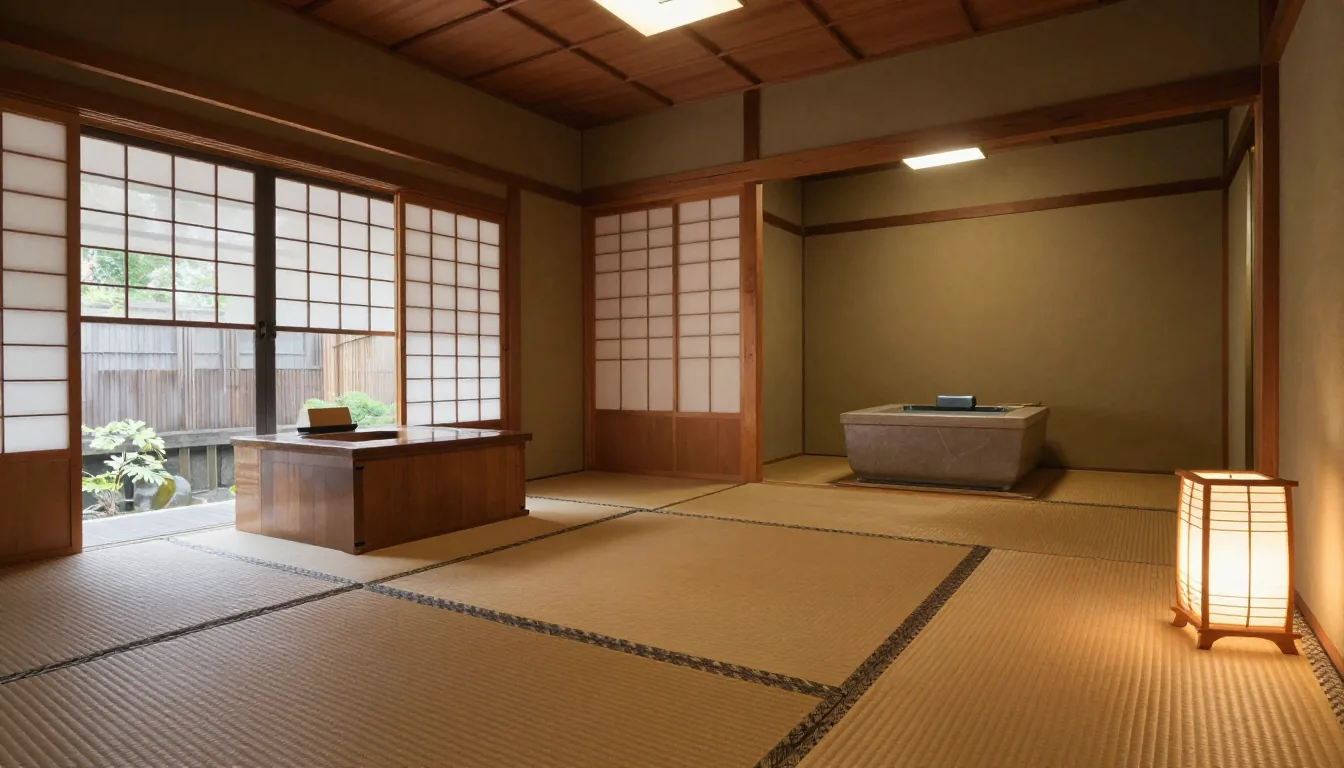
Before sleep, I join the monks in the main hall. The sound of the sutra chanting resonates through the wooden pillars.
The air is cool and still, carrying the faint scent of burning incense and old books.
This moment crystallizes the essence of a Kumano Kodo temple stay: quietude and connection.
Afterward, I soak in the ofuro, a cedar bath. The hot water envelops me, releasing the tension of the day.
The wood grain swirls like a topographic map of the mountains I crossed.
The bath is a ritual, cleansing both body and spirit.
From the terrace, the valley unfolds in layers of green. I can see smoke rising from a distant farmhouse.
The mountains seem to breathe with the mist.
Nighttime Reverence
Later, I step outside to see the stars. The sky is unpolluted by light, a blanket of diamond dust.
The silence is profound, broken only by the rustle of a night bird.
I feel small and yet part of something vast.
I return to my futon, the tatami still warm from the day. Sleep comes easily, cradled by the mountain's embrace.
A gentle breeze carries the scent of cedar through the window.
The stillness of the night is the true gift of a Kumano Kodo temple stay.
Dawn Over the Valley
I wake before sunrise to the sound of a bell. A monk leads a small group to a clearing where the mist hangs like a silver veil over the valley.
The mountains rise in layered blues, each peak a temple to the kami.
We perform a simple purification ritual at a nearby waterfall. It is a powerful experience, a highlight of any Kumano Kodo temple stay.
The water is cold, but it wakes every nerve.
The ritual cleanses not just the body, but the spirit.
The morning air is crisp, carrying the scent of wet stone and pine. We chant a short sutra as the sun crests the ridge.
The light paints the forest in gold and green.
This is a moment of pure presence.
After breakfast, I take one last look at the temple, its roof blending into the forest. I pack my belongings and thank the priest.
A Kumano Kodo temple stay is more than accommodation; it is an immersion into the sacred rhythm of the mountains. I leave with a pack full of onigiri and gratitude.
The trail ahead is steep, but my steps are lighter.
This is the true pilgrimage: not just walking, but becoming still enough to hear the forest whisper. For more journeys into hidden paths, explore our Travel & Exploration archives.
For official trail information, visit Kumano Travel and Japan Travel. The Kumano Kodo is a UNESCO World Heritage site, but its greatest treasures are the quiet moments between temples.