
Capsule Wardrobe Sustainable Fashion: What It Is and Why It Matters
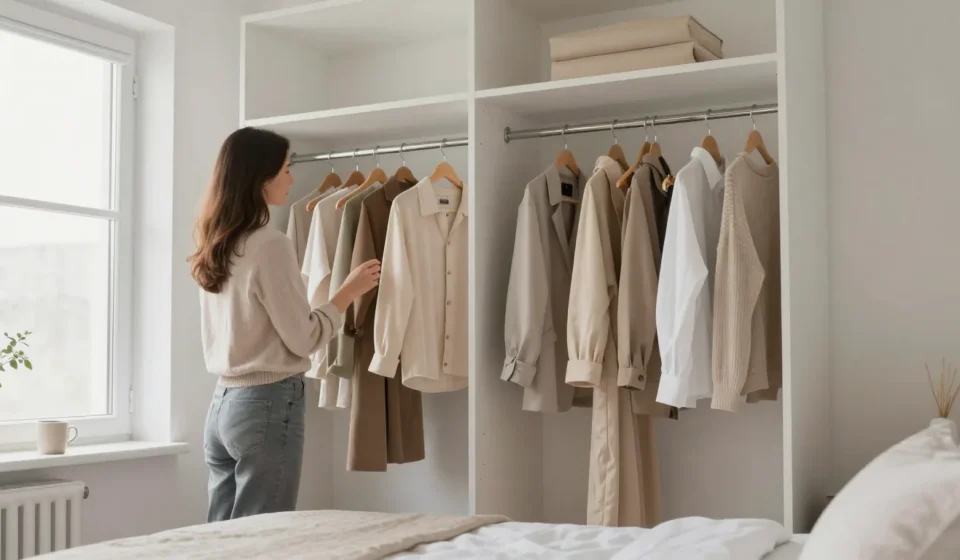
A capsule wardrobe is a curated collection of timeless, versatile pieces that you love to wear. Adopting a capsule wardrobe sustainable fashion mindset reduces consumption and waste. It’s a practical step toward a lower carbon footprint.
By owning fewer but higher-quality items, you minimize the environmental toll of fast fashion. This approach also saves time and money, making it a win-win for your closet and the planet.
Embracing this philosophy helps you become more mindful with each purchase.
7 Steps to Build Your Sustainable Capsule
1. Audit Your Current Closet
Start by taking everything out and sorting into keep, donate, and recycle piles. Be honest about what you actually wear.
This decluttering process is the foundation of a minimalist wardrobe.
Donate gently used items to local charities or sell them on resale platforms. Recycling worn-out textiles prevents them from ending up in landfills.
A thorough audit reveals gaps and duplicates, making future shopping intentional.
2. Choose a Cohesive Color Palette
Stick to 5-10 core colors that mix and match effortlessly. Neutrals like black, white, beige, and navy work well.
Add a few accent colors for personality.
A limited palette ensures every piece can be worn multiple ways, reducing the urge to buy more. This color coordination is the backbone of a capsule wardrobe sustainable fashion approach. A monochrome or complementary scheme simplifies outfit creation.
3. Invest in Quality Over Quantity
Look for durable fabrics like organic cotton, linen, Tencel, or recycled polyester. Check stitching and seam finishes.
A well-made garment lasts years, not months.
Brands like Patagonia and Eileen Fisher offer sustainable options. Read more about sustainable fabrics on Good On You. Investing in fewer, better pieces aligns perfectly with the capsule wardrobe sustainable fashion ethos.
4. Prioritize Versatile Silhouettes
Each piece should work for at least three outfits. A classic blazer, tailored trousers, and a simple dress are staples.
Avoid trendy cuts that date quickly.
Versatility reduces the number of items you need, keeping your capsule lean and functional. Opt for timeless shapes that transcend seasons and occasions.
5. Embrace Secondhand and Vintage
Thrift stores and online resale sites like thredUP and Depop are goldmines for unique, sustainable finds. Buying secondhand extends the life of clothing and reduces demand for new production.
Always check for quality and fit before purchasing. This habit aligns perfectly with capsule wardrobe principles. Discover more tips on secondhand shopping at Vogue’s sustainable fashion guide.
6. Care for Your Clothes Properly
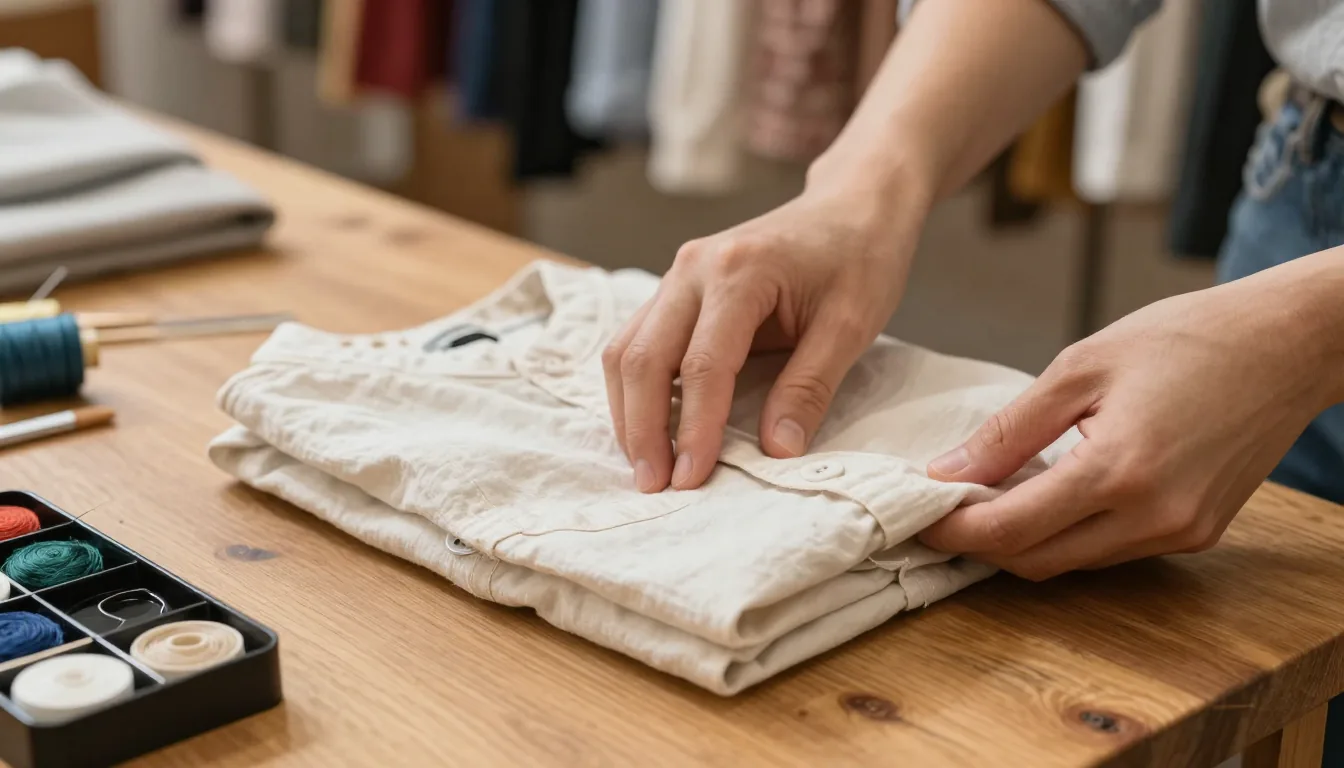
Wash less frequently, use cold water, and air dry when possible. Caring for your clothes extends their life, a key principle of capsule wardrobe sustainable fashion. Learn basic mending skills to fix small tears or loose buttons.
Dry cleaning is harsh on fabrics; opt for gentle hand washing instead. This reduces your clothing’s environmental impact.
Simple habits like using a garment bag also help.
7. Rotate Seasonally
Store off-season items to keep your capsule focused. A 30-40 piece wardrobe per season works well. Seasonal rotation keeps your capsule wardrobe sustainable fashion fresh and prevents overconsumption.
When you reintroduce pieces, you rediscover them, reducing the urge to buy new. Explore more tips at Sustainability & Ecology. A seasonal switch also lets you appreciate your collection fully.
Final Thoughts on Building a Sustainable Capsule
A capsule wardrobe is a journey, not a destination. Start small, be intentional, and celebrate each purchase as a step toward a greener lifestyle.
The environmental benefits are immense: less waste, lower carbon emissions, and a cleaner conscience.
For more on sustainable fashion, check out resources like Elle’s sustainable fashion guide. Your closet can be both stylish and sustainable—start today. Remember that each small change contributes to a larger impact on fashion consumption.