
What Is Sustainable Investing and Why It Matters
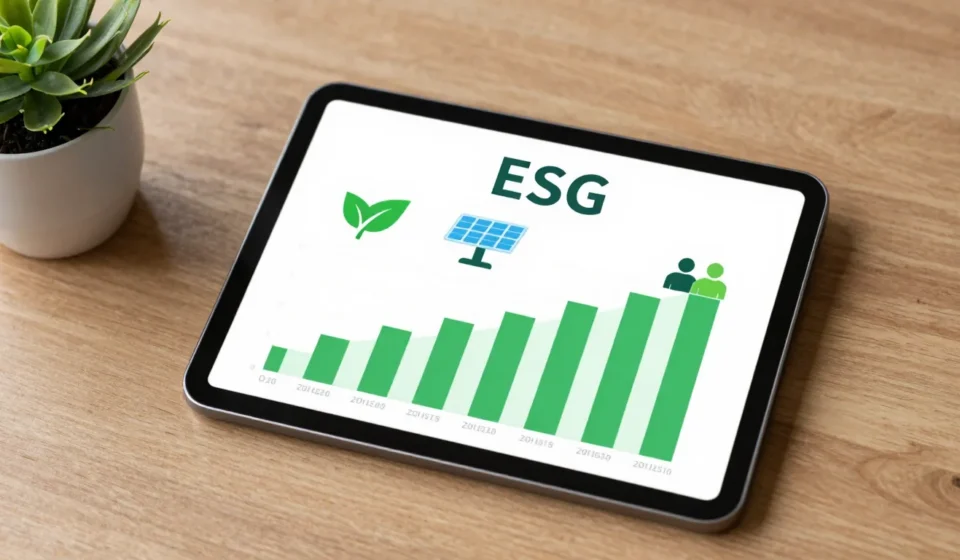
If you want your portfolio to reflect your values, a sustainable investing guide is your starting point. This approach integrates environmental, social, and governance (ESG) criteria into investment decisions, aiming for both financial returns and positive impact. Unlike traditional investing, it actively avoids companies harming the planet or society.
Millions of investors now demand that their money supports renewable energy, fair labor, and ethical governance. By aligning your capital with your principles, you can contribute to a greener economy while potentially reducing long-term risk.
Sustainable assets have grown rapidly, proving you don't have to sacrifice performance for purpose.
This shift in mindset is key for long-term success in ethical portfolios. This movement is not just a trend; it’s a fundamental change in how we think about wealth and responsibility.
How a Sustainable Investing Guide Helps Evaluate ESG Criteria
ESG stands for Environmental, Social, and Governance—three pillars used to screen investments. Environmental factors include carbon emissions, water usage, and waste management.
Social criteria assess labor practices, human rights, and community relations. Governance examines board diversity, executive pay, and shareholder rights.
Green funds specifically target environmental solutions, such as clean energy, sustainable agriculture, or green real estate. These funds often exclude fossil fuels, tobacco, or weapons.
To choose wisely, check the fund's prospectus and third-party ratings like MSCI ESG or Morningstar Sustainability.

Using This Guide to Evaluate ESG Funds for Genuine Impact
Scrutinize holdings and avoid greenwashing. Look for funds that engage with companies to improve practices, not just exclude bad actors.
Consider impact funds that invest in specific UN Sustainable Development Goals (SDGs).
For instance, the Parnassus Core Equity Fund or iShares ESG MSCI USA Leaders ETF offer diversified exposure. Also examine expense ratios—higher fees can eat into returns.
Many ESG index funds provide low-cost options.
According to recent data, ESG funds have often performed on par with or better than conventional peers. This debunks the myth of a “green penalty.” Your sustainable investing guide should always emphasize checking performance and impact metrics.
Building a Responsible Portfolio Step by Step
Start by defining your values. What issues matter most: climate change, gender equality, or clean water?
Use those priorities to filter investments. Next, allocate across asset classes—stocks, bonds, real estate—using ESG versions of each.
For bonds, choose green bonds that fund renewable projects. For stocks, select companies with strong ESG scores.
You can also use sector-specific ETFs focused on clean energy or sustainable agriculture.
Rebalance annually to maintain your target allocation. Use tools like Sustainability & Ecology resources to stay informed.
Remember, diversification reduces risk even within sustainable assets. Consider international ESG funds to capture global opportunities.
Where to Start: Recommended Platforms and Funds
Online brokers like Fidelity and Charles Schwab offer screeners for ESG ratings. Robo-advisors such as Betterment and Wealthfront have sustainable portfolios. For specific fund picks, check Morningstar’s Sustainable Investing section or US SIF’s basics page.
Start small—perhaps 10% of your portfolio—and increase as you gain confidence. Monitor performance against conventional benchmarks, but also measure impact: carbon emissions avoided, water saved, or gender diversity improved.
This holistic view aligns with your sustainable investing guide's principles.
Common Pitfalls to Avoid in Sustainable Investing
Beware of greenwashing: companies that market themselves as green but still rely on fossil fuels. Check if a fund excludes or includes based on revenue thresholds.
This sustainable investing guide also cautions against ignoring fees—some ESG funds charge higher management fees.
Don’t chase performance; sustainable investing is for the long haul. Avoid over-concentration in a single sector like tech or clean energy.
Balance with green bonds and real assets. With diligence, your money can grow responsibly while helping build a better world.
Stay informed by following updates from reliable sources like the UN Principles for Responsible Investment.