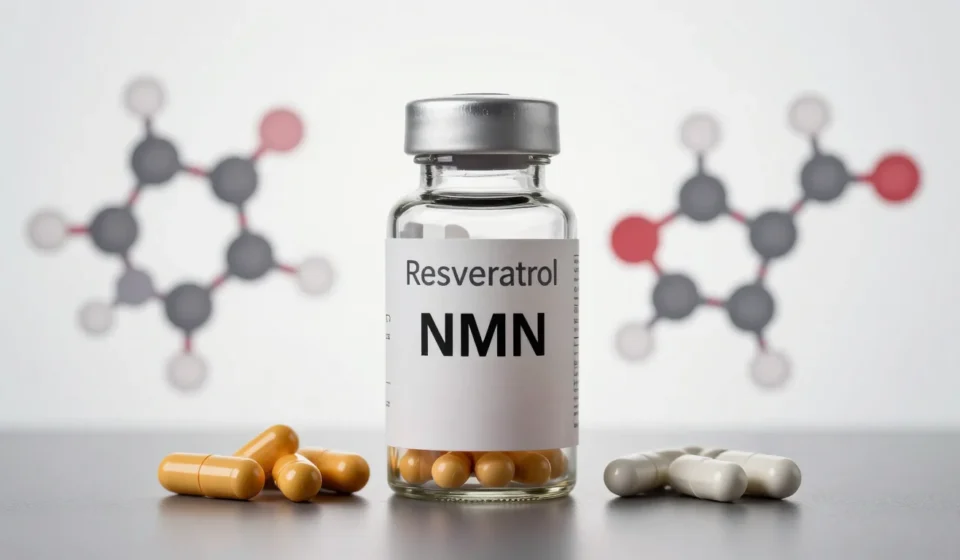

Resveratrol vs NMN: Understanding the Two Supplements
When comparing resveratrol vs NMN, both have gained popularity as anti-aging supplements, but they work through distinct pathways. Resveratrol is a polyphenol found in red wine and grapes, while NMN (nicotinamide mononucleotide) is a direct precursor to NAD+, a crucial coenzyme for cellular energy.
Understanding their differences helps you choose the right fit for your health goals.
Resveratrol is known for activating sirtuins, proteins linked to longevity, whereas NMN boosts NAD+ levels, which decline with age. This fundamental distinction shapes their benefits and ideal use cases.
Let's explore the science behind each.
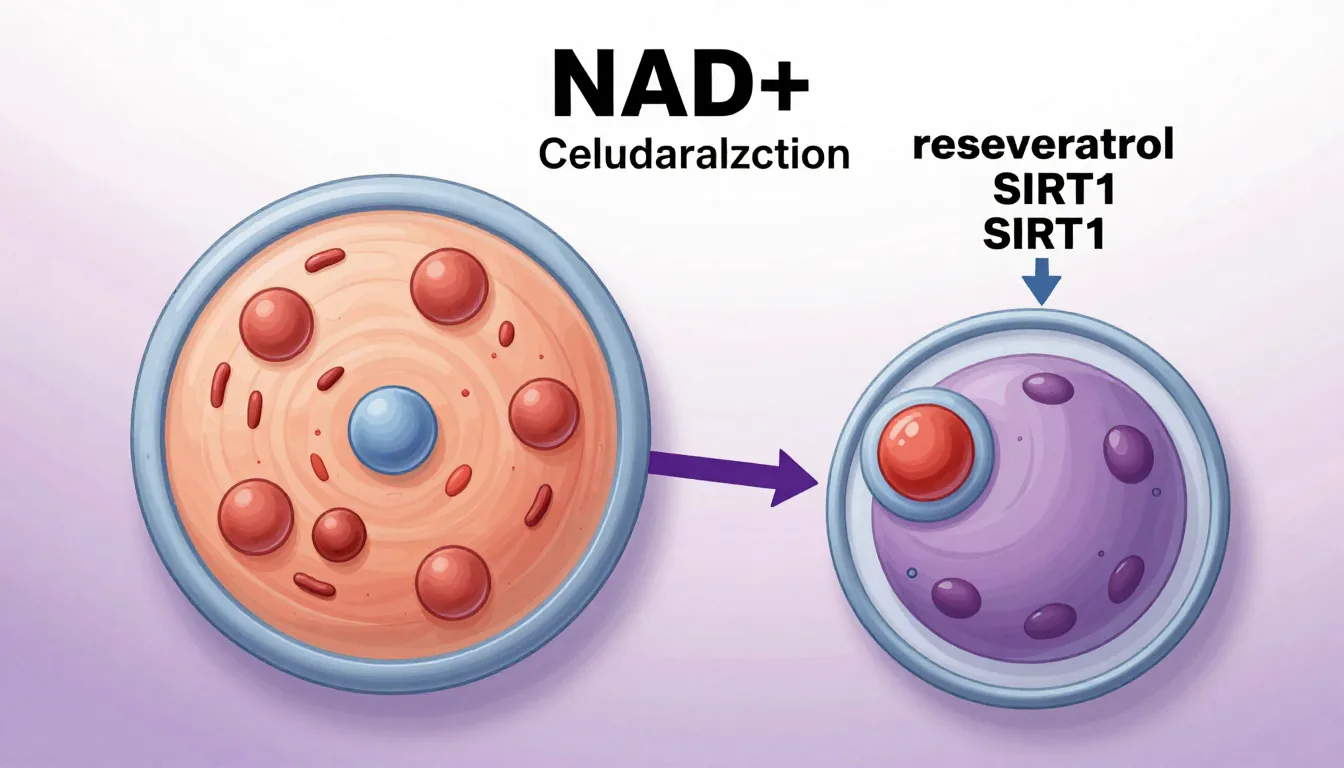
Mechanism of action: How they work
Resveratrol: Sirtuin activator
Resveratrol mimics caloric restriction by activating sirtuin 1 (SIRT1), a protein that regulates cellular stress resistance and metabolism. It also exhibits antioxidant and anti-inflammatory properties, which may protect against age-related diseases.
However, resveratrol's bioavailability is low, meaning most is quickly metabolized. Research often uses high doses to see effects, raising questions about practical benefits.
Thus, resveratrol vs NMN represent two different approaches to longevity.
NMN: NAD+ booster
NMN is converted directly into NAD+ in cells, replenishing a coenzyme essential for DNA repair, energy production, and mitochondrial function. NAD+ levels decline by up to 50% between ages 40 and 60, so NMN supplementation aims to restore youthful levels.
Human studies show NMN can improve insulin sensitivity, muscle function, and aerobic capacity. Its bioavailability is better than resveratrol, but both require consistent intake for sustained benefits.
Clinical evidence and efficacy
Human trials on resveratrol have mixed results; some show improved blood flow and reduced inflammation, but others find minimal impact on lifespan. A 2019 meta-analysis reported modest benefits for metabolic health.
NMN research is more promising for direct NAD+ elevation. A 2021 study found NMN improved walking speed and muscle strength in older adults.
However, long-term human data on lifespan extension remain limited.
In the debate of resveratrol vs NMN, NMN’s direct mechanism may offer faster results for cellular energy. Both supplements show potential, but NMN may offer more immediate effects on energy and cellular repair. For deeper insights, refer to this resveratrol review and this NMN trial.
Safety profile and side effects
Resveratrol is generally safe at doses up to 5 grams daily, but may cause digestive issues in high amounts. It can interact with blood thinners and blood pressure medications, so consult a doctor before use.
NMN appears safe in human studies, with no serious adverse events reported at doses up to 1,000 mg per day. Mild side effects include nausea or headache.
Neither supplement is FDA-approved, so quality varies by brand.
Both resveratrol vs NMN have good safety profiles, but individual tolerance varies. Always choose third-party tested products and start with lower doses to assess tolerance. For more on safety, check this safety review.
Which one is right for you?
- Choose resveratrol if you want antioxidant support, cardiovascular benefits, or sirtuin activation without needing a direct NAD+ boost.
- Choose NMN if you aim to increase cellular energy, improve mitochondrial function, or directly combat age-related NAD+ decline.
- Consider combining both: some research suggests NMN and resveratrol can work synergistically, as resveratrol activates sirtuins that depend on NAD+.
Ultimately, the choice between resveratrol vs NMN depends on your specific goals and budget. Resveratrol is more affordable, while NMN is more expensive but may offer targeted NAD+ support.
Both are valid tools in a longevity-focused lifestyle.
Consider consulting a healthcare professional to tailor the choice to your health status and goals. Remember, supplements are not magic; they work best alongside a balanced diet, exercise, and good sleep. For more health insights, explore our Health & Wellness section.