
The Multi-Functional Powerhouse in Skincare
Welcome to the essential Beauty & Skincare niacinamide layering guide. This powerhouse ingredient, also known as vitamin B3, boosts ceramide production, regulates oil, and calms inflammation. For optimal results, understanding the science behind layering is key.
Unlike some active ingredients, niacinamide is remarkably stable and well-tolerated. It performs best when applied after water-based serums but before heavier creams.
This placement ensures deep penetration without interference from occlusives.
The Essential Niacinamide Layering Guide for Beginners
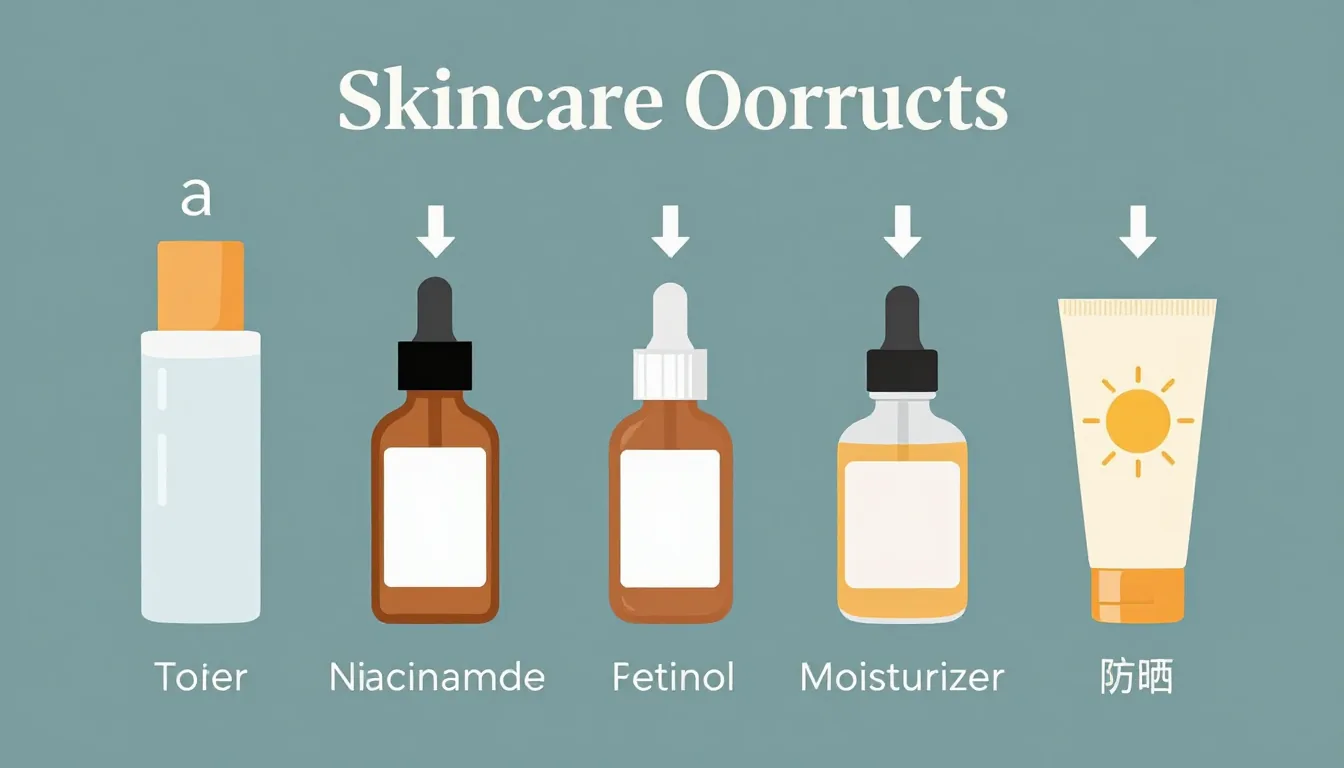
This niacinamide layering guide focuses on correct product order and timing: start with a clean face, apply water-based products, then niacinamide serum with 30 seconds absorption time, and finish with moisturizer and sunscreen.
Consistency is crucial: use niacinamide daily for pore refinement and barrier support. Many users see improved texture within four weeks. Remember, a proper niacinamide layering guide prevents irritation and enhances results, so start with a lower concentration if you have sensitive skin.
Pairing Niacinamide with Vitamin C: Myths vs. Facts
Contrary to popular belief, niacinamide and vitamin C can be used together safely. The old myth about forming nicotinic acid has been debunked; modern pH formulations prevent this reaction.
To layer, apply vitamin C first on dry skin, wait 30 seconds, then follow with niacinamide.
This combination brightens skin tone and enhances antioxidant protection. A 2016 study found that combining 5% niacinamide with 10% L-ascorbic acid improved photodamage more than either alone. Read the study for details.
How to Layer Niacinamide with Retinol
Retinol and niacinamide are a dream duo for anti-aging. Niacinamide prepares the skin by strengthening the barrier, reducing retinol irritation.
Apply niacinamide first, wait for full absorption (about 1 minute), then layer retinol.
This order minimizes redness and peeling, especially during retinization. For sensitive skin, alternate nights: use niacinamide every morning and retinol every other evening. Research supports their synergistic effects on collagen synthesis, and starting with a low retinol strength can further reduce potential irritation.
Avoiding Side Effects with Proper Layering
While niacinamide is gentle, high concentrations (10%+) can cause flushing or stinging in some individuals. Start with 2–5% formulations and layer with hydrating ingredients like glycerin or hyaluronic acid.
Avoid combining with pure acids (pH < 3.5) in the same step; instead, use niacinamide after exfoliating acids have dried.
Over-layering can lead to product pilling. To prevent this, use thin layers, wait 30–60 seconds between steps, and avoid mixing silicone-heavy bases with water-based niacinamide serums.
Patch test new combinations on your jawline first.
Common Layering Mistakes to Avoid
One common mistake is applying niacinamide with very low pH products like pure L-ascorbic acid in the same layer. Instead, use vitamin C first and then niacinamide after a brief wait.
Another mistake is using too many actives in one routine; simplify to prevent over-exfoliation and barrier damage.
Always introduce new products one at a time to monitor your skin’s reaction. If irritation occurs, reduce frequency or switch to a lower concentration. A well-planned niacinamide layering guide can help you avoid these pitfalls and achieve glowing skin.
Optimal Routine Example for Combination Skin
Morning: Cleanse → Vitamin C serum → Niacinamide moisturizer → Sunscreen. Evening: Double cleanse → Niacinamide serum → Peptide cream → Retinol (2–3x/week).
This sequence leverages niacinamide's barrier support without overwhelming the skin.
For oily or acne-prone skin, swap the moisturizer for a niacinamide gel. For dry skin, add a hyaluronic acid toner before niacinamide.
Adjust based on seasonal changes and your skin's feedback.
Key Takeaways for Maximum Benefit
Niacinamide thrives with consistency and proper pairing. Use it daily for pore refinement, even tone, and stronger barrier function.
Avoid mixing with high-pH products or using more than 10% concentration if you have sensitive skin.
Incorporate this ingredient gradually and observe your skin’s response. As with any active, quality matters—look for formulations with minimal fillers and a pH around 5–7. With this niacinamide layering guide, you can unlock its full potential safely.
Remember, patience is key; results may take several weeks to appear. Enjoy the journey to healthier, more radiant skin.