
Why Competitive Analytics Is Your Strategic Advantage
In today’s hyper-competitive landscape, gut feelings no longer cut it. leaders who harness competitive analytics can spot market shifts before competitors and pivot with precision. This data-driven approach turns raw numbers into actionable intelligence, giving your business an edge that compounds over time.
According to McKinsey, companies that integrate data into their strategy are 23 times more likely to acquire customers. Yet many underestimate the power of systematic competitive tracking.
The key lies not in gathering more data, but in asking the right questions first.

Building Your Competitive Data Infrastructure
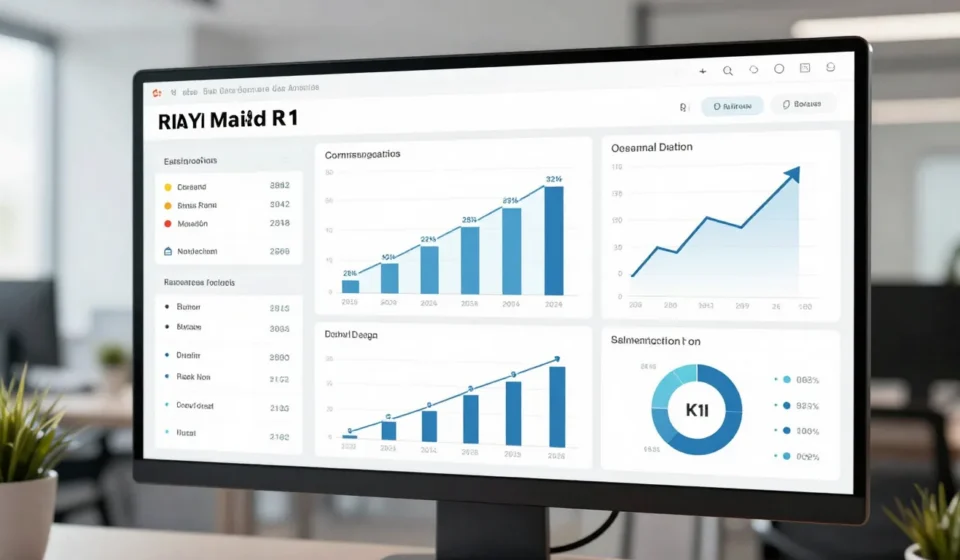
Start by mapping your core competitors and identifying key data sources. Web analytics, social listening tools, customer reviews, and pricing monitoring are just the beginning. The goal is to create a dashboard that tracks competitive analytics across market share, customer sentiment, and product features.
Tools like SimilarWeb, Brandwatch, and Semrush can automate much of this collection. But raw data is useless without a framework.
Define your KPIs: price elasticity, churn rates, ad spend efficiency, and net promoter score relative to competitors. This infrastructure becomes your strategic nerve center.
Five Critical Data Points to Watch
Focus on metrics that reveal competitor weaknesses and market opportunities. Customer churn patterns, for instance, often signal product gaps you can exploit.
Pricing changes, especially sudden drops, indicate inventory pressure or loss of loyalty.
- Traffic sources: Identify where competitors get their leads and whether they are diversifying.
- Social engagement: Measure comment sentiment and share of voice in relevant conversations.
- Review trends: Track recurring complaints in competitor reviews—these are your feature road map.
- SEO gaps: Find keywords competitors rank for that you don’t, then target them first.
- Job postings: Hiring surges in a specific department hint at strategic shifts (e.g., building a sales team).
Turning Insights into Decisive Action
Data collection is meaningless without execution. Use your competitive analytics to prioritize initiatives with the highest impact. For example, if a rival struggles with customer support wait times, invest in chatbot automation to win over their dissatisfied customers.
Create a weekly review cadence with your leadership team. Each session should start with three questions: What did we learn?
What must we change? What will we test this week?
This rhythm transforms analytics from a passive report into a dynamic strategy engine.
Case Study: How a SaaS Startup Outflanked Giants
A B2B SaaS client noticed competitors were competing on features but ignoring onboarding friction. By analyzing user behavior data, they redesigned their onboarding flow, reducing time-to-value by 40%.
Within six months, they captured 15% market share from established players. The key was not just collecting data, but acting on a specific insight no one else saw.
For deeper frameworks, read Business & Entrepreneurship guides on strategic planning. For real-time benchmarks, check out Gartner’s Digital Markets and Harvard Business Review’s analytics section.
Common Pitfalls and How to Avoid Them
Three mistakes plague most data initiatives: analysis paralysis, vanity metrics, and siloed tools. Avoid the first by setting clear decision deadlines—95% confidence is often enough.
Second, focus only on metrics that connect directly to revenue or retention. Third, integrate tools like Google Data Studio to centralize views.
Another trap is spying rather than learning. Ethical competitive analysis respects boundaries—use publicly available data, not insider leaks.
The best competitors use analytics to improve their own offering, not to copy others. Differentiation comes from unique combination of insights.
Future-Proofing Your Analytics Practice
As AI and machine learning mature, competitive analytics will become predictive rather than retrospective. Early adopters of predictive analytics can anticipate competitor moves before they happen.
Start by training models on historical data of pricing changes or product launches.
Invest in a culture where data fluency is a core competency. Train every department to ask data-backed questions. When your entire organization thinks in terms of competitive analytics, you create a collective intelligence that competitors simply cannot copy.
Now is the time to build your competitive analytics muscle. Start small, iterate fast, and let the data guide your boldest moves.