Creating a Customer Feedback Loop: A Step-by-Step Guide to Drive Product Improvements and Loyalty

Why a Structured Feedback Loop Matters
In today’s competitive landscape, the customer feedback loop is your most critical engine for growth. Without a systematic approach to collecting and acting on user insights, you risk building features nobody wants.
Companies that close the loop see 10–15% higher retention rates. Let’s explore how to build one that works.
Step 1: Define Your Goals and Metrics
Before asking for input, clarify what you want to learn. Are you improving onboarding, reducing churn, or validating a new feature?
Tie each feedback request to a specific metric—NPS, CSAT, or product usage data.
This focus prevents survey fatigue and ensures actionable data. These objectives guide your customer feedback loop to remain aligned with business outcomes. By starting with clear goals, you avoid collecting irrelevant data that wastes time.
Set Clear Objectives
Align feedback goals with business outcomes. For example, if churn is high, target questions about pain points during the first 30 days.
Use a framework like OKRs to keep your team accountable.
Step 2: Choose the Right Collection Channels
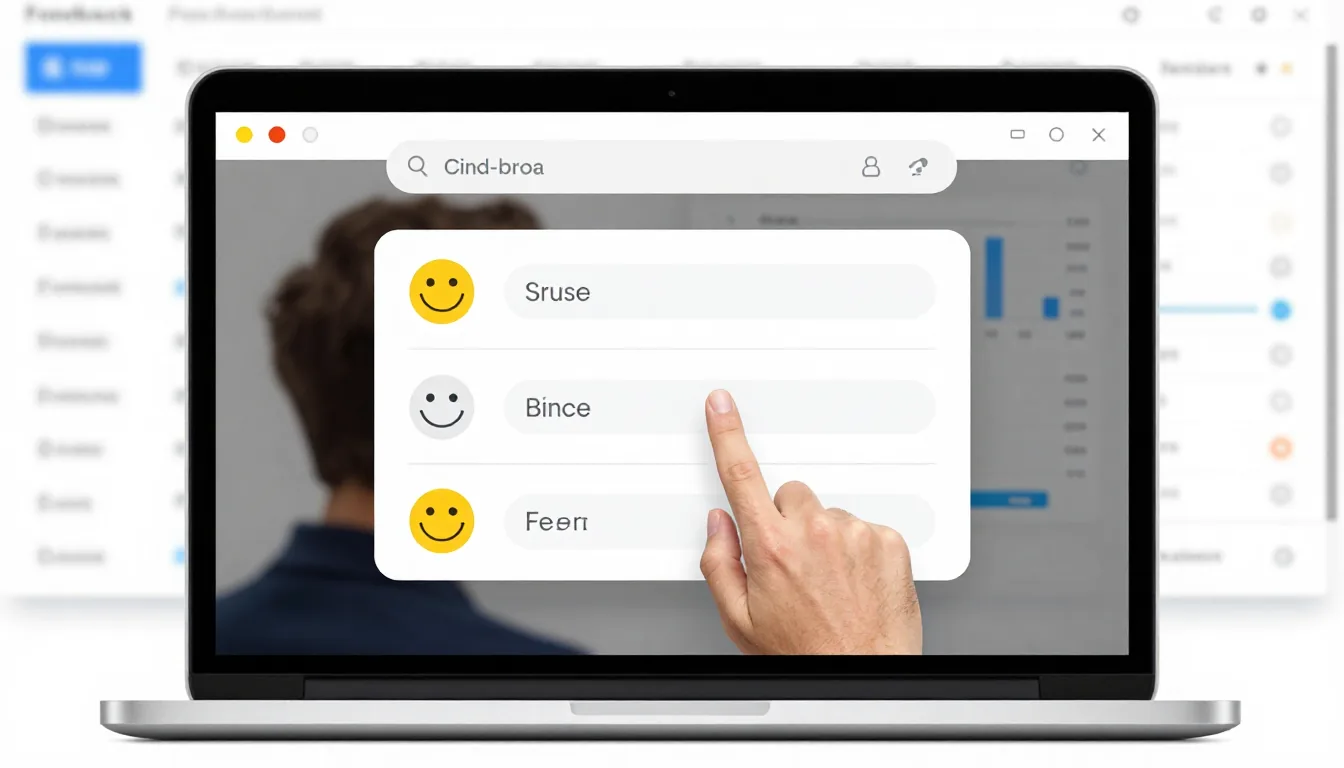
Not all channels are equal. In-app surveys capture real-time sentiment, while email NPS polls suit post-purchase moments. Select channels that feed into your customer feedback loop seamlessly.
Consider using a mix of quantitative and qualitative methods for a holistic view.
- In-app widgets (e.g., Intercom, Qualtrics) for immediate feedback.
- Email surveys triggered after key actions (e.g., subscription renewal).
- Social listening tools like Brandwatch for unsolicited comments.
Pro tip: Keep surveys under 3 minutes. Use open-ended questions to uncover unexpected insights.
Step 3: Analyze with a Systematic Approach
Raw feedback is noise. Use thematic coding or AI sentiment analysis to spot patterns.
Categorize by severity and frequency.
For instance, a bug affecting 5% of users might be urgent if it blocks a core workflow. Create a dashboard that tracks trends over time.
Quantify and Prioritize
Use the RICE score (Reach, Impact, Confidence, Effort) to prioritize changes. A feature requested by 80% of power users with high impact should move to the top of your roadmap.
Avoid the temptation to act on every single comment.
Step 4: Close the Customer Feedback Loop with Action
Feedback without action erodes trust. Share results internally and assign ownership.
Build a cross-functional team to implement changes.
Common outcomes: product updates, content improvements, or process tweaks. For example, Slack regularly releases “What We Fixed” notes based on user input.
Step 5: Communicate Changes Back to Customers
This step is often overlooked but vital. Send a personalized email or in-app message: “You asked, we delivered—here’s what we changed.” Include the feedback that sparked the update.
This action completes the customer feedback loop emotionally, showing you listen. Companies like Canva excel at this, using changelogs that credit customer suggestions.
Step 6: Measure Impact and Iterate
After launching a change, track the same metrics you defined in Step 1. Measure the impact of your customer feedback loop on satisfaction and churn. Run A/B tests to validate.
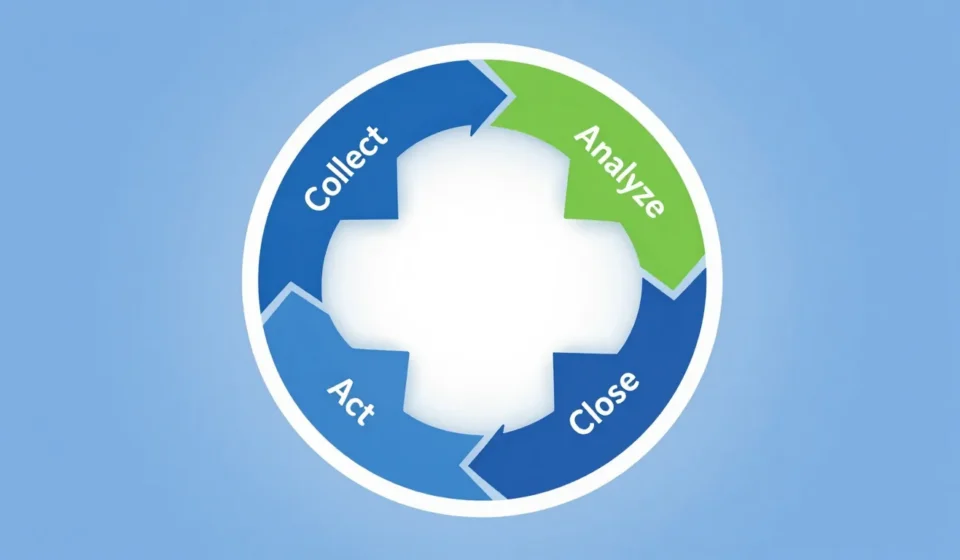
If results are flat, re-engage customers with a follow-up survey. The feedback loop is never finished—it’s a continuous cycle of improvement.
Step 7: Build a Feedback Culture
Embed the customer feedback loop into your company DNA. Train support teams to ask for input during calls. Celebrate wins that originated from user suggestions.
Use an internal tool like Canny or ProductBoard to centralize ideas. This culture accelerates product-market fit and fosters brand advocates.
Ready to implement your own customer feedback loop? Start with one channel and one goal. As you refine, you’ll build a system that drives loyalty and growth.
Remember, the best feedback loops are those that evolve with your customers’ needs.
For more strategies, explore our Business & Entrepreneurship archive. Learn how top companies use feedback loops at Harvard Business Review, Intercom’s guide, and Help Scout’s playbook.