
Companion Planting Insects: The Foundation of Natural Pest Control
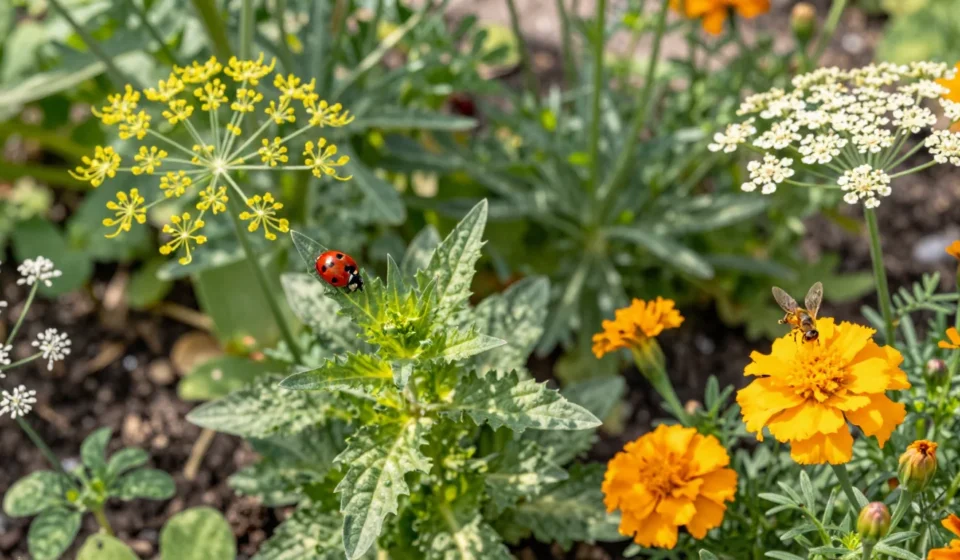
Integrating companion planting insects into your garden design is a time-honored strategy for natural pest control. By pairing specific plants, you create a habitat that welcomes predatory insects and pollinators.
This reduces the need for chemical interventions and fosters a balanced ecosystem.
Beneficial insects like ladybugs, lacewings, and parasitic wasps rely on nectar and pollen when prey is scarce. Planting flowers such as dill, fennel, and yarrow provides them with essential food sources.
This approach capitalizes on the symbiotic relationships between companion planting insects and their host plants.
Research shows that gardens with diverse flowering plants attract two to three times more beneficial insects. Interplanting nectar-rich flowers with vegetables creates a buffet for predators.
For example, a study from the University of California found that planting buckwheat near tomatoes increased parasitic wasp activity by 50 percent.
The Best Plants for Attracting Predators and Pollinators
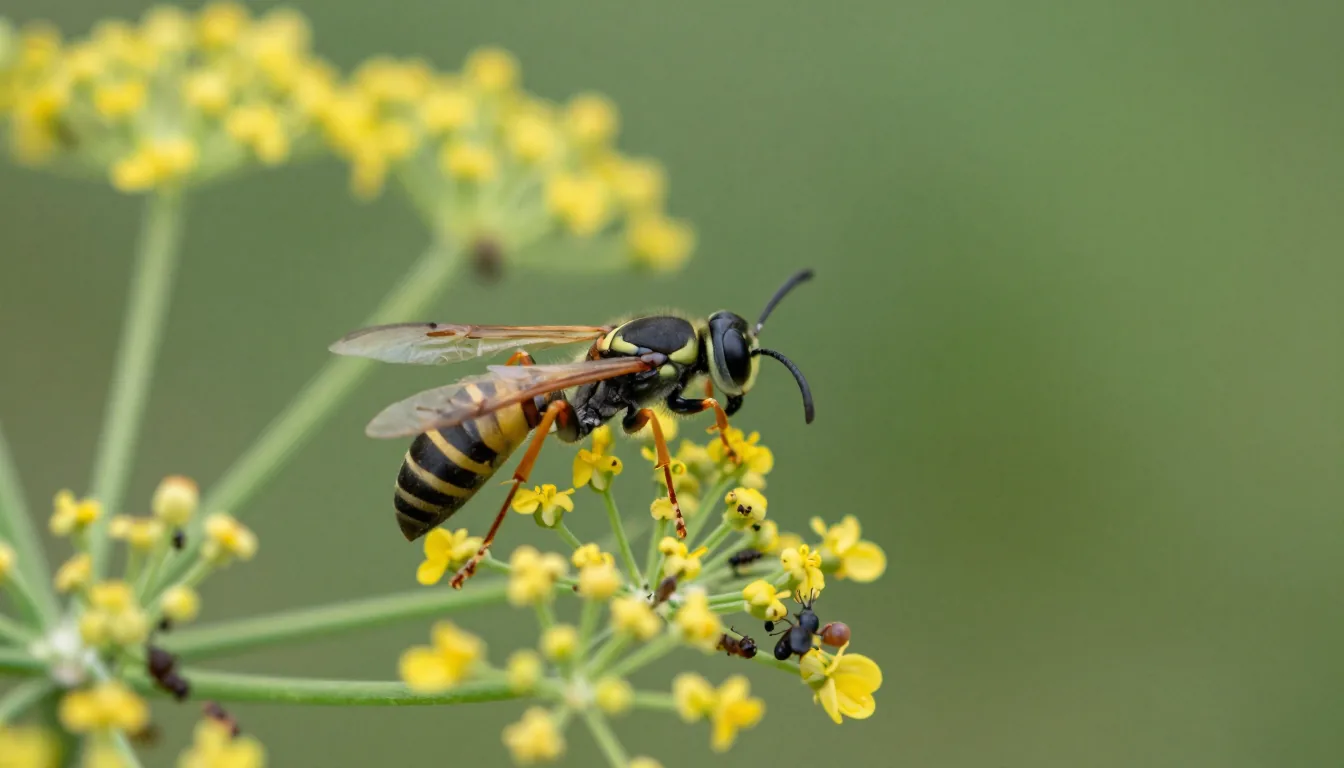
Umbeliferae family members, like carrots and parsley left to flower, are magnets for tiny parasitic wasps. These wasps lay eggs inside pest caterpillars, offering biological control without any effort from you.
Similarly, daisy-shaped blooms from chamomile and sunflowers attract hoverflies, whose larvae feast on aphids.
Mints, such as spearmint and catnip, repel ants and attract ground beetles that hunt soil-dwelling pests. But be cautious—mint can become invasive; grow it in containers sunk into the ground.
Marigolds, with their strong scent, deter nematodes and draw in predatory mites that feed on thrips.
Soldier beetles and assassin bugs are attracted to goldenrod and Queen Anne's lace. These beetles prey on soft-bodied pests like caterpillars and aphids.
Adding a variety of these plants ensures a steady presence of natural enemies throughout the season.
Seasonal Planting Calendar for Insect Allies
Spring is the time to sow early nectar sources like alyssum and calendula. These flowers bridge the gap until summer blooms arrive.
This ensures that companion planting insects have food from the start.
In summer, focus on continuous-flowering plants like cosmos and zinnias to support adult pollinators and predators through the hottest months. Autumn’s last blossoms, such as asters and goldenrod, provide critical fuel for migrating ladybugs and native bees.
Leave seed heads standing through winter for birds and overwintering insects. A year-round supply of blooms ensures your garden’s defense system never sleeps.
Many gardeners overlook the importance of timing when relying on companion planting insects.
Practical Plant Pairings for Common Pests
For aphid control, interplant nasturtiums with your brassicas. Nasturtiums act as trap crops, luring aphids away from your kale and broccoli.
Nearby dill and coriander will then draw in ladybugs that clean up the invaders.
To manage tomato hornworms, plant borage and basil around your tomatoes. Borage attracts bees for pollination while basil repels hornworm moths.
Plus, both herbs enhance the flavor of tomatoes—a win for your kitchen and your garden.
For squash bugs, interplant radishes and tansy with your cucurbits. Radishes draw flea beetles away, and tansy repels squash bugs.
Meanwhile, flowering oregano and thyme provide shelter for ground beetles that prey on squash bug eggs.
- Cabbage white butterflies: Plant dill and fennel to attract braconid wasps.
- Spider mites: Interplant coriander with peppers to lure predatory mites.
- Slugs and snails: Use a ring of crushed eggshells and plant rue nearby.
To maximize the benefits of companion planting insects, avoid broad-spectrum pesticides. Even organic ones can harm the very insects you’re trying to attract.
Creating Permanent Insectary Beds
Designate a corner of your garden for perennial insectary plants. Include species like lavender, echinacea, and golden marguerite.
These plants come back year after year, establishing a stable food web for beneficial insects.
Allow a few weeds like dandelion and clover to bloom in spring—they are often the first food for emerging pollinators. Cluster at least three to five plants of each species to create visual targets for insects.
For more on building resilient garden ecosystems, explore our Gardening & Nature archive. Also, check out these resources: University of Minnesota Extension – Beneficial Insects and Xerces Society Pollinator Plant Lists.