
Spring Awakening: Food Forest Maintenance and Forest Floor Preparation
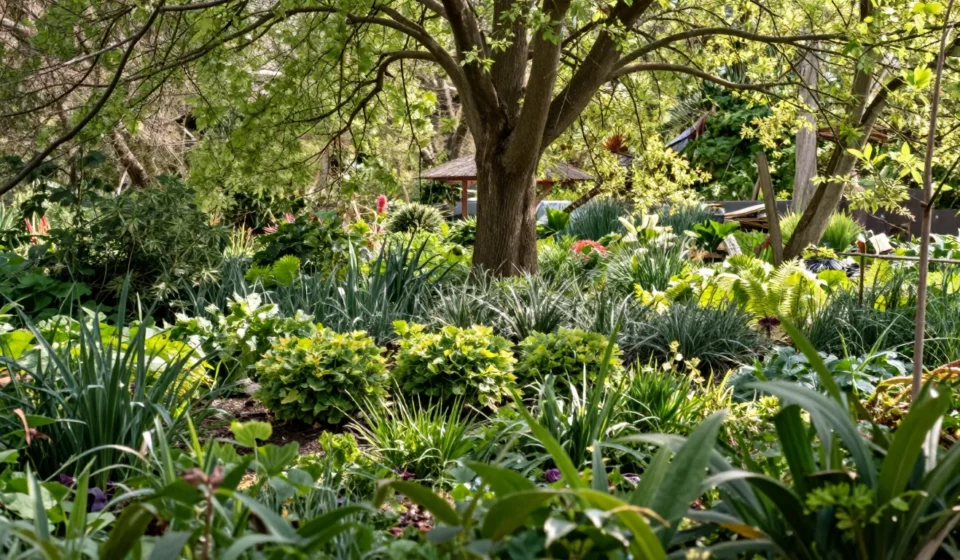
As the soil warms, focus on food forest maintenance by clearing winter debris and refreshing mulch layers. Check the health of overwintered plants and prune any damaged branches.
This is the ideal time to plant new layers: add nitrogen-fixing shrubs like sea buckthorn or goumi to enrich the soil naturally. Sow annual groundcovers such as buckwheat to suppress weeds.
March: Soil Testing and Compost Application
Test your soil pH and nutrient levels before active growth begins. Spread a thin layer of finished compost around tree guilds, avoiding direct contact with trunks.
Plant early greens like arugula and miner’s lettuce in the understory gaps. These fast-growing plants will be harvested before taller canopy trees leaf out fully.
April: Mulching and Irrigation Setup
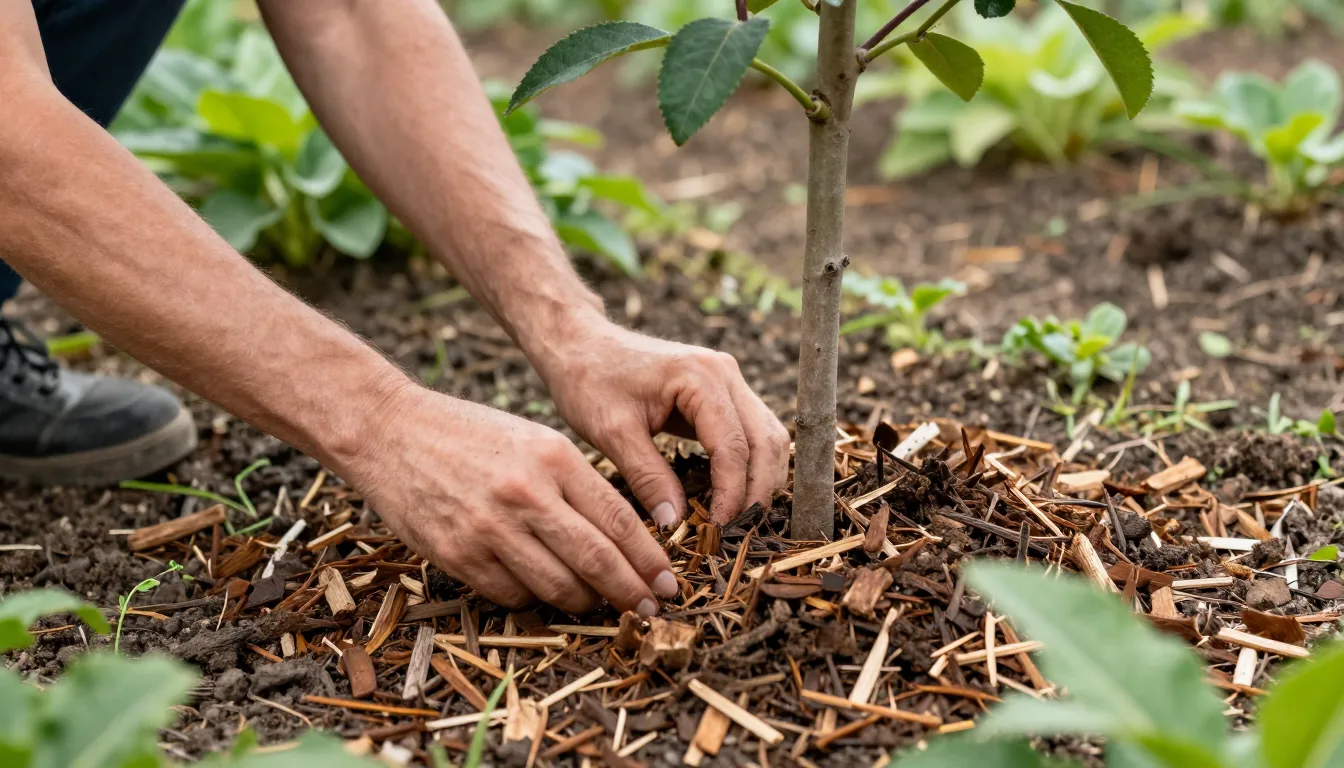
Apply a 2–3 inch layer of wood chips or leaf mold to retain moisture and feed soil fungi. Install drip irrigation or soak hoses along key root zones.
Divide and transplant perennial herbs such as comfrey and lovage in the morning when the ground is moist. These dynamic accumulators will later provide nutrient-rich mulch.
Summer Bounty: Managing Canopy and Pests
By June, the forest system is in full swing. Prioritize food forest maintenance by thinning overcrowded branches to improve airflow and sunlight penetration to lower layers.
Monitor for pest outbreaks using pheromone traps or hand removal. Encourage beneficial insects by planting dill, fennel, and yarrow in sunny clearings.
July: Harvesting and Succession Planting
Pick berries, fruits, and vegetables as they ripen to prevent rot and seed drop. Prune fruiting canes of raspberries and blackberries after harvest.
Sow nitrogen-fixing cover crops like cowpea or lablab in empty gaps to enrich the soil for autumn. Keep a thick mulch layer to reduce water stress during heat waves.
August: Watering and Disease Control
Deep water established trees and shrubs during dry spells, especially if they are fruiting. Avoid overhead watering to minimize fungal diseases on leaves.
Remove any diseased foliage promptly and add it to a hot compost pile, not the forest floor. Check for signs of powdery mildew on sensitive plants and apply a baking soda solution if needed.
Autumn Transition: Planting and Soil Building
September brings cooler temperatures and a second planting window. Continue food forest maintenance by adding a fresh layer of compost and planting garlic, onions, and shallots.
Collect fallen leaves and pile them around tree bases to create a natural habitat for decomposers. This leaf mulch will slowly break down over winter.
October: Tree and Shrub Planting
Bare-root trees and shrubs establish well when planted in autumn. Dig wide holes and inoculate roots with mycorrhizal fungi for stronger growth.
Prune back perennial herbs and lay the cuttings as mulch along paths. This prevents soil erosion during winter rains.
November: Protecting the Soil
Spread a thick straw mulch over bare soil to protect from frost and compaction. Install windbreaks if your food forest is exposed.
Harvest pumpkins, squashes, and late apples. Store them in a cool, dark place for winter eating.
Winter Rest: Planning and Infrastructure
January is the time for reflection and planning. Review your food forest maintenance logs and order seeds or plants for the coming year.
If snow cover is present, gently brush heavy snow off branches to prevent breakage. On mild days, prune dormant trees and shrubs.
December: Tool Care and Soil Amendments
Clean and sharpen pruning tools, and oil wooden handles. Test your soil again if you didn’t in spring, and add lime or rock dust as needed.
Spread bone meal or other slow-release phosphorus sources around fruiting plants to support next year’s bloom.
For more guidance on building resilient edible ecosystems, visit our Gardening & Nature archive. Learn about permaculture principles and agroecological practices to deepen your understanding.