
No-Till Gardening Benefits for Soil Structure and Beyond
No-till gardening benefits the soil in profound ways, from preserving its structure to nurturing a vibrant ecosystem of microbes and earthworms. By avoiding the traditional practice of tilling, you allow the natural processes of soil building to take place.
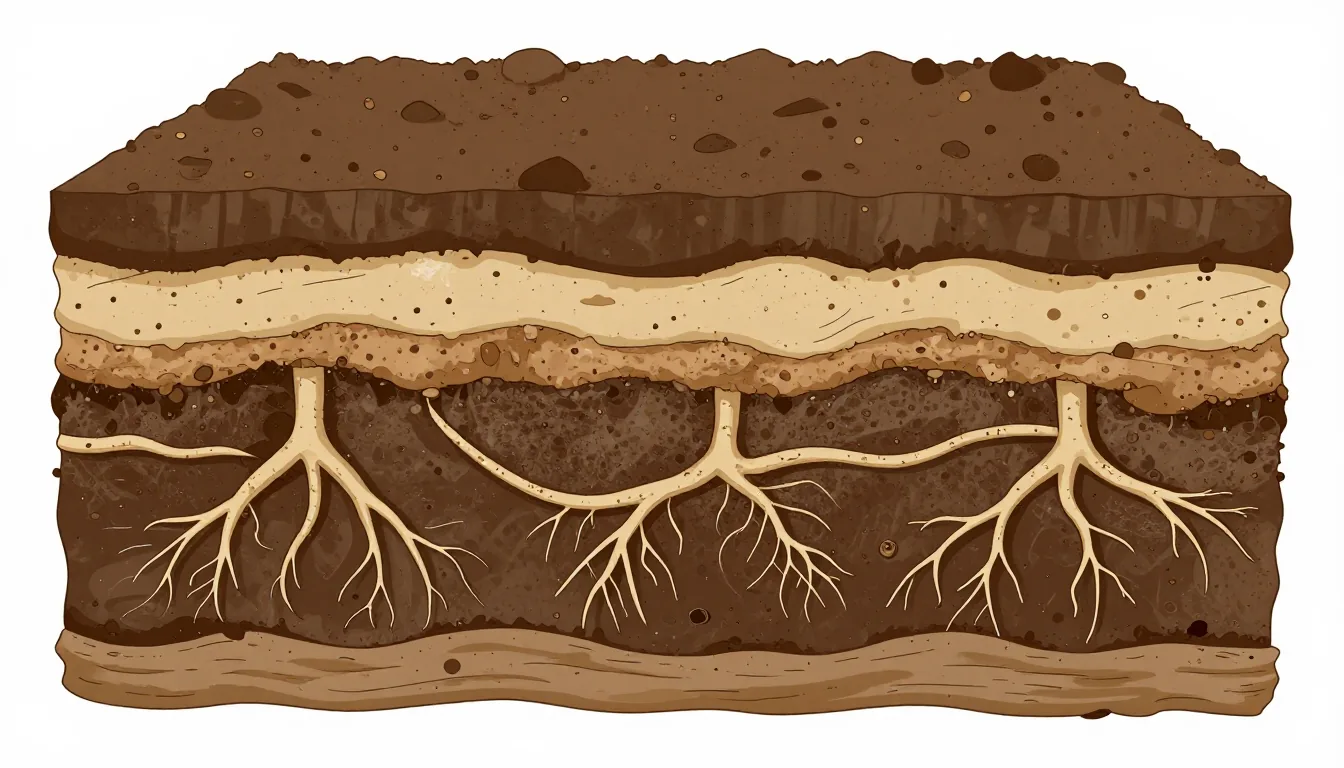
The soil remains layered, with organic matter on top and a complex network of pores and channels underneath.
This structure is essential for water infiltration and root penetration. When you till, you break up these natural formations, leading to compaction and erosion over time.
No-till gardening maintains soil integrity, ensuring roots grow deep and access nutrients easily, resulting in richer, crumbly soil over time.
Tilling also exposes soil to the air, accelerating the decomposition of organic matter and releasing carbon dioxide. In contrast, no-till gardening sequesters carbon, contributing to climate change mitigation.
This benefit makes it a sustainable choice for environmentally conscious gardeners.
How No-Till Reduces Weed Pressure
One of the most immediate no-till gardening benefits is the reduction in weed growth. Tilling brings dormant weed seeds to the surface to germinate, but by leaving soil undisturbed, you keep them buried and inactive.
Over time, the weed seed bank diminishes, making your garden easier to manage.
Additionally, no-till methods often involve heavy mulching with straw, leaves, or wood chips. This mulch blocks sunlight from reaching weed seeds, preventing them from sprouting altogether.
The mulch also moderates soil temperature and retains moisture, creating ideal conditions for your plants while suppressing weeds naturally.
Nurturing the Soil Food Web
No-till gardening benefits extend deep into the soil food web. Tilling destroys the delicate networks of fungi, bacteria, and other microorganisms that support plant health.
Mycorrhizal fungi, in particular, form symbiotic relationships with plant roots, helping them absorb water and nutrients while extending the root system's reach.
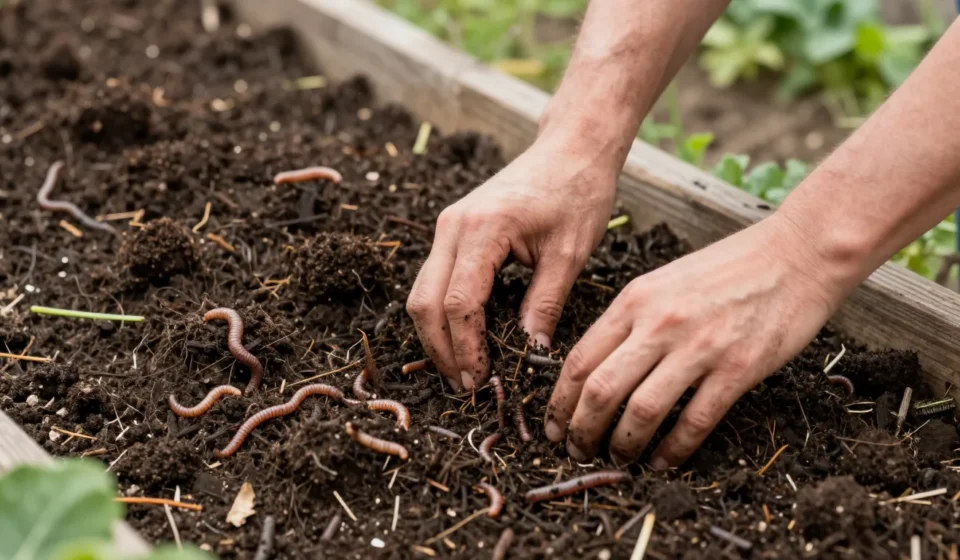
When you stop tilling, these organisms thrive: earthworms aerate the soil and their castings enrich it with nutrients, while beneficial bacteria release essential minerals. In essence, no-till fosters a self-sustaining ecosystem that reduces the need for fertilizers and pesticides, leading to healthier crops.
No-Till and Water Conservation
No-till gardening significantly improves water efficiency. The undisturbed soil structure allows water to infiltrate quickly rather than running off, reducing erosion and wasteful runoff.
The organic matter and mulch act like a sponge, holding moisture for plants during dry periods.
With less evaporation from the soil surface, you can water less frequently. This not only saves time but also conserves a precious resource.
In drought-prone areas, no-till gardens often outperform conventional ones, maintaining lush growth with minimal supplemental irrigation.
Building Organic Matter with No-Till
One of the key no-till gardening benefits is the steady increase in soil organic matter. Each year, you add compost, mulch, or cover crop residues on top.
Soil organisms incorporate these materials into the soil, gradually raising the organic matter content.
Higher organic matter improves nutrient retention, water holding capacity, and soil structure. It also feeds the soil food web, creating a positive feedback loop of fertility.
Over time, your garden becomes more self-sufficient, requiring fewer inputs to produce abundant yields.
Practical Steps to Start No-Till Gardening
Transitioning to no-till is simple. Cover your garden beds with cardboard, then add 6 to 8 inches of compost and a layer of mulch.
This creates a rich planting bed without disturbing the soil.
Plant directly into this layered bed, parting the mulch for seeds or transplants. Each year, add fresh compost and mulch on top, and consider cover crops like winter rye. For more tips, visit our Gardening & Nature section.
The Long-Term Payoff
The no-till gardening benefits only increase with time. After a few seasons, you'll notice fluffier soil, fewer weeds, and healthier plants.
The soil becomes more resilient and you'll spend less time watering and weeding—a gentle ecological approach that honors natural cycles.
Moreover, no-till gardening reduces your workload: once established, you avoid tilling and heavy weeding as the soil becomes self-maintaining. To learn more, check out the Rodale Institute’s research on no-till organic farming and the USDA’s guide to soil biology. These resources provide deeper insight into why leaving soil undisturbed is a great decision for your garden.