
Pasta Cooking Mistakes and Their Simple Fixes
Perfect pasta is an art, yet many home cooks fall into the same pasta cooking mistakes that turn a potentially sublime dish into a starchy, soggy disappointment.
From the bustling streets of Naples to the trattorias of Rome, Italians have honed the craft for centuries. Let’s explore the five most common errors and how to correct them.
Underestimating Water Volume
Using too little water is the silent assassin of pasta texture. Starch concentration rises, resulting in a gluey mess.
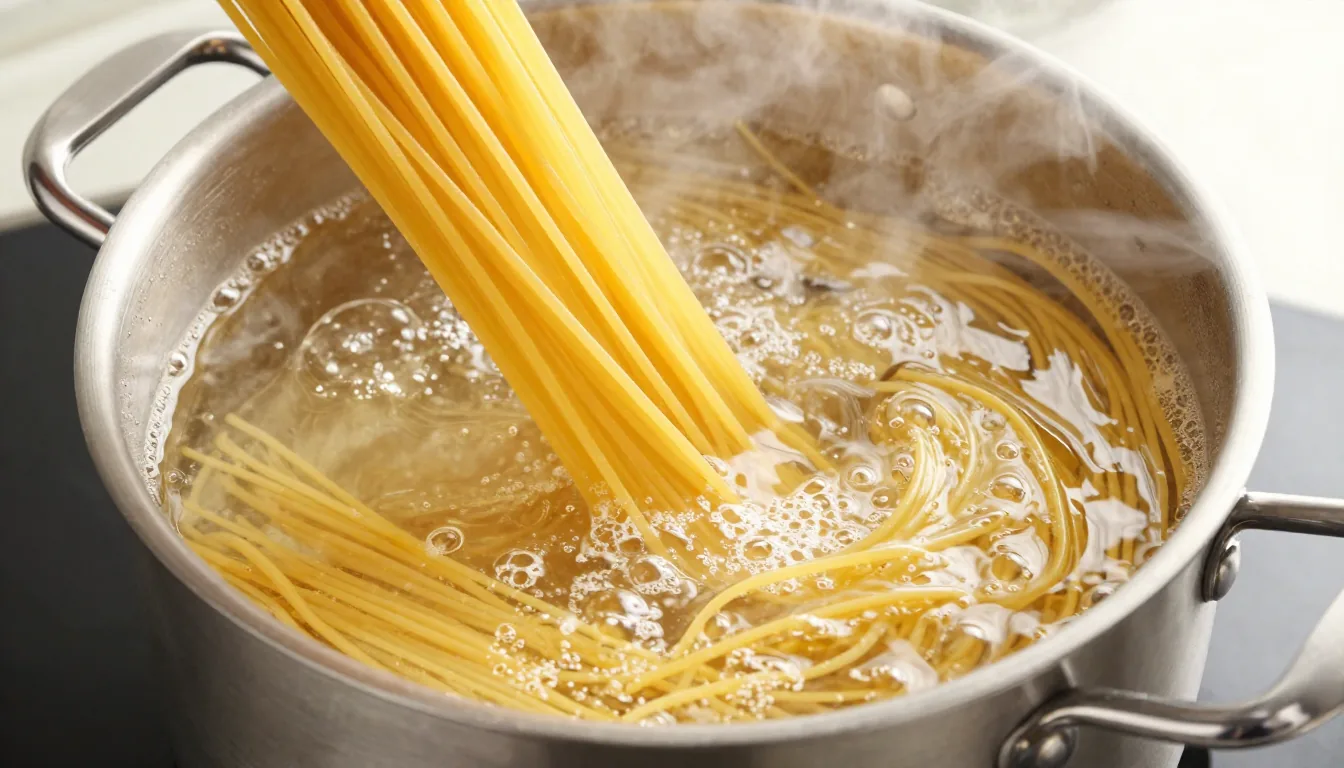
Always use at least one gallon (4 liters) of water per pound (450g) of pasta. This allows the noodles room to dance and prevents clumping.
Avoiding this pasta cooking mistake is crucial for perfect texture. I remember my nonna's heavy pot, always filled to the brim.
A large pot also helps maintain a stable boiling temperature, which is essential for even cooking.
If you don't have a large pot, consider cooking in batches. It's worth the extra time for perfect results.
The water should remain at a rolling boil throughout.
The Salting Mistake
Many cooks either forget to salt the water or add far too little. The water should taste like the sea.
Add about 1–2 tablespoons of coarse salt per gallon once it boils. This is the only chance to season the pasta from within.
Skipping this step is a subtle but detrimental pasta cooking mistake. Your dish will lack depth and vibrancy.
Salt not only seasons but also enhances the pasta's natural wheat flavor.
Use kosher salt or sea salt for best results. Table salt works too, but adjust the quantity.
Salt also strengthens the pasta's gluten structure.
The Overcrowding Problem
Dropping too much pasta into a small pot is a classic error. The temperature drops immediately, and the pasta releases excess starch, making it sticky.
Fix this by sticking to the 1 gallon per pound rule. If you must cook more, use multiple pots or cook in batches.
Additionally, stir the pasta vigorously right after adding it. This prevents initial sticking better than any oil could.
Do not add oil to the water. It only creates a slick surface and stops sauce from adhering later.
Stir occasionally during cooking.
The Rinsing Travesty
Italians cringe when they see a colander rinsed under cold water. The starch coating is essential for sauce adhesion.
Only rinse if you’re making a noodle salad or lasagna noodles. Otherwise, drain well and immediately toss with your sauce.
This is one of the most common pasta cooking mistakes that ruins the final dish. The water should cling to the noodles like a lover’s embrace.
The residual starch helps thicken the sauce and creates a creamy emulsion. Don't wash it away.
Rinsing also cools the pasta, making it harder to combine with the sauce.
Overcooking and Timing Errors
Overcooking is a cardinal sin. Remove the pasta 1–2 minutes before the package time, as it will continue cooking in the hot sauce.
Always reserve a cup of starchy pasta water before draining—it’s liquid gold for adjusting sauce consistency.
To test for doneness, bite a piece. It should be firm but not hard; no white center remains.
The Italian term al dente means “to the tooth,” and that's your goal.
Mastering these timing details will help avoid the most common pasta cooking mistakes. Your pasta will always be perfectly textured.
Start testing two minutes before the lowest recommended time. This prevents any risk of mushiness.
A timer helps, but your tooth is the best judge.
By fixing these pasta cooking mistakes, you’ll impress your guests and elevate everyday meals. For more culinary explorations, explore our Gastronomy & Food section.
To deepen your knowledge, check out authoritative sources like Serious Eats or The Kitchn.