
The Chemistry of Umami: A Fifth Taste Revolution
Umami, often described as savory or meaty, is the fifth basic taste alongside sweet, sour, salty, and bitter. Discovered by Japanese chemist Kikunae Ikeda in 1908, umami is primarily triggered by glutamate. Understanding how to leverage this taste can lead to a natural umami flavor boost in your cooking.
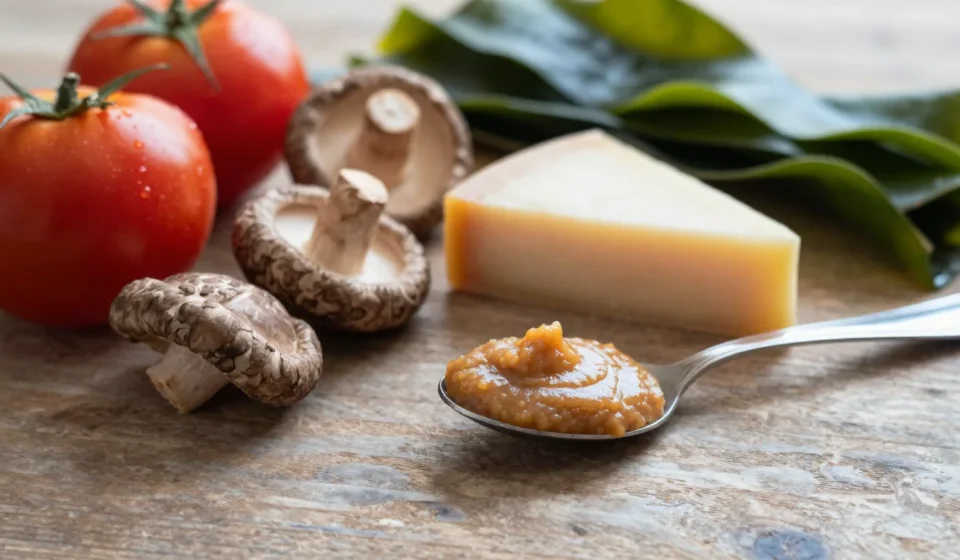
This chemistry explains why certain foods naturally deliver a powerful umami flavor boost. Ingredients like ripe tomatoes, aged cheeses, and cured meats are rich in free glutamate.
The magic intensifies when glutamate combines with nucleotides like inosinate and guanylate, found in fish and mushrooms, respectively. This synergy can multiply umami perception by up to seven times.
Natural Sources of Glutamate and Nucleotides
Tomatoes, especially when sun-dried or concentrated, become umami powerhouses. Their glutamate content increases as they ripen, making a slow-roasted tomato sauce a flavor bomb.
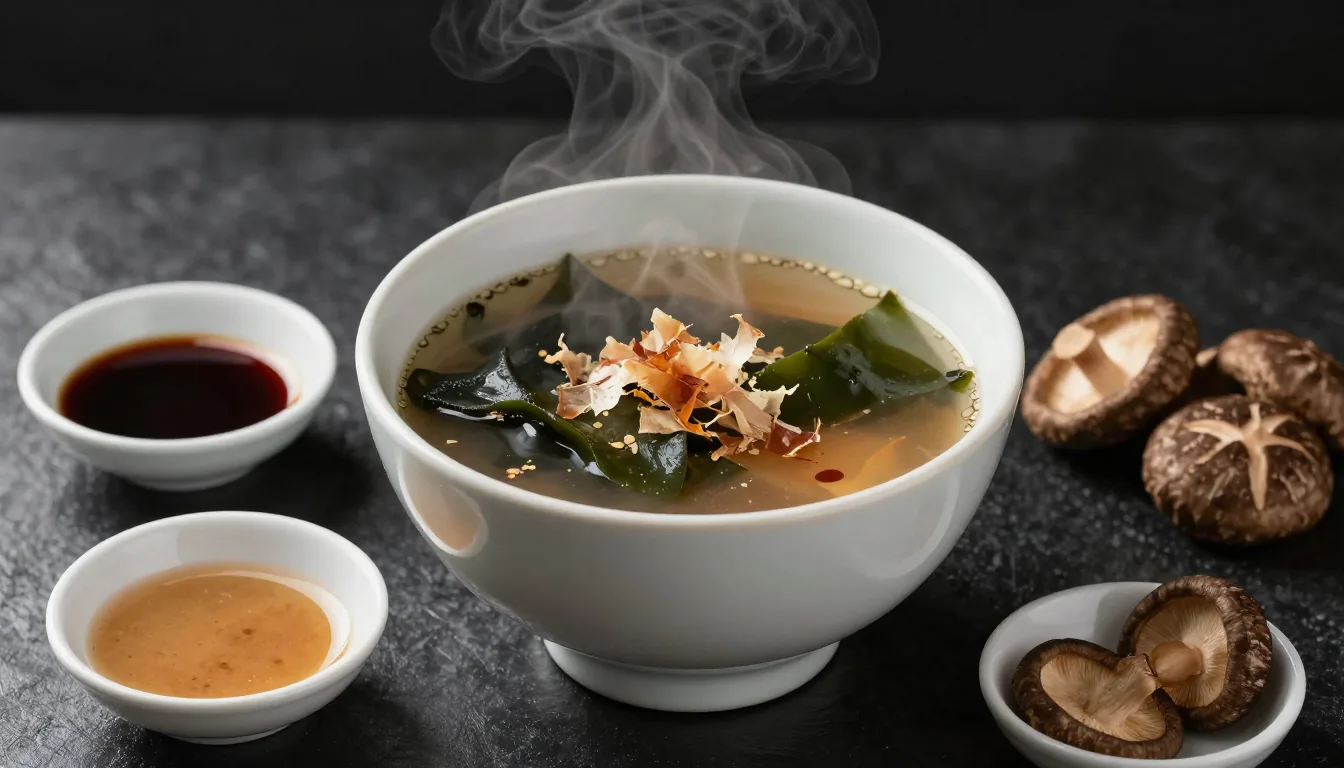
Mushrooms, particularly shiitake, are packed with guanylate; drying them further concentrates these compounds.
Miso, a fermented soybean paste, offers a double hit of glutamate and savory depth. It's a cornerstone of Japanese cuisine for good reason.
Kombu seaweed is another star: it naturally contains high levels of free glutamate, which is why dashi broth tastes so profoundly savory.
Anchovies and other small fish are rich in inosinate, a nucleotide that synergizes with glutamate. Adding a few anchovies to a sauce can greatly enhance its savory profile without making it fishy.
Sun-dried tomatoes are a fantastic source for an umami flavor boost; use them in sauces and salads.
Aging and Fermentation: Nature’s Flavor Amplifiers
Aging processes break down proteins into free amino acids, including glutamate. Parmesan cheese, with its crystalline texture, is a prime example of this transformation.
Similarly, fermented foods like soy sauce, fish sauce, and kimchi develop complex umami profiles through microbial activity.
These ingredients don't just add saltiness; they create a layered savory foundation. Even a dash of fish sauce in a stew can elevate the dish without tasting fishy.
The key is to use them as subtle enhancers rather than dominant flavors.
Balsamic vinegar, when aged, develops concentrated glutamates from the grape must. A drizzle can add depth to salads and roasted vegetables.
Aged balsamic from Modena undergoes a long fermentation, resulting in a sweet-savory condiment with complex flavor from both glutamates and sugars.
Cooking Techniques for Maximum Umami Flavor Boost
Browning meat or vegetables via the Maillard reaction generates new glutamates and savory aromas. A well-seared steak or roasted mushrooms will naturally taste more umami.
Slow cooking also helps break down collagen into gelatin, which amplifies mouthfeel and richness.
Another technique is to use kombu seaweed in your cooking water. Simmering a strip of kombu in water or broth releases glutamates that deepen the base flavor.
Combining different umami sources is a chef's secret. A classic Italian marinara uses tomatoes, Parmesan rind, and anchovies—all umami-rich.
This layering creates a flavor that is greater than the sum of its parts. This combination delivers an exceptional umami flavor boost.
For plant-based cooks, nutritional yeast and miso work wonders.
Practical Tips for Everyday Cooking
Start by incorporating mushrooms into stocks and sauces. Dried mushrooms can be ground into a powder and sprinkled on anything from pasta to popcorn. Gastronomy & Food experts often recommend adding a splash of soy sauce or Worcestershire sauce to braises for extra depth.
Don't forget about ripe cherry tomatoes: halve them and roast with olive oil until concentrated. Their natural sweetness turns into a savory glaze.
Even a sprinkle of powdered Parmesan over vegetables can transform them into a side dish that satisfies.
For an instant umami flavor boost, add a splash of soy sauce or a spoonful of miso to soups and stews. These ingredients provide both salt and savory depth.
To understand more about the science, this research on umami receptors explains the molecular interactions. For a deeper dive into glutamate-rich foods, Umami Information Center offers comprehensive guides. Finally, exploring Serious Eats on umami can inspire new recipes.
By understanding and applying these principles, you can naturally boost the savory satisfaction of any meal—without relying on artificial additives.