
Understanding Fresh vs Dried Herbs: The Flavor Impact
When it comes to cooking, the choice between fresh vs dried herbs can make or break a dish. Mastering this decision requires understanding flavor, aroma, and how each herb behaves in different cooking methods.
With a few simple guidelines, you can elevate every meal.
Fresh herbs offer bright, delicate flavors perfect for uncooked dishes or last-minute additions. Dried herbs provide concentrated, robust tastes ideal for long-simmered stews and sauces.
Each form has its strengths and optimal uses.
The primary difference lies in water content. Fresh herbs contain up to 90% water, which dilutes their flavor.
Drying removes moisture, concentrating the essential oils and making dried herbs up to three times more potent than fresh.
However, heat affects them differently. Fresh herbs lose volatile oils quickly when cooked, so they're best added at the end.
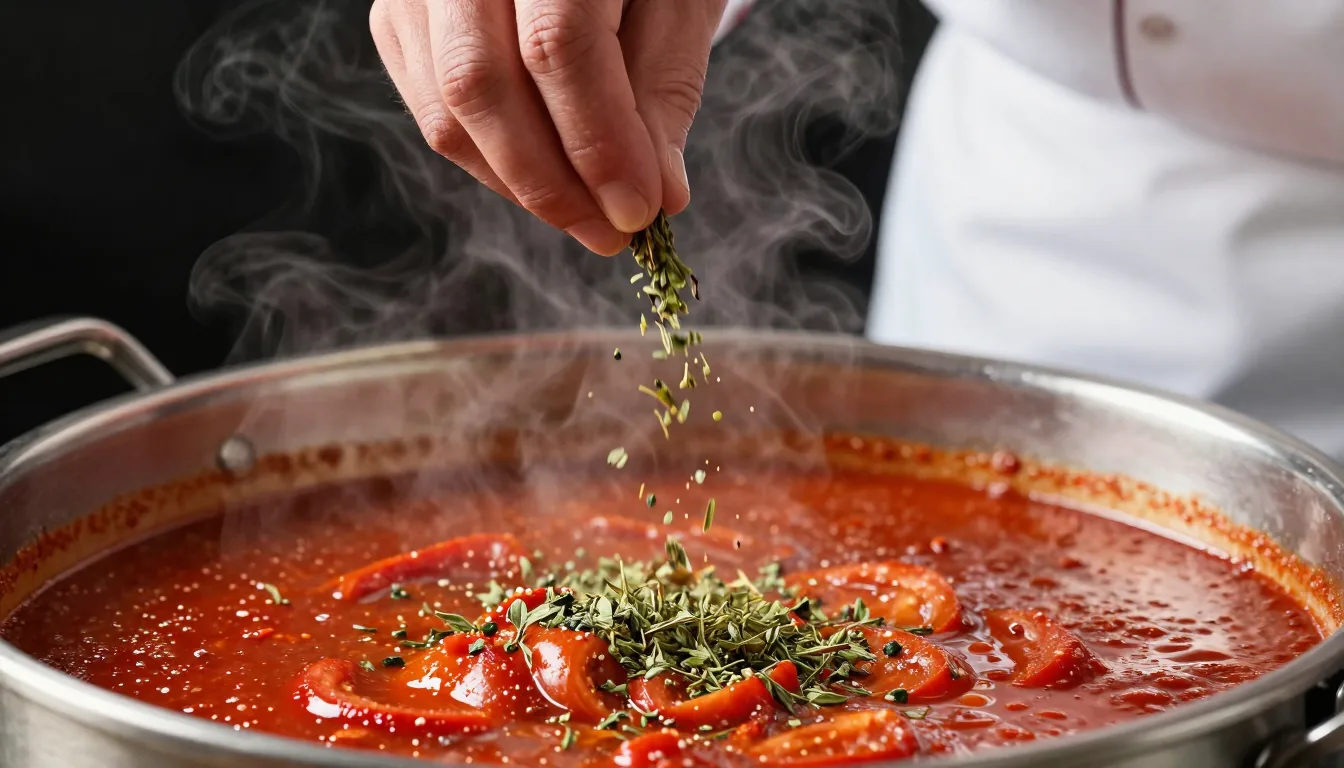
Dried herbs need time to rehydrate and release flavors, so add them early in the cooking process.
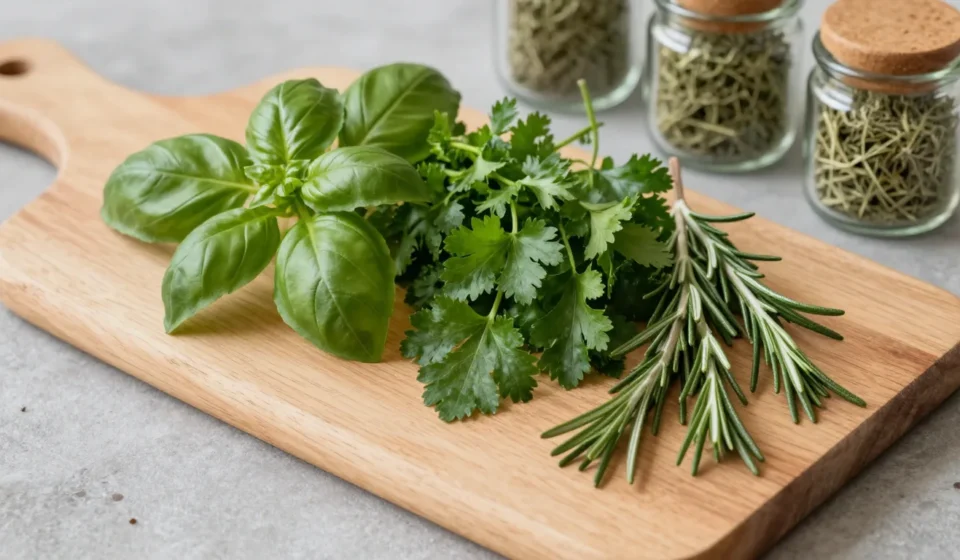
Aromatic compounds also change. Fresh basil smells grassy and peppery, while dried basil becomes more minty and mild.
Understanding these shifts helps you choose the right form for each recipe.
Understanding the potency difference between fresh vs dried herbs ensures you never overpower a dish. This knowledge is the foundation of confident cooking.
Aromatic Profiles and Potency
When substituting, a general rule is one teaspoon of dried herb equals one tablespoon of fresh. But adjust to taste, as some dried herbs like oregano and thyme are particularly potent.
Cooking time influences the choice. For quick dishes like omelets or salads, fresh herbs shine.
For braises, soups, and sauces that simmer for over 30 minutes, dried herbs integrate better.
Storage also matters. Fresh herbs should be kept in the refrigerator with stems in water or wrapped in damp paper towels.
Dried herbs should be stored in airtight containers away from light and heat, and generally last for one to three years.
When to Choose Fresh Herbs
Use fresh herbs for uncooked applications: salads, salsas, chutneys, and garnishes. They also work well in quick-cooked pasta, pesto, and marinades where delicate flavor is key.
Delicate herbs like basil, cilantro, dill, and parsley are best fresh. Their flavors are easily lost during drying, so the fresh versions are superior for most uses.
When to Choose Dried Herbs
Dried herbs excel in long-cooked dishes. They withstand hours of simmering without losing potency.
Hearty herbs like rosemary, thyme, oregano, and sage are classical choices for drying.
They are also more convenient and cost-effective. A jar of dried oregano can last months, and you can use them straight from the pantry without washing or chopping.
Seven Essential Tips for Herb Usage
First, taste your herbs before using. Dried herbs can vary in strength depending on age and quality.
Second, crush dried herbs between your fingers to release their oils before adding to a dish.
Third, add fresh herbs at the very end of cooking to preserve their color and flavor. Fourth, use dried herbs at the beginning so they have time to bloom.
Fifth, when combining herbs, balance fresh and dried according to cooking time. Knowing when to choose fresh vs dried herbs is the key to balanced seasoning.
Sixth, store dried herbs away from the stove to prevent heat and humidity from degrading them. Seventh, experiment with blends: try a mix of fresh and dried in the same dish for layered complexity.
Common Herb Substitutions
For delicate herbs like basil and parsley, always use fresh if possible. For sturdy herbs like rosemary and thyme, dried is a reliable alternative.
When substituting, remember the 3:1 rule for quantity adjustment.
For more detailed guidance, visit Serious Eats’ comprehensive herb guide and Kitchn’s practical advice. These resources offer in-depth explanations and recipe examples.
To hone your skills further, explore the Gastronomy & Food section for more cooking tips and techniques. Mastering fresh vs dried herbs is a skill every home cook should develop—it transforms your cooking from good to great.