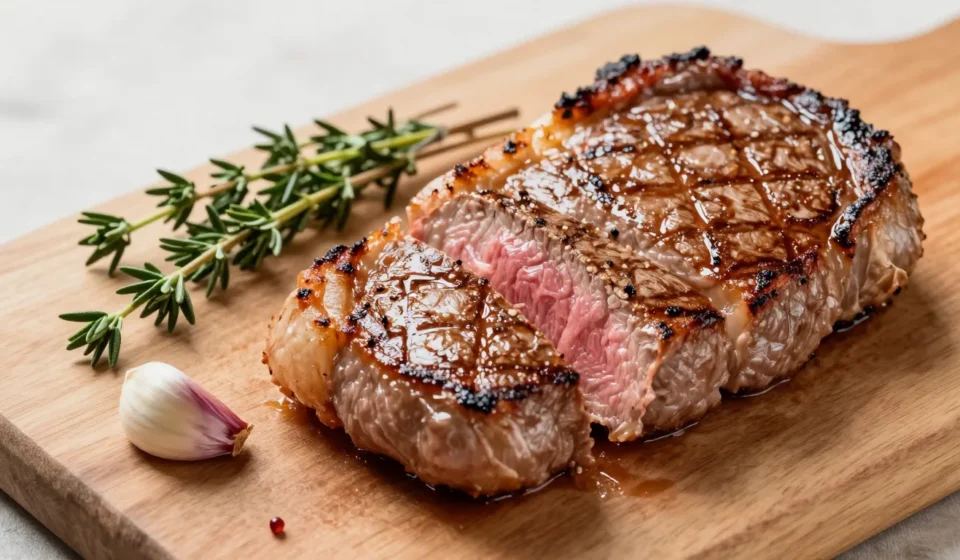

The Foundation: Choosing and Preparing the Right Cut
To achieve a truly restaurant quality steak at home, selection is paramount. Look for prime or choice-grade beef with abundant marbling—ribeye or New York strip are excellent choices.
Selecting a premium cut is essential for a restaurant quality steak. Thickness matters: aim for at least 1.5 inches to ensure a deep crust without overcooking the interior.
Before cooking, pat the steak dry with paper towels and season generously with kosher salt. This initial step draws out moisture, which is essential for a golden-brown crust later.
Let it rest uncovered in the refrigerator for at least an hour, or ideally overnight—this mimics a quick dry-age.
Dry-Aging at Home: Unlocking Deep Flavor
Dry-aging concentrates flavor and tenderizes meat by allowing enzymes to break down connective tissue. At home, you can replicate this with a simple method.
Place the steak on a wire rack over a baking sheet, then refrigerate uncovered for 24 to 72 hours. The air circulation dries the surface, intensifying the beefy taste.
This technique elevates your steak to a restaurant quality steak with complex umami notes.
The Perfect Sear: Building a Crust That Sings
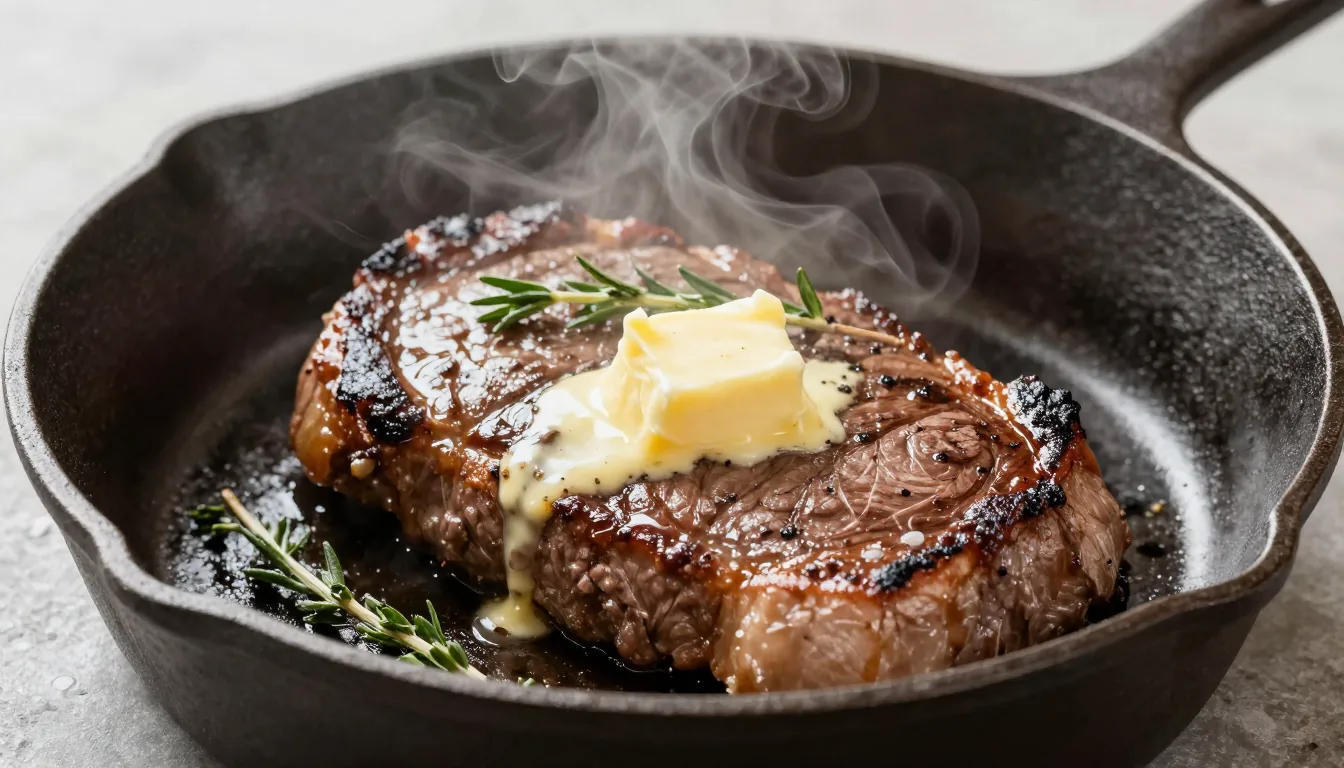
A great sear is achieved with high heat and a thin layer of oil. Use a heavy cast-iron skillet or stainless steel pan; preheat it until smoking.
Avocado oil or clarified butter works best due to their high smoke points.
Gently place the steak in the pan, pressing it down for full contact. Resist the urge to move it—let it sizzle undisturbed for 2-4 minutes per side.
A crust forms as the Maillard reaction creates hundreds of flavor compounds. Flip only once for the most even browning.
Butter Basting for Extra Luxury
In the last minute, add a pat of butter, crushed garlic, and fresh thyme. Tilt the pan and spoon the foaming butter over the steak.
This infuses the meat with aromatics and adds a nutty richness that complements the crust.
Temperature Control: Achieving Restaurant Quality Steak Doneness
Use an instant-read thermometer for precision. For medium-rare, target 125°F (52°C) before resting; the carryover cooking will bring it to about 130°F (54°C).
Remove the steak from the pan when it's 5°F below your desired final temperature.
If you prefer your steak more done, finish in a preheated oven at 400°F (200°C) after searing. This indirect heat gently cooks the interior without burning the crust.
Monitor closely to avoid passing your target doneness.
The Rest: Why Waiting Is Non-Negotiable
Resting allows juices to redistribute throughout the meat, a key step for restaurant quality steak. Place the steak on a warm plate or cutting board, tent loosely with foil, and let it rest for 5 to 10 minutes.
Cutting too early releases all those flavorful juices onto the plate. Remember, patience is key to achieving that restaurant quality steak.
During rest, the internal temperature continues to rise slightly—this is carryover cooking. Use this time to prepare a simple pan sauce or side dish like roasted asparagus or creamy mashed potatoes.
Serving and Final Touches
Slice the steak against the grain for maximum tenderness. For a final flourish, sprinkle with flaky sea salt like Maldon, which adds a satisfying crunch and pop of salinity.
A drizzle of extra-virgin olive oil or a pat of compound butter can elevate the dish further.
Pair your masterpiece with a bold red wine like Cabernet Sauvignon or a full-bodied Syrah. The wine's tannins complement the charred exterior and rich meatiness.
Remember, the journey from pan to plate is a celebration of technique and patience.
For more culinary explorations, visit our Gastronomy & Food section. To deepen your understanding of meat science, check out Serious Eats’ steak guide or America’s Test Kitchen steak techniques.