
The Geography of Flavor: A French Cheese Guide to Terroir
France produces over 1,200 distinct cheeses, each reflecting its terroir—the soil, climate, and traditions of its birthplace. This French cheese guide invites you to traverse the country’s dairy landscape, from the lush pastures of Normandy to the sun-scorched plateaus of the Pyrenees. Understanding these origins transforms a simple tasting into a journey through centuries of craftsmanship.
Milk type is the first clue: cow’s milk dominates the north, goat’s milk thrives in the Loire Valley, and sheep’s milk defines the Basque region. Each animal’s diet imparts subtle nuances, such as the herbal notes of Alpine grasses or the salty tang of coastal hay. These differences are celebrated in France’s strict Appellation d’Origine Contrôlée (AOC) system, which protects traditional methods.
Normandy: The Land of Creamy Cow’s Milk Cheeses
Normandy's rainy climate yields lush pastures, ideal for producing rich, velvety cheeses. Camembert de Normandie, with its bloomy white rind and liquid center, is the region's ambassador.
According to this French cheese guide, Camembert is best enjoyed at room temperature to fully appreciate its earthy notes.
Pont-l’Évêque, a square cheese with a washed rind, offers a pungent aroma and buttery texture. Pair these with a crisp Norman cider or a young, unoaked Chardonnay. A crusty baguette is the only bread you need—the contrast of crunchy crust and creamy interior is sublime.
Île-de-France: Brie de Meaux and the Art of Affinage
Just east of Paris lies the home of Brie de Meaux, often called the “King of Cheeses.” Its straw-yellow paste and bloomy rind hide a nutty, fruity complexity. The secret lies in affinage—the careful aging process that encourages enzymatic breakdown. This French cheese guide highlights Brie’s versatility with both Champagne and Pinot Noir.
Brie de Melun is a stronger, younger sibling with a crumbly texture. Both pair beautifully with Champagne or a fruity Pinot Noir.
For bread, try a pain de campagne with its slightly sour crumb.
The Loire Valley: Goat Cheese’s Green Paradise
The Loire Valley is the heart of French chèvre. Fresh goat cheeses like Crottin de Chavignol are small, cylindrical, and covered in a natural rind.
As they age, they become firmer and develop a tangy, citrusy bite.
Selles-sur-Cher is coated in edible charcoal ash, giving it a silvery sheen and a creamy interior. Pair these with Sauvignon Blanc—the wine's grassy acidity mirrors the cheese's freshness.
A simple piece of walnut bread adds texture and sweetness.
Pyrenees: Sheep’s Milk and Smoked Varieties
In the rugged Pyrenees Mountains, shepherds craft Ossau-Iraty, a pressed sheep's milk cheese with a nutty, caramelized flavor. Its smooth, dense texture makes it ideal for grating or melting.
Pair it with a sweet Jurançon wine or a dry red Madiran.
Another gem is Brin d'Amour, a soft-ripened sheep's cheese rolled in herbs like rosemary and thyme. The herb crust adds a Mediterranean aroma that complements a crisp rosé.
Following this French cheese guide will help you select the perfect accompaniments.
Auvergne: Blue Cheese and Volcanic Terroir
The Auvergne region's volcanic soil produces robust blue cheeses. Bleu d'Auvergne is a creamy, spicy cow's milk blue with prominent green veins.
Its peppery kick pairs wonderfully with sweet Sauternes or a late-harvest Riesling. This French cheese guide recommends allowing blue cheeses to breathe before serving.
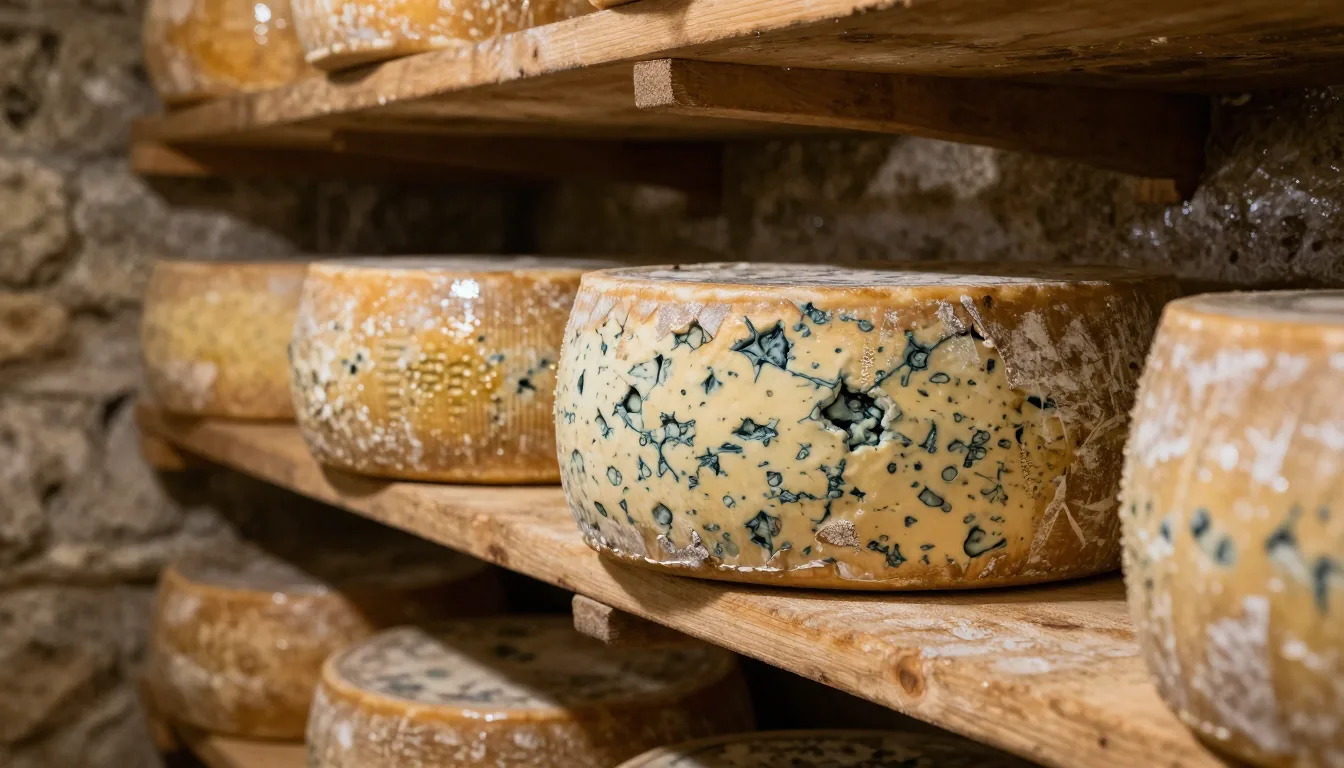
Fourme d’Ambert, milder and more buttery, is aged in damp caves that encourage Penicillium roqueforti growth. Serve it with honey-drizzled figs and a slice of rye bread.
Roquefort: The Pearl of Southern Caves
Roquefort-sur-Soulzon's limestone caves provide the perfect humidity for aging sheep's milk blue cheese. Roquefort's crumbly texture and sharp, salty profile are legendary.
Pair it with a sweet wine like Porto or a crisp Sauternes.
The bread choice matters: a slightly sweet brioche or a nutty walnut loaf balances the saltiness. Avoid overly crusty bread, which can overwhelm the delicate paste.
Even experienced tasters find this French cheese guide useful for mastering pairings.
Conclusion: Bringing the Board Home
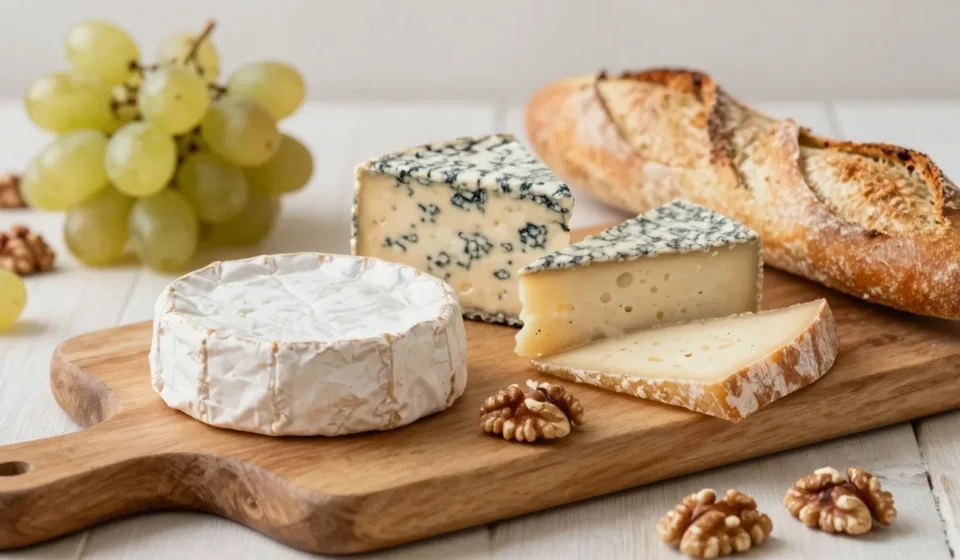
A French cheese board is a tapestry of textures and tastes. Start with soft, bloomy rinds, move to pressed or aged cheeses, and finish with a pungent blue.
This French cheese guide has taken you through seven iconic regions, each with unique characteristics.
Accompany your board with Gastronomy & Food articles that explore more pairings. For deeper tasting, visit Cheese.com or Wine Spectator for expert recommendations. Serve at room temperature, and let each bite tell the story of its region.