
The Journey Begins: From Cacao Pod to Fermented Bean
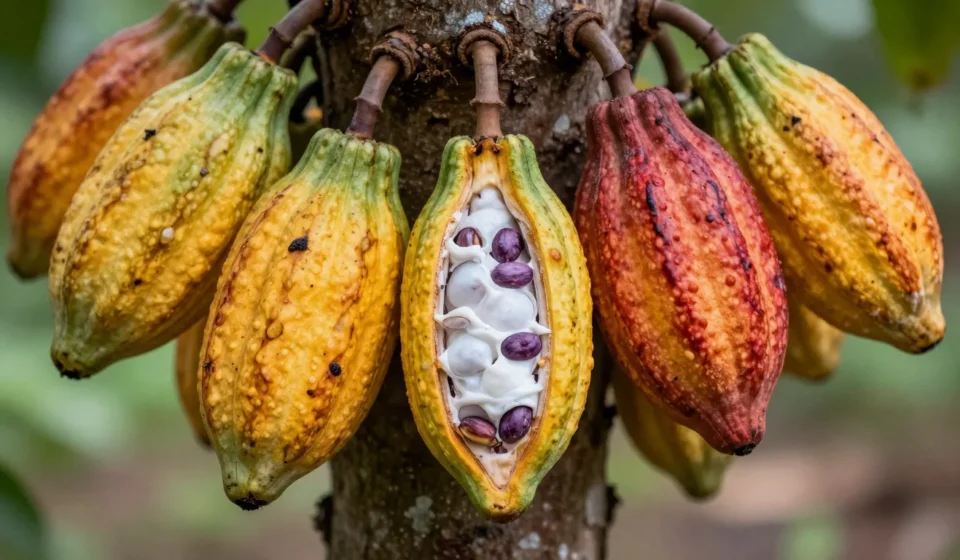
Chocolate flavor profiles begin their journey on a cacao tree in the tropics. The pods, bursting with sweet pulp and bitter seeds, are harvested by hand.
Fermentation is the first alchemical step: beans transform from inedible to aromatic within heaps of banana leaves.
During fermentation, yeasts and bacteria break down the pulp, generating heat and acids that seep into the beans. This process kills the germ and unlocks hundreds of flavor precursors.
Without proper fermentation, the resulting beans taste flat or vinegary.
Drying under the sun stabilizes the beans, reducing moisture for safe transport. At this stage, the bean's origin—its region, soil, and climate—already imprints a subtle fingerprint.
This is where chocolate flavor profiles begin their intricate development.
Roasting: The Alchemist’s Fire
Roasting is where the magic truly ignites. The beans are gently heated to develop the compounds that define each batch.
A light roast preserves fruity and floral notes, while a darker roast unveils smoky, nutty, and caramelized tones.
The temperature and duration must be precise; too high, and bitterness dominates. Master roasters taste beans from different origins to decide the optimal profile.
The goal is to balance acidity, bitterness, and sweetness—each a pillar of chocolate flavor profiles.
The Maillard Reaction and Beyond
During roasting, the Maillard reaction creates hundreds of volatile compounds. Amino acids and sugars combine to produce aromas of toast, vanilla, and red fruit.
This chemical choreography is the heart of flavor creation.
After roasting, the beans are cracked into nibs, which are then ground into a thick paste called cocoa liquor. This liquor contains both cocoa solids and cocoa butter.
The magic is only beginning.
Conching: The Dance of Texture and Taste
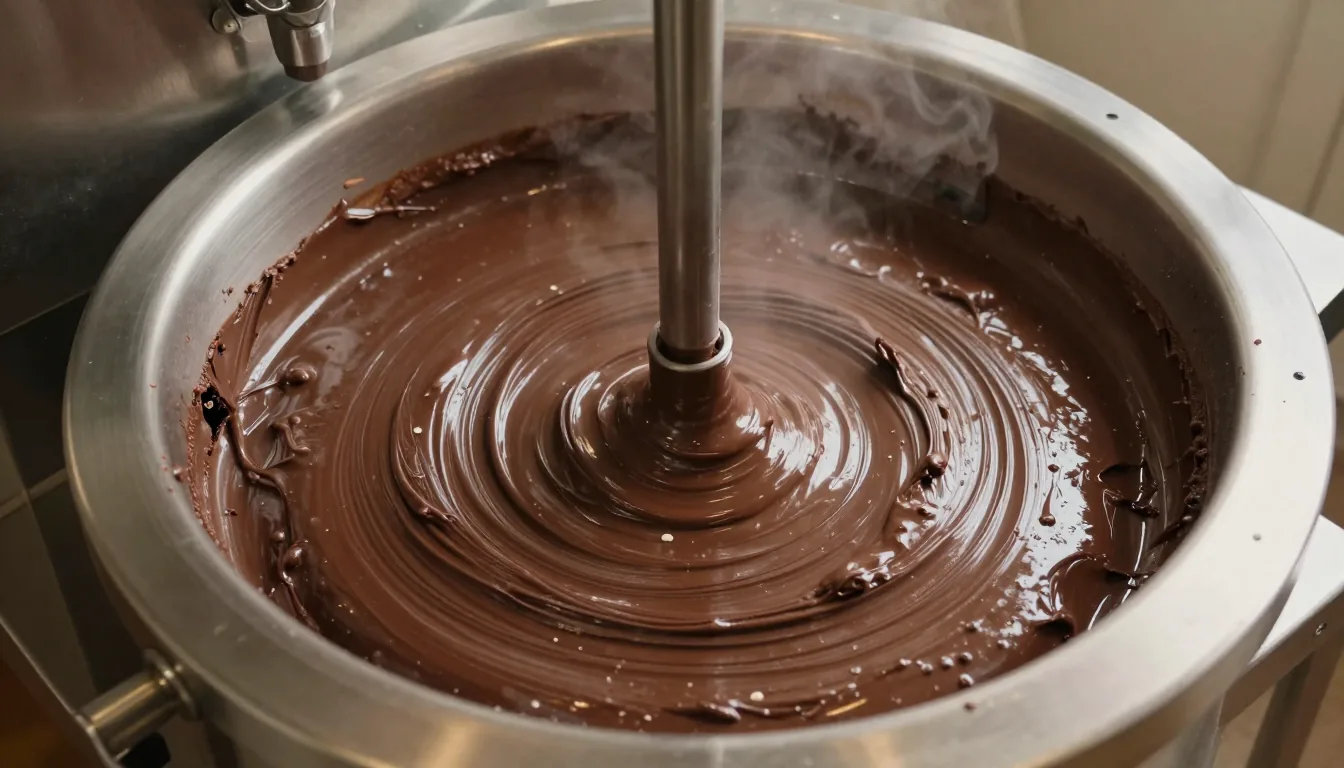
Conching is a prolonged mixing process that transforms gritty chocolate into a silky symphony. Heated rollers agitate the mass for hours—or even days—smoothing particles and dispersing cocoa butter.
This step refines both mouthfeel and flavor.
During conching, volatile acids evaporate, mellowing sharp notes. Additional cocoa butter may be added to improve fluidity.
The length of conching shapes the final profile: short conching preserves bright flavors, while extended conching develops round, mellow ones.
Temperature also plays a role; warm conching reduces viscosity and intensifies changes. Some artisan makers prefer lower temperatures to retain delicate floral or winey notes.
This is why two bars from the same beans can taste vastly different.
The Role of Origin: Terroir in Chocolate
Just as wine reflects its vineyard, chocolate reflects its cacao grove. Beans from Madagascar often bring bright citrus and red berry flavors.
Venezuelan cacao tends toward nutty and earthy profiles, while Ecuadorian beans offer floral and herbal complexity.
Even within a single country, microclimates and farming practices create distinct Gastronomy & Food wonders. The variety of cacao—Criollo, Forastero, Trinitario—adds another layer of genetic influence. Exploring chocolate flavor profiles from different origins is a journey around the world.
Understanding Chocolate Flavor Profiles Through Tasting
Tasting chocolate mindfully reveals its depth. Start by looking at the bar's surface—a glossy shine indicates proper tempering.
Break a piece and listen for a clean snap; this signals well-crystallized cocoa butter.
Place it on your tongue and let it melt slowly. Note the initial sensation: sweetness, acidity, or bitterness.
As it melts, volatile aromas rise to your nose. Finally, note the lingering finish—how long the flavors persist.
A single-origin bar from Peru might burst with blackberry and green tea, while one from Ghana offers bold, classic cocoa flavors. Compare them side by side to appreciate how chocolate flavor profiles vary.
Keep a journal of your findings.
Practical Tips for the Explorer
When buying craft chocolate, look for the percentage of cocoa content and the origin on the label. Avoid bars with added artificial flavors or excessive vanilla.
Try bars from different origins and roasting levels to expand your palate.
Pair chocolate with complementary foods: a fruity Madagascar bar with dried cherries, or a deep Venezuelan bar with roasted almonds. Wine and cheese also make excellent companions. For deeper dives, explore resources like the Chocolate Alchemy or the World Cocoa Foundation.
Ultimately, understanding chocolate flavor profiles is a sensory education. Each bar offers a snapshot of a specific place and process.
With practice, you will taste not just chocolate, but the story of its creation.