
Why Whole Spices Deserve Your Attention
Spices are the soul of cooking, but most home cooks unwittingly use stale, pre-ground versions. The difference between a freshly toasted cumin seed and a jar of powder is night and day, and understanding spice toasting grinding techniques can elevate every dish you make.
This comprehensive guide covers everything from toasting to storage.
Whole spices lock in volatile oils that evaporate quickly after grinding. Toasting these seeds or pods releases their aromatic compounds and adds depth.
The process is simple but requires precision to avoid bitterness.
Before we explore methods, know that storage is equally critical. Light, heat, and air are enemies of spice freshness.
Proper handling ensures your investment in quality spices pays off.
Dry vs Oil Toasting Methods
Dry Toasting on the Stovetop
Place whole spices in a heavy skillet over medium heat. Shake the pan constantly to prevent burning.
Within 30 seconds to 2 minutes, you will smell their fragrance intensify.
Remove them immediately to a cool plate to stop cooking. Over-toasting creates acrid flavors that ruin a dish.
Practice with cumin, coriander, fennel, and mustard seeds first.
Toasting in Oil for Pastes
Some cuisines bloom spices in hot oil to create a base for curries or stews. This method extracts fat-soluble compounds and infuses the entire dish.
Use a neutral oil like coconut or sunflower.
Add whole spices to hot oil and stir for 10–15 seconds. Then add aromatics like onion or garlic.
This quick toasting unlocks layers of flavor that are impossible with pre-ground spice.
Mastering these spice toasting grinding methods will transform your dishes. The aroma alone will impress guests.
With practice, your spice toasting grinding skills will improve.
Grinding Methods to Preserve Aroma
Mortar and Pestle for Small Batches
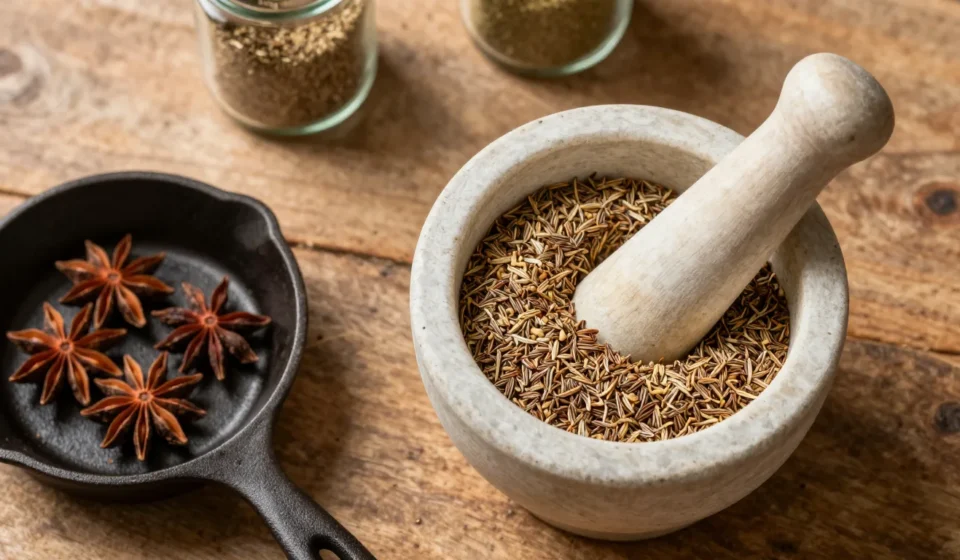
A traditional mortar and pestle provides control and a rustic grind. It also releases oils without overheating, preserving delicate notes.
Ideal for spices you use daily like black pepper or cardamom.
Crush in a circular motion, not a pounding motion, to avoid shattering seeds irregularly. For fine powder, continue grinding patiently.
This tool connects you to centuries of spice traditions.
Electric Grinders for Efficiency
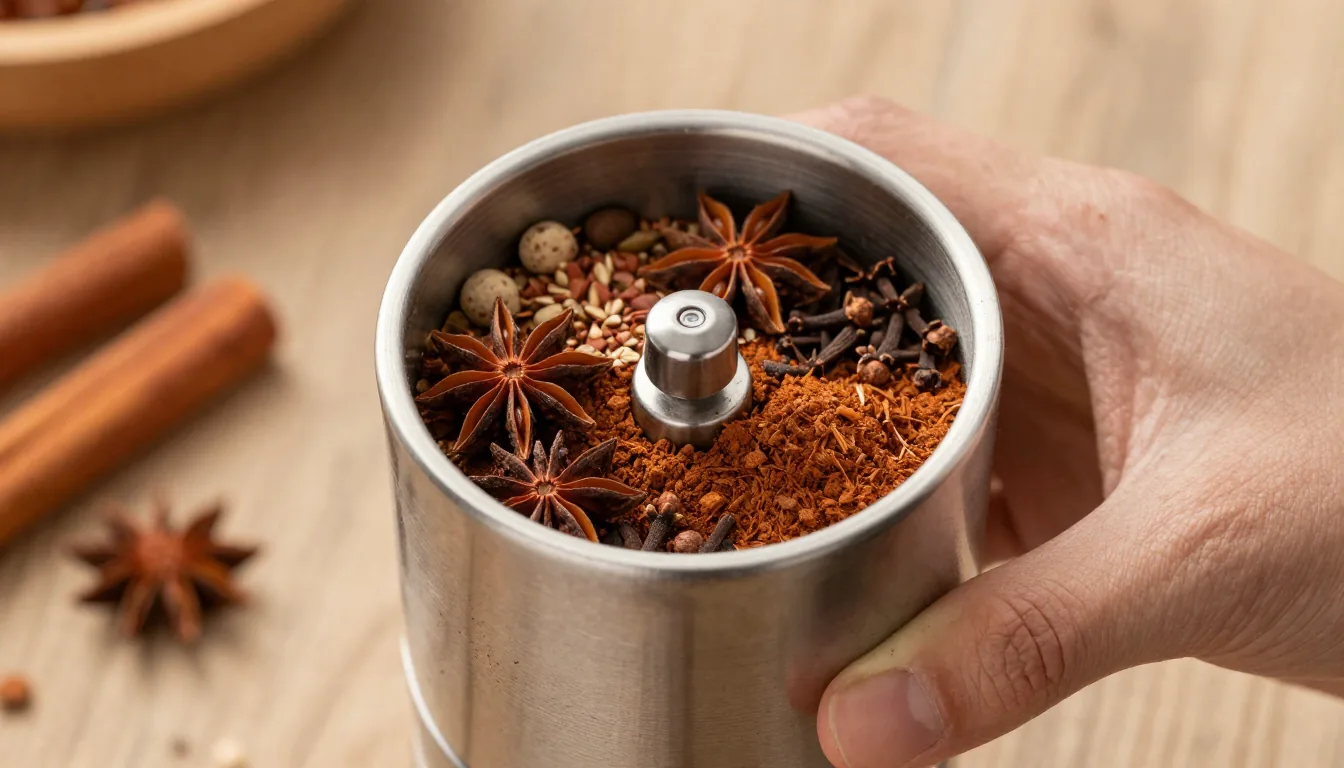
An electric coffee grinder dedicated to spices is fast and consistent. Grind in short pulses to avoid heat buildup, which can ruin volatile oils.
Let the grinder rest between bursts.
Clean your grinder between spices by grinding raw rice, then wiping with a dry cloth. This prevents flavor cross-contamination.
Never grind wet spices—they will gum up the blades.
Proper spice toasting grinding techniques ensure you get the most flavor from every seed. Always grind just before cooking for best results.
Spice toasting grinding is a skill that improves with each batch. Start with small amounts to avoid waste.
Common Mistakes in Spice Toasting Grinding
Skipping the toasting step is a common error; pre-ground spices lack the depth that toasting provides. Always toast whole spices just before grinding for maximum impact.
Avoid these pitfalls to perfect your spice toasting grinding routine.
Another mistake is grinding too fine for certain dishes. Coarse grinds work better for infusions or rubs.
Adjust your technique based on the recipe requirements.
Storing spices in the open or near heat sources also diminishes their potency. Always transfer spices to airtight containers immediately after grinding.
This prevents oxidation and flavor loss.
Storage Secrets for Long-Lasting Spices
Containers and Environment
Store whole and ground spices in airtight glass jars away from sunlight; a cool, dark cupboard is perfect. Avoid storing above the stove or near the oven—heat accelerates staling.
After perfecting your spice toasting grinding process, storage is the final piece.
Label jars with purchase dates. Whole spices last 2–4 years, ground spices only 6–12 months.
Keep a small working supply and store bulk in the freezer for maximum freshness.
Testing Freshness
Rub a small amount between your fingers and smell. If the aroma is weak or musty, it is time to replace.
Trust your senses—vivid color and strong scent indicate good condition.
Buy whole spices in small quantities from reputable sources. Frequent purchases ensure you always have potent spices.
Avoid bulk bins where spices may have sat for months.
Conclusion: Embrace the Ritual
Toasting, grinding, and storing spices is not a chore—it is a culinary art. Each step contributes to the final flavor of your food.
Take time to practice these techniques, and your cooking will transform.
Remember, the art of spice toasting grinding is a lifelong journey. For more insights on elevating your kitchen skills, explore our Gastronomy & Food archive. Also, check out Serious Eats’ guide and The Spruce Eats on toasting for further reading.