The Secrets of Slow Cooking: How Braising, Stewing, and Confit Transform Tough Cuts

The Science Behind Low-Temperature Cooking
At its core, slow cooking science revolves around the gentle transformation of collagen into gelatin. Tough cuts like chuck or brisket are rich in connective tissue, which requires sustained heat to break down. Low temperatures, typically between 160°F and 200°F, allow enzymes to act without toughening proteins.
Collagen to Gelatin: The Tenderness Transformation
Collagen is a long, fibrous protein that unwinds when heated slowly. As it converts to gelatin, it traps moisture and creates a silky mouthfeel.
This process also releases amino acids that deepen savory notes.
Braising: Moist Heat and Flavor Depth
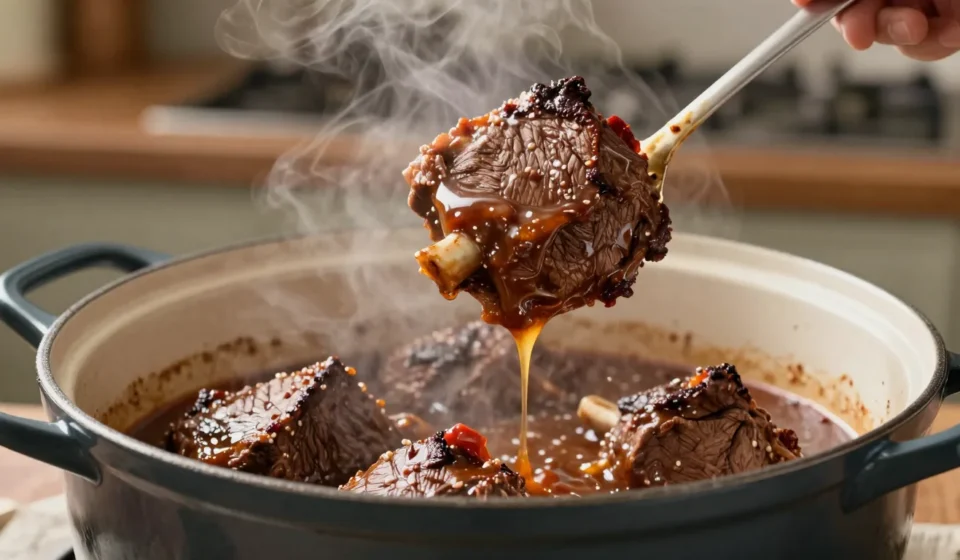
Braising starts with searing to develop a crust via the Maillard reaction, then finishes in a covered pot with a small amount of liquid. The combination of radiant and moist heat ensures even cooking and flavor concentration.
As the liquid simmers, it extracts collagen, gelatin, and aromatic compounds.
Choosing the Right Liquid
Stock, wine, or beer adds acidity that helps break down fibers. The evaporating alcohol carries flavor compounds, while the remaining liquid develops a complex sauce.
Avoid boiling; a gentle bubble is key.
Stewing: The Art of Submersion
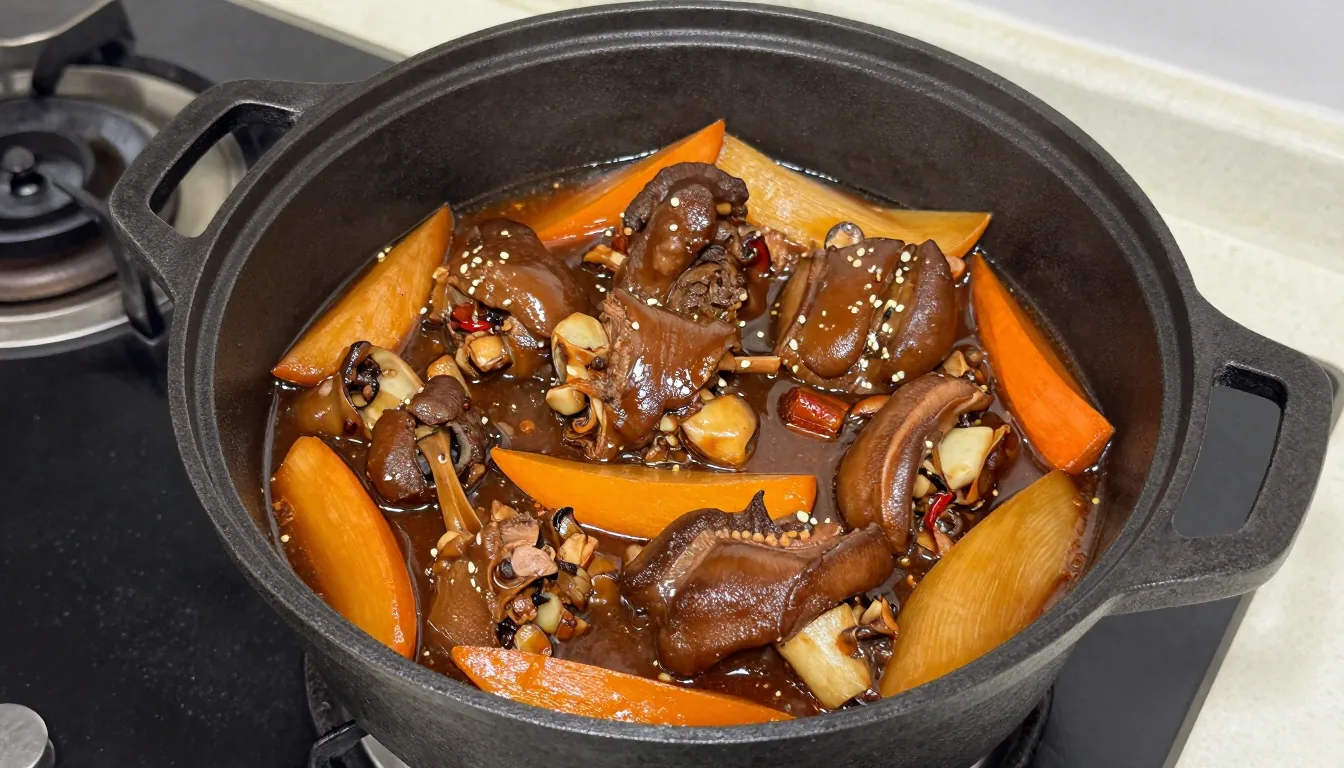
Unlike braising, stewing fully submerges ingredients in liquid. This method works well for smaller, uniform pieces, ensuring each morsel absorbs flavor.
The lower temperature prevents protein shrinkage, keeping meat succulent.
Thickening Strategies
Flour or cornstarch can be added at the end, but a longer simmer naturally thickens via gelatin release. Stews improve as they rest, allowing flavors to meld overnight.
Confit: Preserving in Fat
Confit is an ancient technique where meat is slowly cooked in its own fat, then stored in it. The low temperature (around 200°F) gently tenderizes while the fat prevents drying.
Duck confit is the classic example, but vegetables and seafood also benefit.
Temperature Control Matters
Too hot and the fat will spoil or the meat will toughen. A thermometer is essential; keep the fat between 180°F and 200°F for optimal results.
Mastering the Temperatures for Perfect Results
Each method requires precision. Braising works best at 180–190°F, stewing at a gentle simmer (185°F), and confit at 190–200°F. Using a probe thermometer takes the guesswork out of Gastronomy & Food mastery.
The Principles of Slow Cooking Science
Understanding slow cooking science means appreciating how heat and time interact with proteins. For example, sous-vide cooking applies the same principles with precise temperature control. This technique locks in moisture and yields exceptionally tender results.
Selecting the Best Cuts
Look for cuts with ample marbling and connective tissue, like short ribs or pork shoulder. These benefit most from prolonged cooking and reward you with rich flavor.
Lean cuts dry out quickly, so choose wisely.
Enhancing Flavor Through Aromatics
Onions, garlic, and herbs release volatile compounds that infuse the cooking liquid. Sauté them before adding liquid to build a deeper flavor base.
This simple step elevates any braise or stew.
The principles of slow cooking science also explain why acidic ingredients like tomatoes help break down collagen faster. Adding a splash of vinegar or wine not only adds flavor but also speeds up the conversion of tough fibers into tender gelatin.
For more on the chemistry of cooking, Serious Eats’ Food Lab is a trusted resource. Cook’s Illustrated also offers rigorously tested techniques. This scientific study explores collagen breakdown kinetics.
Slow cooking rewards patience with texture and flavor that no quick method can replicate. Embrace the long simmer, and your palate will thank you.
The enzymatic action during slow cooking science not only tenderizes but also unlocks umami compounds. Glutamates and nucleotides increase, making dishes deeply satisfying.
That is why a well-made stew tastes richer the next day.
Always allow meats to rest after cooking to redistribute juices. Then serve with reduced cooking liquid as a sauce.
The gelatin content gives it a silky body that clings beautifully to each bite.
Additionally, the carryover cooking effect during resting contributes to final tenderness. The residual heat continues to break down remaining collagen, making the meat even more succulent.
This is another benefit of slow cooking science—the process doesn't stop when the heat is turned off.