
Why Food Plating Techniques Matter in Modern Gastronomy
Food plating techniques are the bridge between cooking and art. A beautifully arranged dish tells a story before the first bite.
Chefs know that visual appeal heightens flavor perception, making diners more receptive to taste.
Whether you're a home cook or aspiring chef, mastering food plating techniques elevates your meals. The principles are simple: balance, contrast, and harmony.
But applying them requires practice and an eye for detail.
Foundational Principles of Plate Composition
Start with the plate as your canvas. Mastering food plating techniques begins with choosing white or neutral colors to make ingredients pop.
Consider the rule of thirds: imagine the plate divided into sections, placing the main element off-center for dynamic tension.
Balance textures and colors. Pair creamy with crunchy, bright with earthy.
Use negative space to avoid clutter—let the food breathe. A cluttered plate overwhelms the eye.
Creating Height and Dimension
Stacking elements adds elegance. Use ring molds for neat layers, or spoon dollops of purée beneath proteins.
Height draws the eye upward, signaling sophistication.
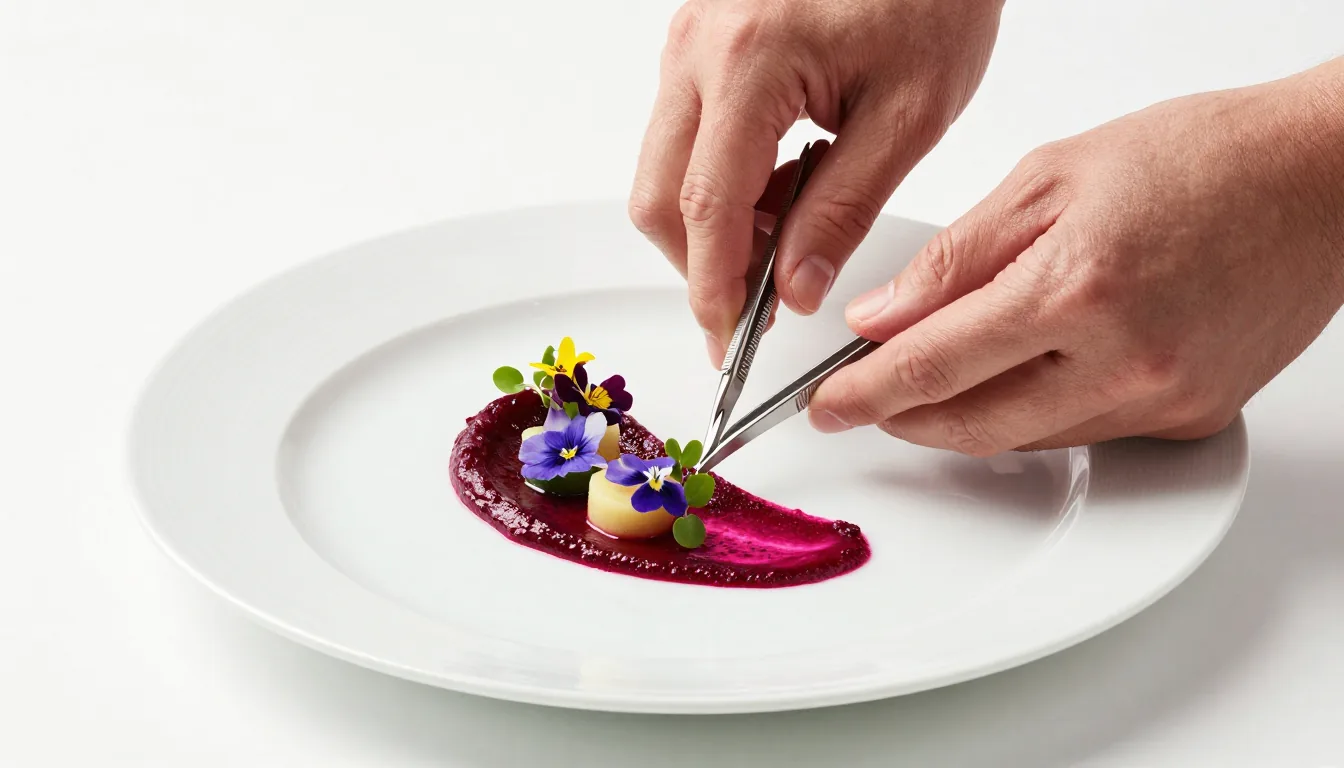
Avoid flat arrangements. Tilt ingredients, lean vegetables against meat, or use tweezers for precision.
The goal is a sculptural quality that feels intentional.
Color and Contrast: The Chef’s Palette
When applying food plating techniques, color contrast is key. Color psychology influences appetite; reds and oranges stimulate hunger, greens signify freshness.
Use a variety of hues to make the plate vibrant. A monochromatic dish can be striking, but only if textures contrast sharply.
Add pops of color with edible flowers, microgreens, or vibrant sauces. Remember that brown or beige foods need bright accents.
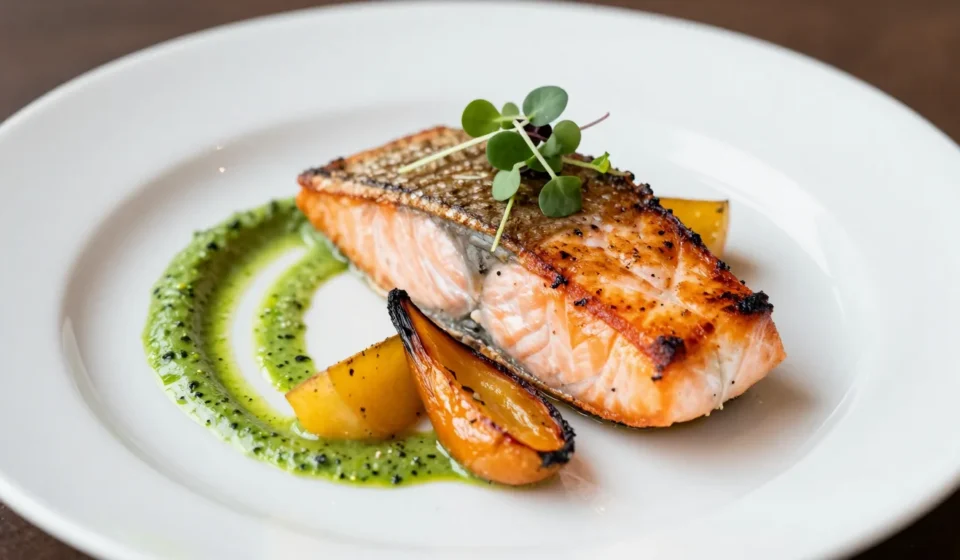
For instance, a seared steak gains visual lift from a bright chimichurri and yellow squash ribbons.
Texture as a Visual Element
Texture isn't just for mouthfeel—it's visual. Smooth purées, crunchy tuiles, tender proteins, and crisp salads create a tactile preview.
Arrange contrasting textures close together to invite exploration.
Use garnishes like fried shallots or sesame seeds to add crunch. Drizzle oil in a pattern to catch light.
Every element should earn its place on the plate.
Saucing Techniques for Elegance
Saucing is a crucial component of food plating techniques. Use a squeeze bottle for precision, or a spoon for a swoosh.
Classic techniques include the offset smear, dots, and streaks. Avoid flooding the plate—sauce should complement, not bury.
Consider using a palette knife to spread sauces asymmetrically. For fine dining, plate sauce first and build ingredients on top.
This creates a cohesive base that ties flavors together.
The Art of the Garnish
Garnishes should be edible and purposeful. Microgreens add freshness, herb oils add color, and edible flowers add whimsy.
Chop herbs finely and sprinkle just before serving to preserve vibrancy.
Avoid over-garnishing. A single mint leaf or a few chive cross-sections can be more powerful than a pile of sprouts.
Ask yourself: does this garnish enhance the dish or distract?
Tools of the Trade
Essential plating tools include tweezers, offset spatulas, ring molds, and squeeze bottles. A good quality plate warmer prevents food from cooling too fast.
Invest in a few unique plates—asymmetrical or slate boards add modern flair.
Practice on a flat surface before the real meal. Use wet paper towels to keep garnishes fresh.
And always clean the plate rim—fingerprints and drips ruin the illusion.
For more inspiration, explore our Gastronomy & Food section. Professional chefs like those at Fine Dining Lovers and Great British Chefs offer extensive tutorials on plating and presentation.
Putting It All Together
Start with one technique per dish: focus on height, then color, then sauce. Consistent practice of food plating techniques builds skill.
Photograph your plates to analyze composition. Soon, you'll develop an intuitive sense for balance.
Remember, food plating techniques are not about perfection but expression. Let your personality shine through every arrangement.
The most memorable plates are those that reflect the cook's passion.