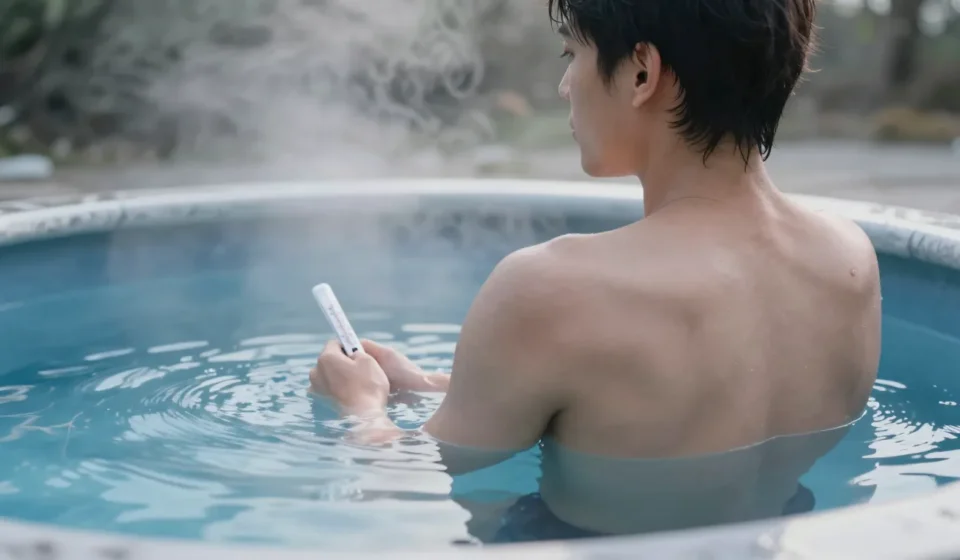

The Science of Cold Exposure Therapy: Inflammation, Metabolism, and Longevity
Cold exposure therapy, often practiced through cold plunges or ice baths, has gained popularity for its potential health benefits. Research suggests that regular cold exposure can reduce chronic inflammation, boost metabolism by activating brown adipose tissue, and even promote longevity through hormetic stress responses.
When you immerse in cold water, your body releases anti-inflammatory cytokines and reduces oxidative stress markers. A 2018 study in PLOS One found that cold water swimmers had lower levels of uric acid and improved lipid profiles. These effects may help mitigate age-related inflammation.
Beyond inflammation, cold exposure therapy enhances mood by triggering dopamine release. A 2022 review in Neuroscience & Biobehavioral Reviews highlighted that regular cold plunges can alleviate depression and anxiety. The shock of cold water activates the sympathetic nervous system, leading to a lasting sense of alertness and well-being.
Metabolic Boost and Brown Fat Activation
Cold exposure stimulates brown adipose tissue (BAT), which burns calories to generate heat. Over time, this can improve insulin sensitivity and glucose metabolism. A landmark study in The Journal of Clinical Investigation showed that repeated cold exposure increased BAT volume and activity in humans.
Higher BAT activity is linked to lower body fat percentage and better glycemic control. For individuals with metabolic syndrome, cold exposure therapy may offer a non-pharmacological intervention.
A Harvard Health article describes how cold exposure activates brown fat, potentially aiding weight management.
Longevity Through Hormesis
Cold stress acts as a hormetic trigger, activating cellular repair pathways like autophagy and sirtuins. While direct longevity studies in humans are limited, animal models suggest that cold exposure extends lifespan. For more on hormesis, visit our Health & Wellness archive.
The concept of hormesis explains why mild stress from cold exposure can strengthen the body's resilience. This principle is also observed in exercise and intermittent fasting.
By challenging the body, you build adaptive capacity that may slow aging processes.
Safe Protocols for Cold Plunges
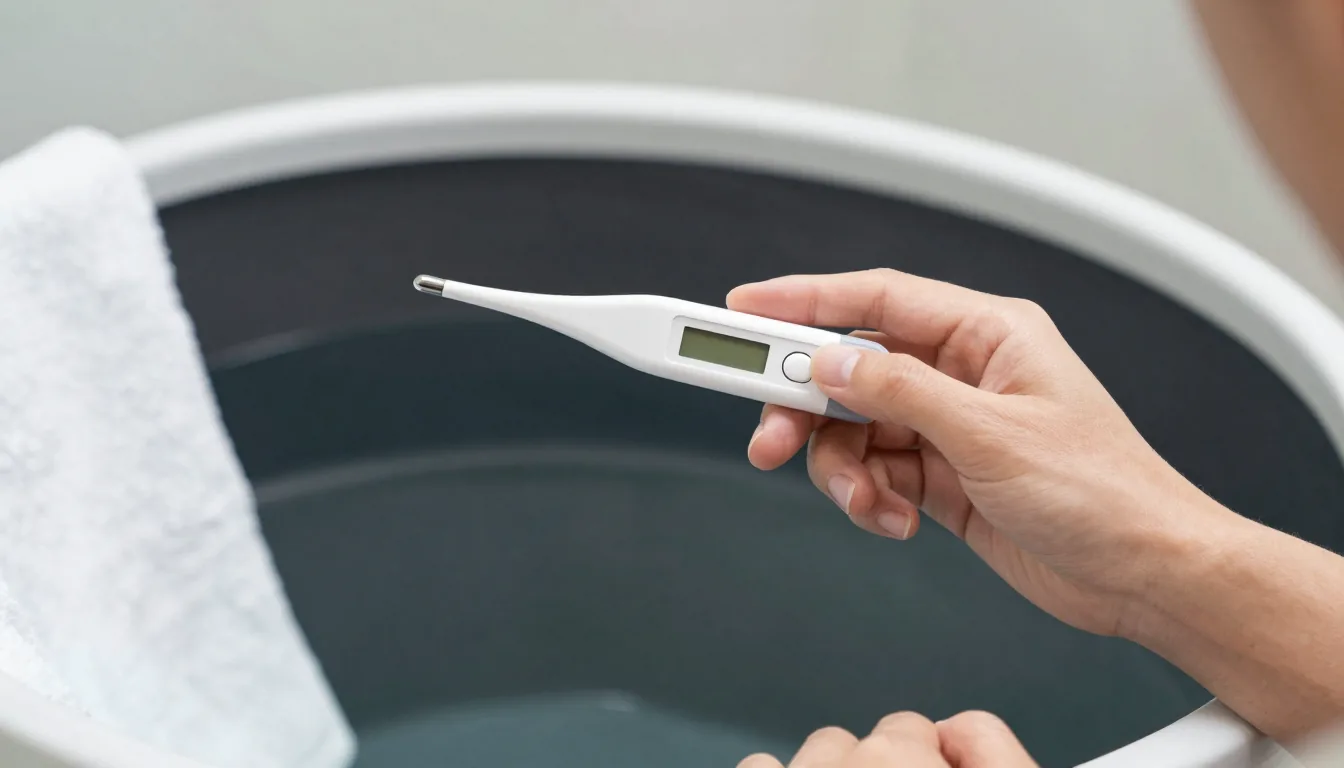
To reap benefits safely, start gradually. Begin with 30–60 seconds at 50–60°F (10–15°C) and slowly increase to 2–5 minutes.
Always listen to your body—never push through numbness or severe discomfort.
Avoid cold plunges if you have cardiovascular conditions, uncontrolled hypertension, or are pregnant. Warm up naturally afterward; avoid hot showers immediately to prevent blood pressure swings.
Consistency matters: 3–4 sessions per week yield best results.
Combine cold exposure with deep breathing to manage the shock response. A 2021 review in Physiology & Behavior emphasizes that controlled breathing reduces the risk of adverse events. Popular methods include the Wim Hof breathing technique or simple box breathing.
For optimal safety, always have a partner present during your cold plunges. Keep a towel and warm clothing nearby.
If you feel dizzy or overly cold, exit immediately and dry off. Over time, your body will adapt, and you can extend the duration.
Key Takeaways for Beginners
- Start with short durations (30 sec) and comfortable temperatures (60°F).
- Never plunge alone; have a buddy or monitor nearby.
- Dry off and dress warmly immediately after.
- Check with your doctor if you have health concerns.
- Breathwork can make the experience more tolerable and safe.
If you are new to cold exposure therapy, consider starting with cold showers before progressing to full immersion. A study from Medical Hypotheses suggests that gradual adaptation improves compliance and reduces the shock response. Listen to your body—it is the best guide.
Many enthusiasts report improved sleep quality and faster muscle recovery after regular cold plunges. These benefits, combined with the anti-inflammatory effects, make cold exposure a valuable addition to a holistic health routine.
As always, consult a healthcare professional before starting any new wellness practice.