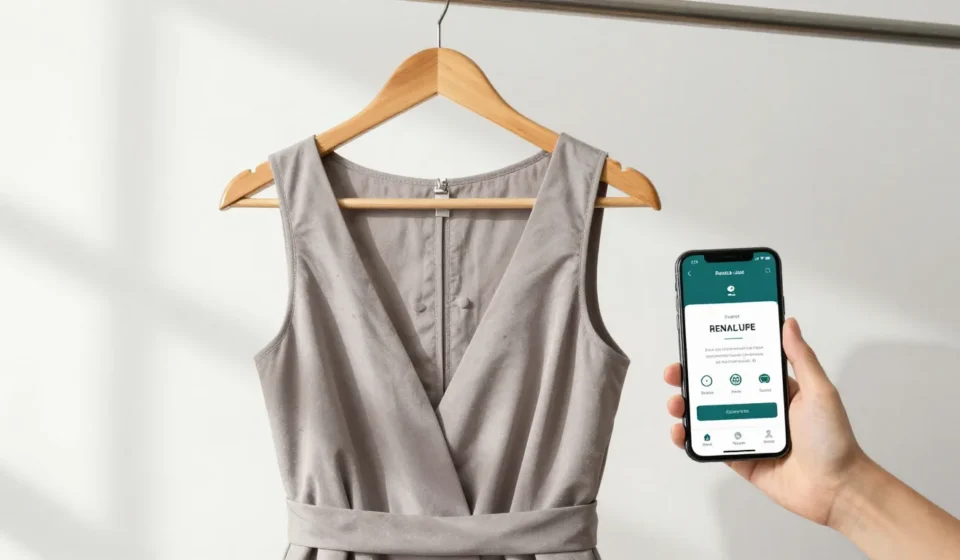

The Problem with Linear Fashion
The fashion industry churns out over 100 billion garments yearly, yet most end up in landfills within a year. The circular fashion industry aims to change this by keeping materials in use.
This linear model is responsible for 10% of global carbon emissions and vast water pollution.
The Ellen MacArthur Foundation reports that the equivalent of one garbage truck of textiles is landfilled every second. A shift to circular practices could cut emissions by 44% by 2030.
But can rental, repair, and recycling truly scale? Let's examine the most promising circular models and what consumers can do right now.
The Circular Fashion Industry: Key Models
Several business models are emerging within the circular fashion industry. Each addresses different parts of the garment lifecycle, from production to end-of-life.
Rental platforms allow users to borrow outfits, reducing demand for new production. Repair services extend garment life, while recycling turns old clothes into new fibers.
These models aim to decouple growth from resource consumption.
Clothing Rental: Sharing Instead of Buying
Rental platforms like Rent the Runway and HURR Collective let users borrow clothes for events or daily wear. A single rented garment can displace up to 20 purchases over its lifecycle.
However, logistics and dry cleaning impacts remain challenges; some rental services use eco-friendly methods to mitigate this.
To maximize benefits, choose local rental services to cut shipping emissions. Also, avoid renting items you'd only wear once—borrow from friends instead.
Rental extends the useful life of garments, reducing the need for virgin materials.
Repair Services: Extending Garment Life
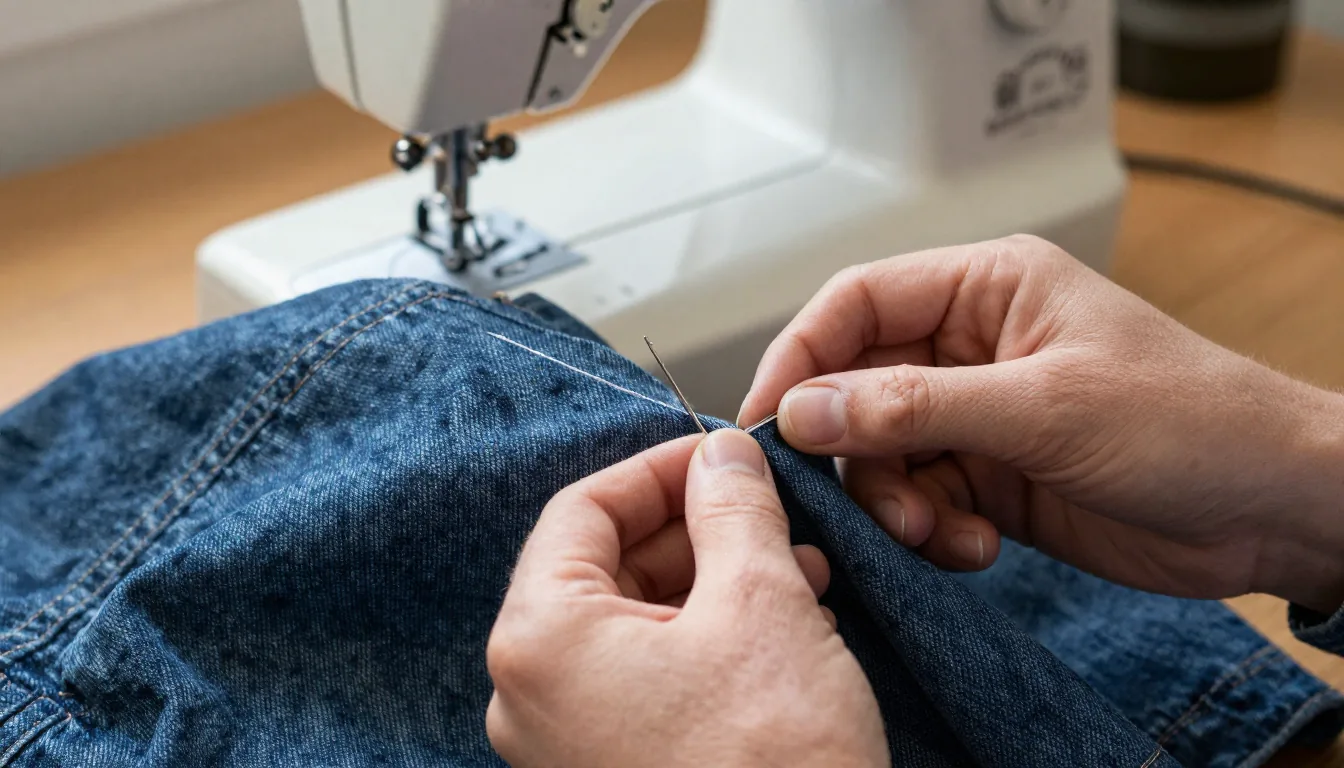
Repair is the simplest circular strategy within the circular fashion industry. Extending a garment's life by nine months reduces its carbon footprint by 20–30%.
Brands like Patagonia and Nudie Jeans offer free repairs, while independent tailors and online tutorials make DIY fixes accessible.
Yet, fast fashion's low prices discourage mending. Consumers can start by learning basic stitches for loose buttons or small tears.
For complex repairs, seek local alteration shops or repair cafes that offer free help, fostering community engagement.
Textile Recycling: Closing the Loop
Mechanical recycling shreds fabrics into fibers for insulation or lower-grade textiles, but quality degrades. Chemical recycling, still emerging, can break down polyester and cotton into virgin-like fibers.
Companies like Renewcell and Evrnu are scaling this technology.
Only 1% of clothing is currently recycled into new garments. To support recycling, donate clean clothes to take-back programs from brands like H&M or Levi's.
Avoid throwing textiles in trash; use municipal textile bins. Future innovations may include fiber-to-fiber recycling that maintains quality, but investment is needed.
The Road Ahead for Circular Fashion
Despite progress, the circular fashion industry faces hurdles such as high costs, consumer behavior, and infrastructure gaps. However, with growing awareness and technology, the future looks promising.
For example, the EU's Strategy for Sustainable Textiles aims to make all textiles durable, repairable, and recyclable by 2030. Similarly, brands are investing in take-back programs and resale platforms.
Consumers have the power to accelerate this transition by making conscious choices.
What Consumers Can Do Today
- Buy less, choose well: Prioritize durable, timeless pieces over trends. This reduces the burden on the circular fashion industry.
- Rent or swap: Use rental platforms or host clothing swaps with friends.
- Repair before replace: Learn basic repairs or use professional services.
- Recycle responsibly: Only 15% of textile waste is collected; ensure yours ends up in proper streams.
Each small action contributes to a larger shift towards sustainability. No single solution will fix fashion's waste problem.
But combined, rental, repair, and recycling can significantly reduce the industry's footprint. The circular fashion industry needs consumer demand to grow.
Start with one change—like mending a shirt or renting a dress—and build momentum. For deeper insights, check out the Ellen MacArthur Foundation’s fashion report and WRI circular fashion insights.