
The Foldable Phone Durability Problem That Won’t Go Away
Foldable phone durability is the single biggest reason to hold off on buying one. Despite years of refinement, the mechanical hinges and flexible displays introduce failure points that traditional smartphones simply don't have.
Manufacturers' claims of "200,000 folds" sound impressive, but real-world usage involves dust, drops, and daily wear that lab tests can't replicate.
Visible Crease and Display Scratches
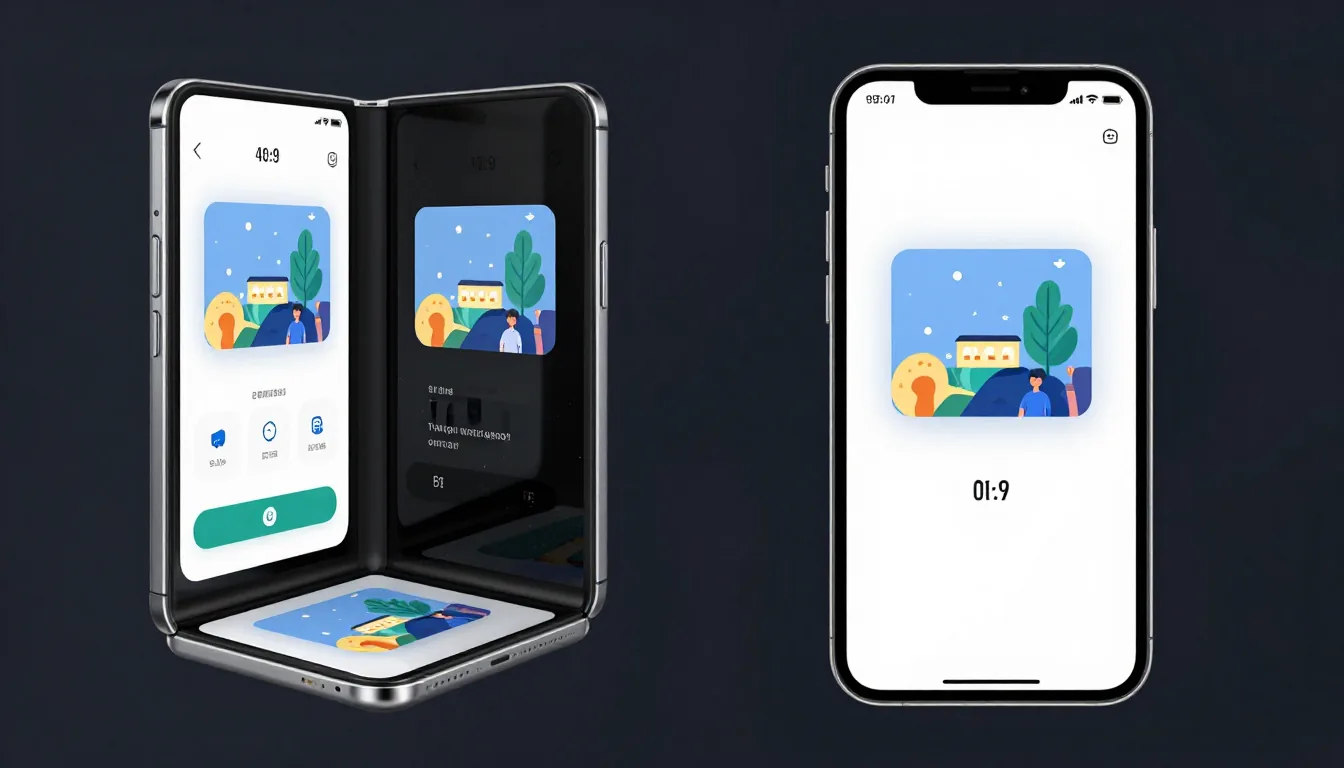
Every foldable on the market develops a visible crease down the center of the screen after limited use. Even the latest Samsung Galaxy Z Fold 5 and Google Pixel Fold show a prominent line that catches light and disturbs content viewing.
For users prioritizing long-term foldable phone durability, the crease is a constant visual reminder of the technology's compromises.
The plastic-based cover layer is also far softer than Gorilla Glass, scratching from fingernails or even a light swipe with a grain of sand. This means even careful users must accept that foldable phone durability is not on par with traditional smartphones.
Hinge Reliability Over Time
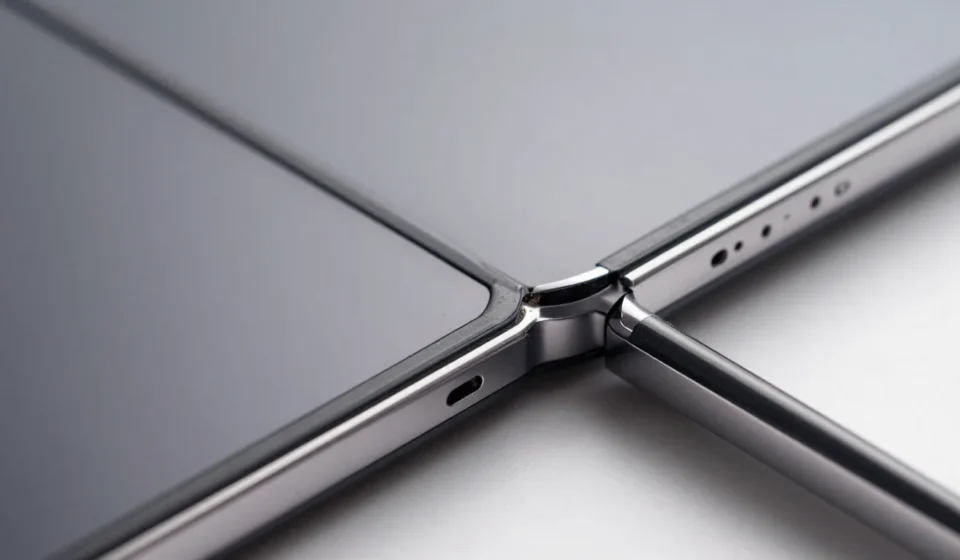
Hinges accumulate dust and lint, leading to audible crunching or resistance when opening. Some units develop play – a slight wobble when half-open – indicating internal wear.
While IPX8 water resistance is now common, dust ingress remains unaddressed; no foldable carries an official dust protection rating.
Repairing a damaged hinge often requires replacing the entire display assembly, costing hundreds of dollars. Over time, the hinge mechanism can develop play, and the folding display's protective layer may peel at the edges.
These are classic foldable phone durability concerns that remain unaddressed in current generations.
Software Still Plays Catch-Up
Android 14 and 15 have improved multi-window support, but many third-party apps still don't adapt well to foldable screens. You'll often see stretched layouts, hidden UI elements, or apps that simply refuse to rotate properly.
Google's own apps handle the transition best, but the broader ecosystem lags.
Tech & Gadgets reviews have repeatedly noted that switching between inner and outer displays can cause apps to reset or lose state – a frustrating interruption during daily use. Software optimization also indirectly affects foldable phone durability, as forcing apps to redraw repeatedly can strain the already fragile display layers.
Multitasking Limitations
While foldables excel at running two apps side by side, the small outer screen is often too narrow for comfortable typing. App pairs don't always persist after closing the device, and dragging and dropping between windows remains hit-or-miss.
For power users, these inconsistencies undermine the productivity promise.
Repairability and Cost of Ownership
iFixit gave the Galaxy Z Fold 5 a repairability score of 5 out of 10, citing the difficulty of replacing the inner display without damaging the frame. A professional repair can cost over $500 – often approaching the price of a premium slab phone. Battery replacements are similarly complex due to the dual-cell design.
Warranty coverage for foldable screens is stingy: Samsung covers one free screen replacement within the first year, but only if you don’t have a single scratch on the protective layer. After that, you’re on the hook. The Verge’s long-term review noted that even careful users end up with micro-scratches that void the warranty.
The high cost of repair is a direct consequence of foldable phone durability issues, as even a minor scratch can compromise the screen’s integrity.
Resale Value Plummets
Foldable phones depreciate faster than traditional flagships. A quick search on Swappa shows that one-year-old foldables sell for 40–50% of their launch price, compared to 60–70% for iPhone or Galaxy S series.
Buyers perceive the risk of future hinge or screen failure, hurting demand.
Final Verdict: Wait for Generation 4
Current foldable phones are impressive engineering experiments, but they’re not yet mature enough for the average consumer. The best foldables still compromise on durability, software polish, and repairability. Unless you’re an early adopter willing to accept the trade-offs, hold off until the next wave addresses these fundamental issues.