
LSD vs Open Differential: Why Choice Matters for Performance Driving
When it comes to extracting maximum cornering speed and traction, the type of differential you choose is critical. In the debate of LSD vs open differential, the limited-slip unit offers a clear advantage for enthusiasts who demand predictable power delivery and minimized wheelspin.
An open differential sends torque to the wheel with the least resistance, causing the inside wheel to spin under hard cornering. This wastes power and compromises stability.
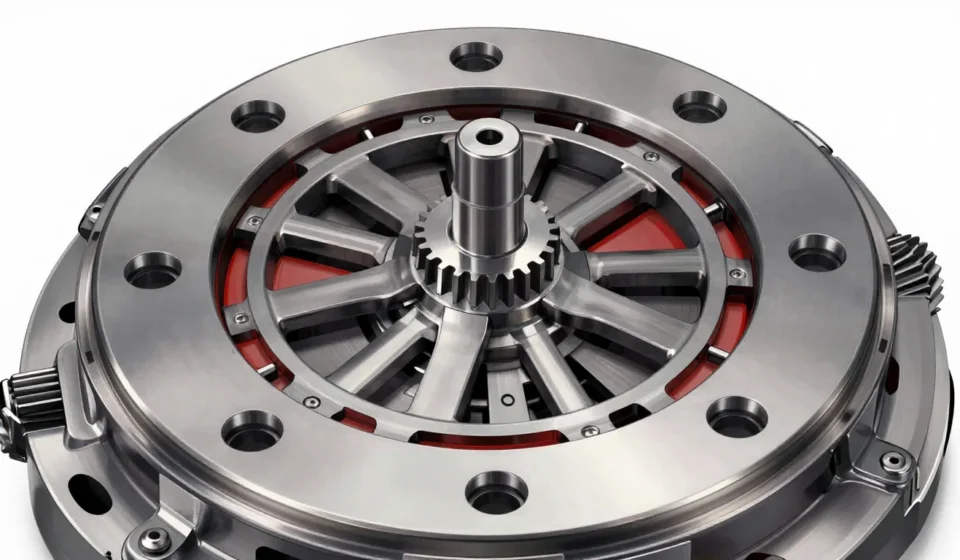
On a dry track, an LSD can reduce lap times by 1–3 seconds per minute by putting power down earlier. The mechanical engineering behind these devices is straightforward: an LSD uses clutches, cones, or gears to transfer torque to the wheel with more grip.
This direct approach transforms how a car behaves through tight turns and on exits. The LSD vs open differential debate centers on torque transfer efficiency.
How Open Differentials Limit Traction in Corners
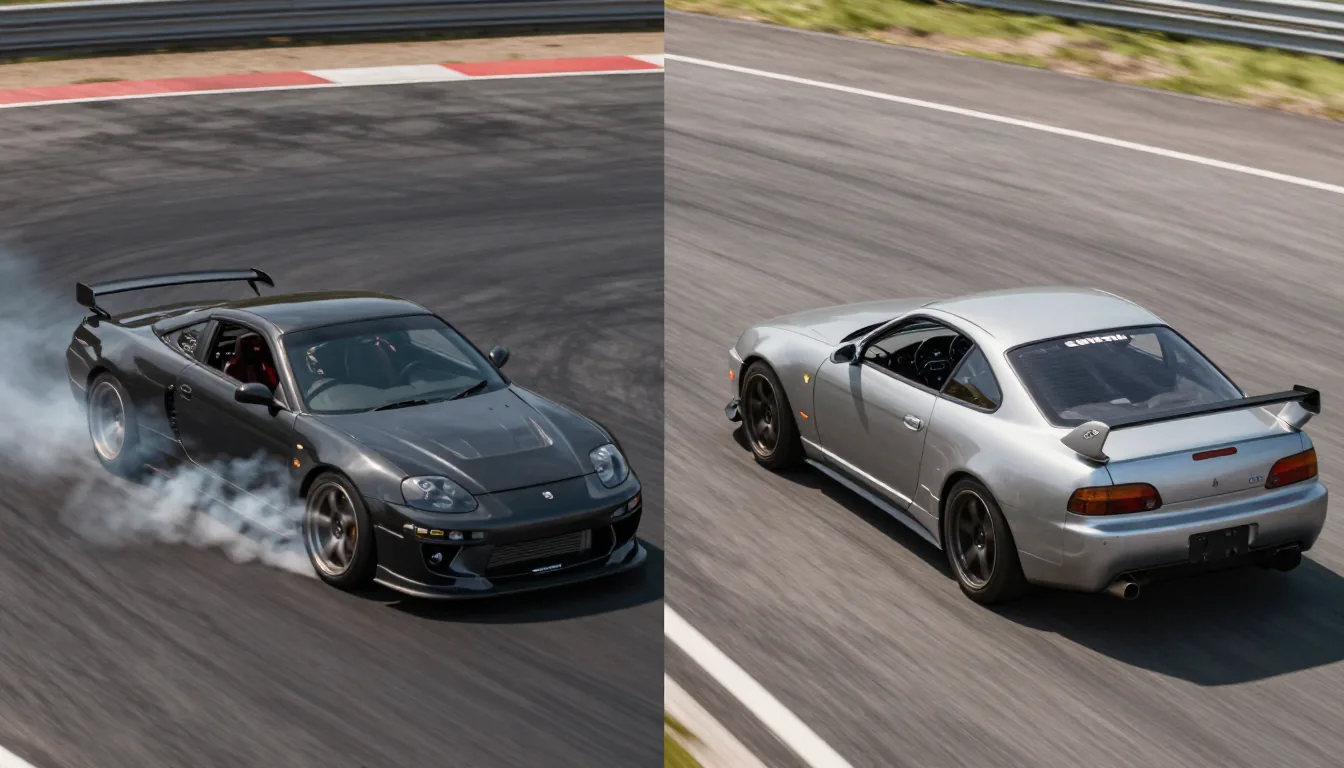
An open differential is the standard fitment in most passenger cars because it is cheap and smooth for daily driving. However, its fundamental flaw is that it always splits torque 50/50 but delivers power to the wheel that spins easiest.
In a corner, the inside wheel unweights and loses grip, causing the differential to route torque there. The outcome is a dramatic loss of drive and a tendency for understeer or a one-wheel peel.
This is the fundamental weakness of an open diff compared to LSD. The LSD vs open differential comparison highlights this traction gap.
This phenomenon is especially noticeable on wet roads or loose surfaces. The lack of traction forces the driver to wait longer before applying throttle, costing valuable tenths.
From an engineering perspective, an open diff is a torque-vectoring device that works against performance goals.
LSD Torque Transfer Mechanism
A limited-slip differential partially locks the two output shafts, allowing a torque bias of up to 4:1 or more. When one wheel begins to slip, internal friction within the LSD resists that slip and transfers torque to the wheel with grip.
This gives the driver the ability to power out of corners earlier and with greater confidence. In the LSD vs open differential comparison, the LSD's internal locking mechanism is key.
Common designs include clutch-pack (preload based), helical-gear (torque sensing), and viscous coupling.
Clutch-type LSDs offer adjustable preload and ramp angles, enabling fine-tuning for understeer or oversteer characteristics. Helical (Torsen) diffs provide smooth, progressive locking without maintenance, ideal for track-day cars.
Each design has its trade-offs in terms of noise, on-throttle behavior, and maintenance interval.
Cornering Stability and Steering Feel
Another major benefit of an LSD is improved cornering stability. By keeping both wheels driving, the car feels more planted mid-corner.
For drivers evaluating LSD vs open differential, stability is a major advantage. The LSD also reduces the tendency for the inside wheel to spin, which can cause sudden oversteer if the driver lifts off the throttle.
This predictable behavior allows the driver to carry more speed through the apex. Steering feel improves because the LSD reduces the torque steer effect common in front-wheel-drive vehicles.
The driver can feel the front tires biting harder without excessive wheel fight. For rear-wheel-drive cars, an LSD enables controlled power slides without the inside wheel spinning uselessly.
Weight Transfer and Chassis Setup Considerations
To fully exploit an LSD, the chassis must be properly set up. Stiffer rear springs and anti-roll bars complement the LSD by reducing body roll and keeping the loaded tire on the ground.
A performance alignment with increased negative camber also enhances contact patch. The setup changes needed for LSD vs open differential optimized performance include suspension and alignment adjustments.
Without these changes, the LSD may induce understeer or oversteer if the suspension cannot handle the increased traction forces. For front-wheel-drive cars, an LSD can cause heavy steering under power, but this is a small price for the grip gained.
Proper driving technique—smooth throttle application and trail braking—helps balance the car. Many track drivers report that an LSD makes the car easier to control at the limit because it masks some of the inherent understeer.
Real-World Performance Comparisons
Objective tests comparing LSD vs open differential show that a car with an LSD can achieve 0.2–0.5 g higher lateral acceleration in steady-state corners. On a skidpad, this translates to 2–5 mph higher cornering speeds.
In a typical autocross, an LSD can cut 1–2 seconds from a 60-second course. The improvement is most dramatic in tight, second-gear corners where traction is at a premium.
For daily driving, the LSD may add some mechanical noise and slight understeer in low-speed maneuvers, but modern helical units are nearly transparent. If you participate in any form of motorsport, an LSD is the single most impactful drivetrain upgrade after tires and brakes.
Consumer Advice: Is an LSD Worth the Upgrade?
If you take your car to track days, autocross, or even spirited mountain drives, an LSD is a must-have. When deciding between LSD vs open differential, consider your driving needs.
The cost ranges from $800 for a used helical unit to $2,500 for a fully adjustable clutch-type. Installation adds $500–$1,000.
Compare that to a set of high-performance tires: an LSD delivers more consistent gains over the entire corner, not just in braking or turn-in. For a pure street car with no performance aspirations, an open diff is fine.
But if you want to maximize your driving experience and lap times, budget for an LSD. It is the ultimate tool for taking power down without drama.
For more on drivetrain optimization, explore our Automotive & Mobility category. Additionally, see Engineering Explained’s deep dive on LSDs and Turnology’s differential comparison.