
Understanding Malassezia Overgrowth
Effective fungal acne treatment starts with identifying the cause—Malassezia yeast—and using targeted antifungals. Unlike bacterial acne, this condition requires specific antifungal agents and avoidance of oils that feed the yeast.
Recognizing the difference is critical because standard acne treatments like antibiotics can worsen the condition.
Fungal acne presents as small, uniform red bumps often on the forehead, chest, and back. It may be itchy and does not respond to benzoyl peroxide or salicylic acid.
A simple test: if it improves with dandruff shampoo, it is likely Malassezia folliculitis.
For a definitive diagnosis, a dermatologist can perform a skin scraping. Malassezia thrives in warm, oily environments, so keeping skin clean and dry is essential.
This foundational knowledge helps you choose the right fungal acne treatment.
Fungal Acne Treatment: The Only Antifungals That Work
An effective fungal acne treatment relies on ingredients that disrupt the yeast's cell membrane or inhibit its growth. The following actives are clinically proven and widely recommended by dermatologists.
They form the backbone of any successful regimen.
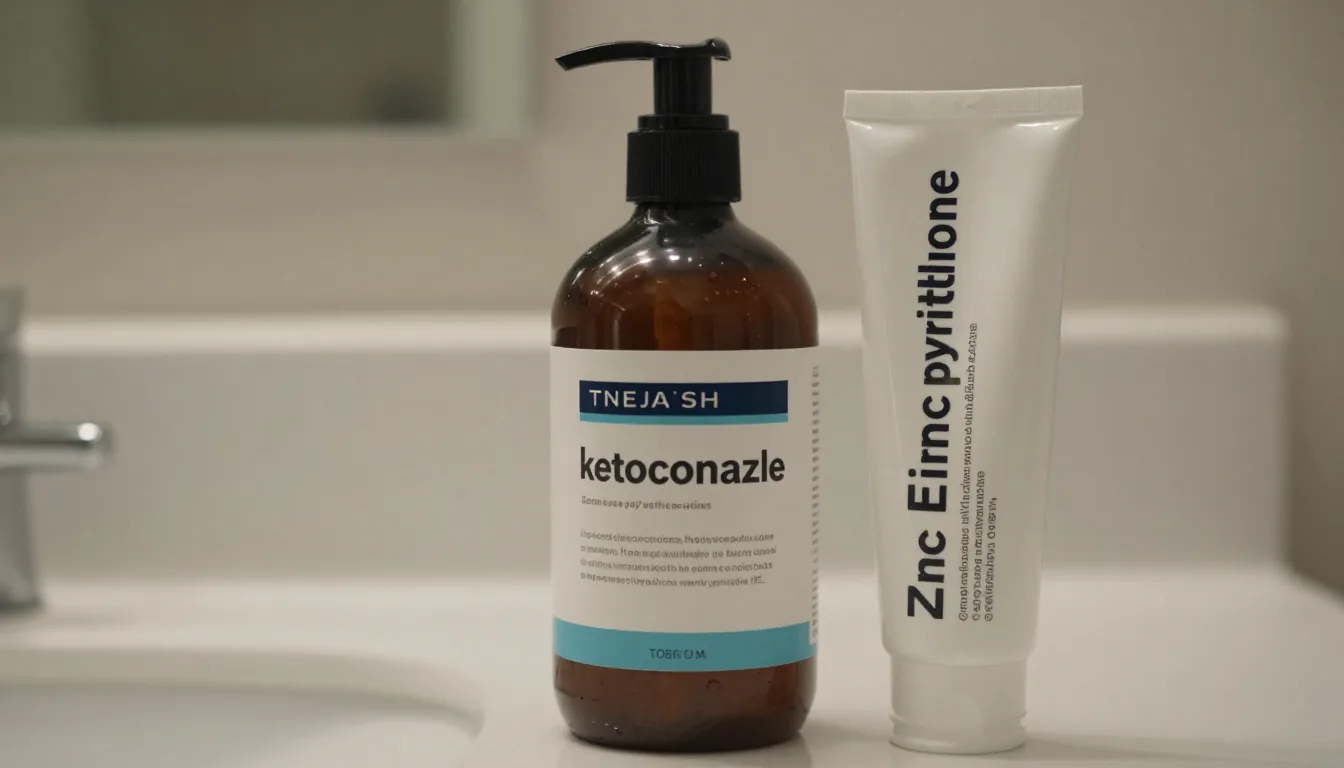
Ketoconazole
This broad-spectrum azole antifungal blocks ergosterol synthesis, essential for yeast cell integrity. It is available in shampoos (2%) and creams.
Use as a short-contact wash 2–3 times per week for mild cases, or leave-on for stubborn flare-ups. Ketoconazole is one of the most studied agents for this condition.
Zinc Pyrithione
Common in dandruff shampoos, zinc pyrithione disrupts metal ion metabolism in yeast. It treats fungal acne gently, ideal for sensitive skin.
Combine with ketoconazole for synergistic effects. Look for concentrations of 0.5% to 1% in leave-on products.
Selenium Sulfide
This ingredient reduces yeast population by inhibiting cell division. Typically found in 1% to 2.5% shampoos, it can be used as a mask on affected areas for 5–10 minutes.
Avoid leaving on overnight due to potential irritation. It is particularly useful for chest and back involvement.
Sulfur
An old-school antimicrobial, sulfur has mild antifungal properties but works best in combination. It also keratolytically exfoliates the follicle opening.
Use in cleansers or spot treatments at 2%–10%. Pair with salicylic acid for enhanced penetration.
Sulfur is well-tolerated and can be used daily.
Ingredients to Avoid
A successful fungal acne treatment avoids certain triggers. These ingredients feed Malassezia, making the condition worse.
Steer clear of oils like coconut, olive, and jojoba, as well as fatty acid esters (e.g., isopropyl myristate). Also avoid polysorbates and fermented ingredients.
Always check product labels for 'fragrance' or 'paraben' as some are triggers. Even seemingly harmless ingredients like fatty alcohols can be problematic.
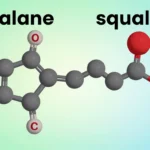
Common culprits include coconut oil, olive oil, jojoba oil, squalane (from olives), and many plant butters. Stick to mineral oil, glycerin, and hyaluronic acid as safe alternatives.
Sample Routine for Malassezia Folliculitis
Follow this simple fungal acne treatment routine using malassezia-safe products. Adjust frequency based on skin tolerance.
Consistency is key, and improvement may take 2–4 weeks.
- Cleanse (AM/PM): Use a gentle cleanser with zinc pyrithione. Massage for 1 minute, then rinse. Alternatively, use a ketoconazole shampoo as a mask.
- Treatment (PM only): Apply a 2% ketoconazole cream or leave-on lotion to affected areas. For body, a selenium sulfide lotion can be used.
- Moisturize: Use a lightweight gel moisturizer with glycerin or hyaluronic acid. Look for products labeled ‘fungal acne safe’.
- Sun protection (AM): Apply a mineral sunscreen with zinc oxide or titanium dioxide. Sunscreen prevents post-inflammatory hyperpigmentation.
For severe cases, consult a dermatologist for oral antifungals like itraconazole. Do not expect overnight results; consistent use is key.
Also, avoid over-exfoliating, which can disrupt the skin barrier.
Lifestyle Adjustments for Better Results
These lifestyle tips complement your fungal acne treatment regimen. Wear breathable fabrics like cotton, and change clothes after sweating.
Shower promptly after exercise and avoid sharing towels. Keep your pillowcases clean and use an antifungal laundry additive if needed.
These habits reduce yeast exposure and support healing.
For more expert insights, visit our Beauty & Skincare archive. Also read the scientific review on Malassezia and check the American Academy of Dermatology guidelines.