
Do Smart Plugs Actually Deliver Convenience?
If you've been on the fence about home automation, you've probably wondered: are smart plugs worth it for daily use? The short answer is yes—but only for specific tasks.
These devices turn any dumb appliance into a remotely controllable gadget, but they're not a one-size-fits-all solution.
For frequent travelers or forgetful people, smart plugs are worth it for the peace of mind alone. We tested over a dozen models with Amazon Alexa to separate genuine utility from marketing fluff.
Here's what we found.
If you’re wondering whether smart plugs worth it for your home, consider how often you leave lights on. That’s a simple test of value.
Energy Monitoring: A Surprising Benefit
Some smart plugs track power consumption, letting you see exactly how much your coffee maker or space heater costs per month. This feature alone can justify the purchase if you’re trying to cut electricity bills.
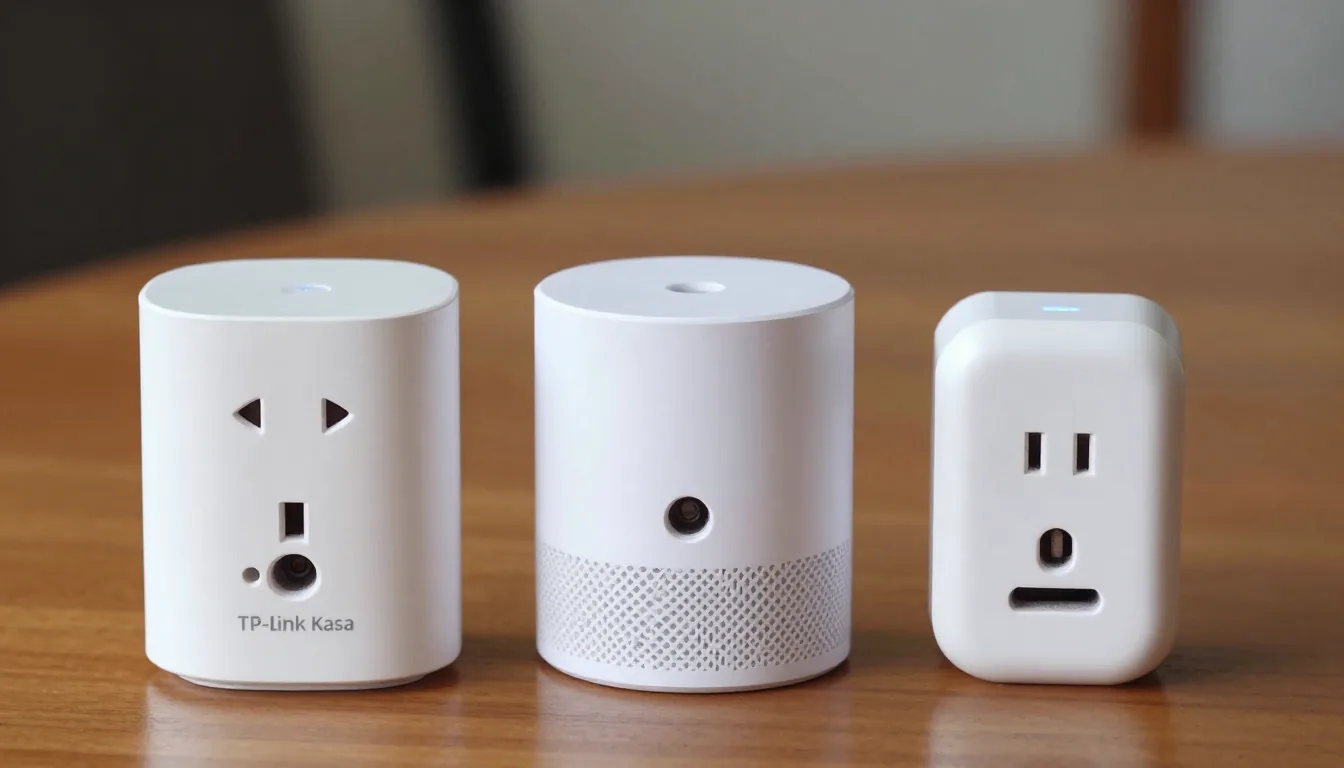
However, not all plugs offer this. TP-Link Kasa and Eve Energy are reliable choices for energy monitoring, while cheaper brands often skip it.
Check specs before buying.
Automation That Actually Matters
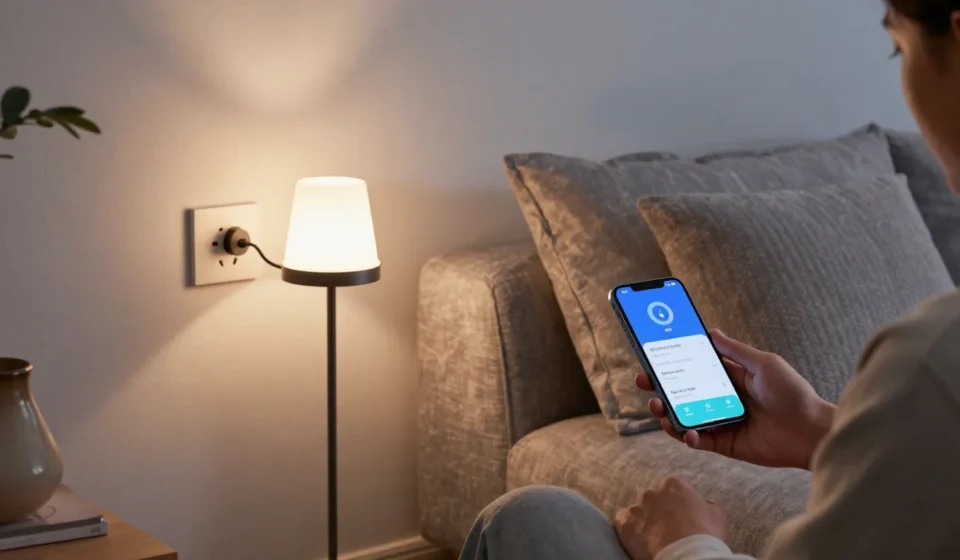
Setting schedules for lamps, fans, or holiday lights is where smart plugs shine. You can program devices to turn on at sunset or off when you leave home—no manual intervention.
But beware: if your Wi-Fi goes down, most plugs become dumb switches. Local control protocols like Zigbee (via a hub) can mitigate this, but they add complexity and cost.
Compatibility with Alexa: Not All Are Equal
Most modern smart plugs claim Alexa support, but integration depth varies. The best ones respond to voice commands without needing a separate skill or hub.
We found that plugs from TP-Link, Amazon, and Wemo offer seamless setup. Cheaper no-name brands often require clunky app permissions and lose connection regularly. For most budget-conscious buyers, smart plugs are worth it when they offer reliable connectivity.
The answer to ‘are smart plugs worth it’ often comes down to reliability. Choose well-known brands.
Set-Up: The Hidden Headache
Pairing a plug with Alexa usually involves scanning a QR code or pressing a button on the plug. That's simple enough.
But if you have multiple plugs, the process repeats for each one—a minor annoyance that adds up.
Pro tip: Use the Alexa app’s ‘Discover Devices’ feature after adding each plug. Sometimes it fails silently, and you’ll need to re-pair.
Are Smart Plugs Worth It for Energy Savings Alone?
Maybe—but the math is tight. A typical smart plug costs $10–$25.
If it saves you 10 cents per day on vampire power (standby consumption), you'd break even in 100–250 days. Realistically, savings are lower unless you aggressively schedule heavy loads.
Better to view them as convenience gadgets first, efficiency tools second. They’re worth it if you frequently forget to turn devices off or want to fake occupancy while traveling.
Top Alexa-Compatible Smart Plugs for 2025
- TP-Link Kasa KP115 – Energy monitoring, compact design, reliable. No hub needed. Supports Alexa routines.
- Amazon Smart Plug – Simple, affordable, and works out-of-the-box with Alexa. No energy monitoring.
- Eve Energy – Thread/Bluetooth, excellent for Apple HomeKit but works with Alexa via Matter. Energy monitoring is top-notch.
- Wemo Mini – Solid build, two-year warranty, but pricier. Integrates with Alexa via Wemo skill.
Avoid ultra-cheap plugs (under $8) from unknown brands; they often fail within months or have poor app support.
Voice Control and Routines: Real-World Use Cases
Voice commands through Alexa make smart plugs feel magical. Saying “Alexa, turn on the living room lamp” is faster than walking to a switch.
Routines take it further: you can combine actions like turning on lights and playing music with a single phrase. For many, smart plugs worth it because of the convenience of voice commands.
Check for Alexa 'Skills' compatibility before buying.
The Verdict: When Should You Buy?
Buy smart plugs for: lamps, fans, holiday lights, coffee makers, and space heaters (if rated for 15A). Avoid them for: high-power appliances like refrigerators (they need constant power), or devices with mechanical switches (plug can’t keep them on if switched off).
For most homes, smart plugs are worth it when strategically placed for convenience. So, are smart plugs worth it for Alexa users?
Yes—especially if you prioritize convenience over cost savings.
For more assessments like this, browse our Tech & Gadgets archive.