
Understanding Combination Skin: Why Balanced Care Matters
Crafting an effective combination skin care routine means selecting products that cater to both oily and dry areas simultaneously. The T-zone (forehead, nose, chin) often produces excess sebum, while cheeks feel tight and flaky.
This dual challenge demands a balanced combination skin care routine that hydrates without clogging pores.
Humectants like glycerin and hyaluronic acid provide universal hydration, while exfoliants such as salicylic acid target congestion. Barrier-supporting ingredients like ceramides and niacinamide stabilize both zones.
The goal is to maintain equilibrium without irritation, and a consistent combination skin care routine achieves this.
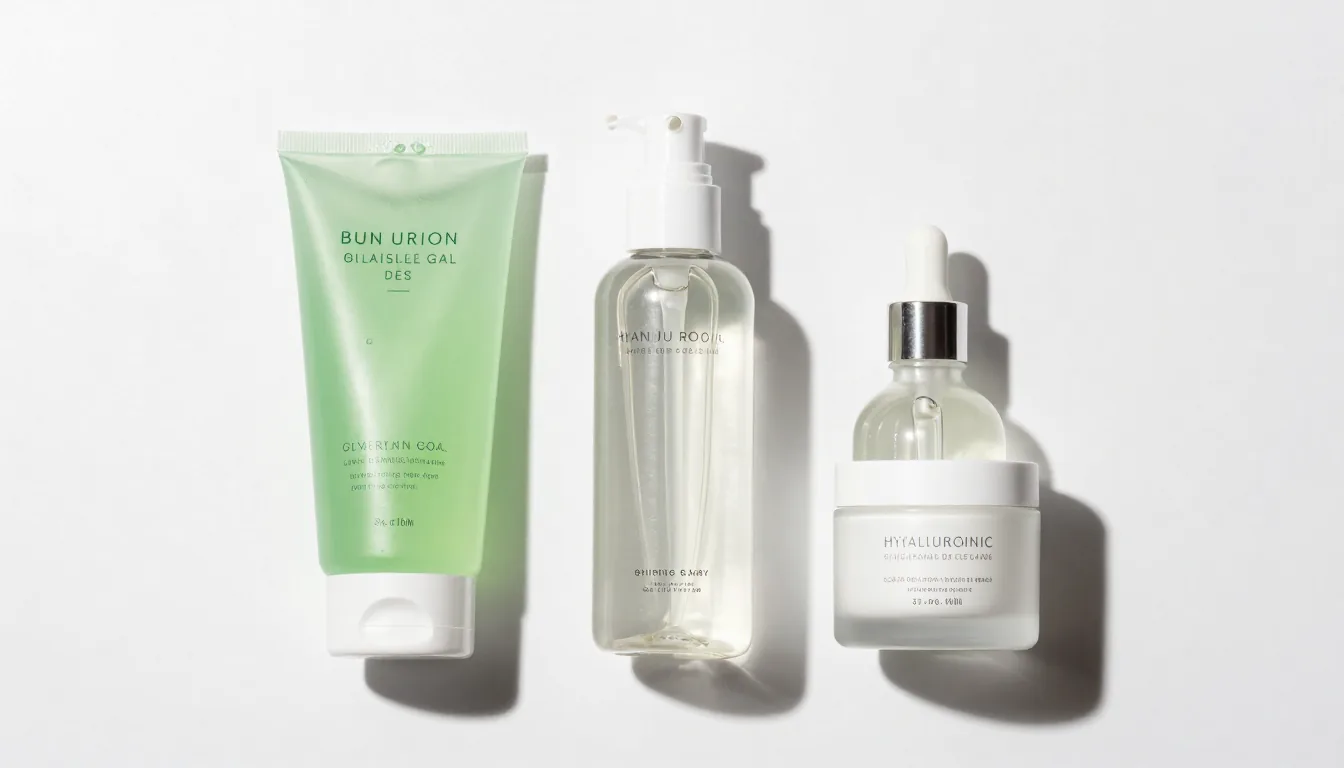
Glycerin: The Universal Humectant
Glycerin is a powerhouse humectant that draws moisture into the skin without leaving a greasy feel. It works for both oily and dry areas by boosting hydration levels.
Its small molecular weight allows deep penetration, making it a staple in any combination skin care routine.
Look for glycerin in toners and lightweight moisturizers. It is safe for all skin types and rarely causes reactions.
Apply it after cleansing to lock in moisture, especially on drier patches.
Salicylic Acid: Gentle Exfoliation for Oily Zones
Salicylic acid, a beta hydroxy acid (BHA), is oil-soluble and penetrates pores to dissolve sebum. It helps control shine and prevent breakouts in the T-zone.
For combination skin, use a 0.5% to 2% concentration in a rinse-off cleanser or targeted serum as part of your combination skin care routine.
Avoid overuse to prevent drying out the cheeks. Research confirms its efficacy in reducing comedones. Start with twice a week and adjust as needed.
Hyaluronic Acid: Hydration Without Oiliness
Hyaluronic acid holds up to 1000 times its weight in water, providing intense hydration without heaviness. It plumps dry areas while leaving the T-zone matte.
Apply a hyaluronic acid serum on damp skin after cleansing for maximum absorption.
This ingredient pairs well with occlusives like squalane to seal moisture. It is non-comedogenic, so it won't clog pores.
Use it both morning and night for best results in your combination skin care routine.
Supporting Ingredients for Balance
Niacinamide: Regulates Sebum and Strengthens Barrier
Niacinamide (vitamin B3) reduces oil production in the T-zone and boosts ceramide synthesis to fortify dry areas. It improves skin texture and minimizes pores.
A 4% to 5% concentration is ideal for daily use in a combination skin care routine.
It also soothes redness and evens out skin tone. Niacinamide can be applied after toner and before moisturizer.
It is well-tolerated by most skin types.
Ceramides: Repairing the Dry Barrier
Ceramides are lipid molecules that restore the skin's protective barrier. For combination skin, they prevent moisture loss on the cheeks without clogging pores.
Use a ceramide-rich moisturizer formulated for oily or acne-prone skin to avoid heaviness.
Look for formulas with multiple ceramides and cholesterol. Apply them after serums to lock in active ingredients.
They are especially beneficial in drier climates or during winter.
Lactic Acid: Gentle Exfoliation for Dry Patches
Lactic acid, an AHA, exfoliates dead skin cells on dry areas while offering mild hydration. It is less irritating than glycolic acid, making it suitable for combination skin.
Apply a low-concentration lactic acid toner just to the cheeks if needed.
Use it only once or twice a week to avoid over-exfoliation. It can improve texture and lighten hyperpigmentation.
Follow with a moisturizer to maintain hydration.
Building Your Combination Skin Care Routine
A balanced routine includes a gentle cleanser (sulfate-free), a hydrating toner, a targeted serum, and a lightweight moisturizer. Sunscreen is non-negotiable.
For oily zones, consider a gel-based moisturizer; for dry zones, a cream with glycerin and ceramides.
Always patch test new products. Incorporate salicylic acid only in the morning or evening, alternating with hydrating ingredients.
Listen to your skin—if the T-zone feels tight, reduce exfoliation.
For more expert advice, explore our Beauty & Skincare archive. A consistent combination skin care routine yields visible results in four to six weeks.
Pro Tips for Long-Term Balance
Adjust your combination skin care routine seasonally: use lighter products in summer and richer ones in winter. Multi-masking can target different zones simultaneously—apply a clay mask on the T-zone and a hydrating mask on cheeks.
Avoid harsh scrubs that can irritate both areas.
Remember that diet and stress impact oil production and dryness. Stay hydrated and manage stress with adequate sleep.
If persistent issues occur, consult a dermatologist for personalized guidance.
Key Takeaways
- Use humectants like glycerin and hyaluronic acid to hydrate without oiliness as part of your combination skin care routine.
- Exfoliate T-zone gently with salicylic acid; use lactic acid on dry patches.
- Niacinamide and ceramides restore balance and barrier function.
- Select products that address both skin zones without irritation.
- Be consistent and adjust as your skin changes.
Finally, consistency is crucial. A well-planned combination skin care routine can transform your complexion. For scientific backing, read more about humectants at this review.