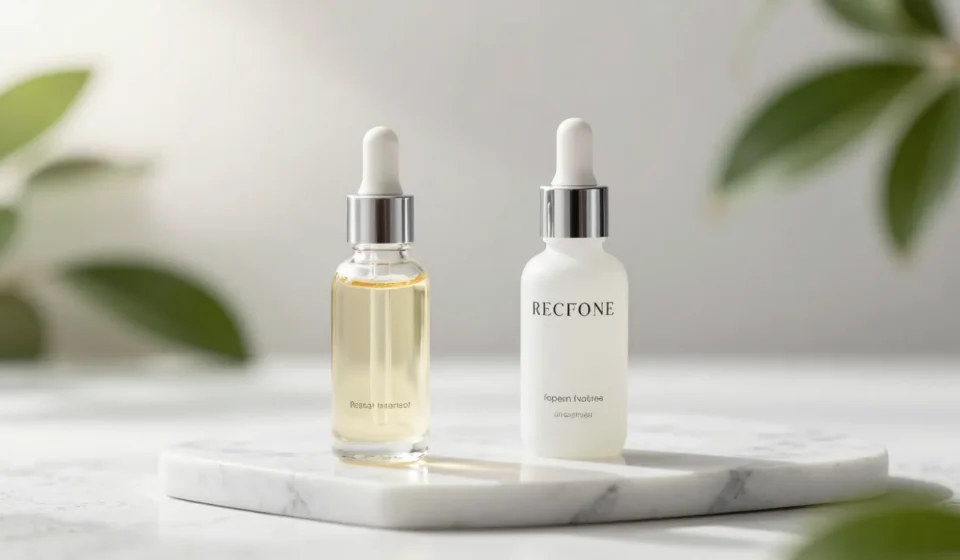

Why a Retinol and Peptides Routine Works
A strategic retinol and peptides routine can supercharge collagen production without the irritation that often derails anti-aging efforts. Retinol accelerates cell turnover by speeding up the shedding of dead skin cells, while peptides signal the skin to produce more collagen and elastin. Together, they target different aging pathways for smoother, firmer skin.
The synergy doesn't stop there. Peptides also help calm the skin, reducing potential redness from retinol.
This means you can enjoy the benefits of both without the typical side effects of starting retinol. Many dermatologists now recommend this pairing for its complementary effects.
Understanding pH and Stability
Retinol works best at a pH around 5.5–6.0, while copper peptides often stabilize near 5.5–6.5. Most peptide serums are formulated to be compatible, but always check product pH ranges.
Avoid mixing retinol with strong acids like AHAs in the same step—peptides are generally safe, but high-pH products can deactivate retinol.
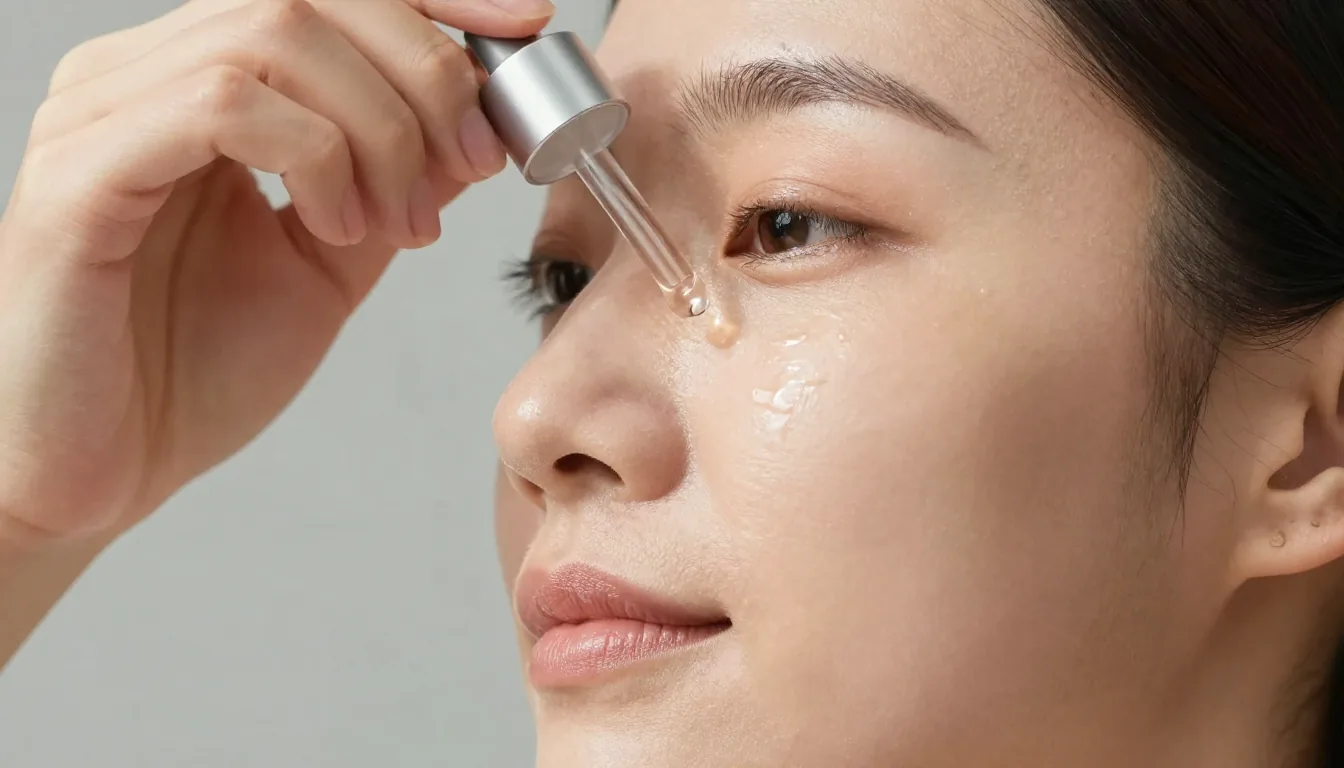
For best results, apply peptide serum on damp skin to maximize absorption. Wait 60 seconds, then follow with retinol.
This buffers the retinol, reducing irritation. Finish with a ceramide moisturizer to lock everything in and reinforce the skin barrier.
The correct retinol and peptides routine depends on pH-compatible formulations.
Best Order of Application
Order matters more than you think. Start with your peptide serum on clean, slightly damp skin.
Give it a minute to sink in, then apply retinol. The peptide layer acts as a buffer, slowing retinol absorption and minimizing sting.
Alternatively, use peptides in the morning and retinol at night for an ultra-gentle approach.
If you're new to this combination, start with the AM/PM split. Once your skin adjusts, you can layer them at night.
Always patch test before committing to full-face application. This method ensures you build tolerance over time.
Buffering Strategies for Sensitive Skin
Buffering means applying a moisturizer before retinol to slow its penetration. For peptides, layer a hydrating toner first to boost peptide efficacy.
Start retinol twice weekly for two weeks, then increase gradually. If irritation occurs, reduce frequency or switch to a lower concentration like 0.25%.
Another trick: use a peptide serum that contains soothing ingredients like niacinamide (but note pH conflicts—if you use niacinamide, apply it after retinol, not before). Many copper peptide formulas are already balanced for night use.
This dual approach is central to a successful retinol and peptides routine.
Product Pairing Tips
- Use a matrixyl or copper peptide serum with a 0.25%–0.5% retinol for beginners.
- Avoid niacinamide immediately after retinol due to pH conflict; peptides are fine to combine.
- Always apply a broad-spectrum SPF 30+ in the morning, as retinol increases sun sensitivity.
- Look for retinol in encapsulated form—it’s gentler and releases gradually.
Frequency and Cycle Scheduling
For beginners, cycle: Monday – peptide + retinol; Tuesday – peptide only; Wednesday – rest. Advanced users can combine both nightly if their skin tolerates it.
Listen to your skin: if it feels tight or stings, take a break. Consistency matters more than intensity.
Peptides can be used daily, even on rest days. Retinol frequency depends on your tolerance.
Many find that three to four times a week is the sweet spot for visible results without irritation. Adjust your retinol and peptides routine based on seasonal changes and skin response.
Expected Results Timeline
Within four weeks: improved texture and a subtle glow. At eight weeks: fine lines soften, and pores appear smaller.
Collagen remodeling peaks around six months, so consistency matters more than strength. Stick with your routine, and you'll see cumulative benefits.
Patience is key. Most users notice a visible difference in firmness after three months of the right retinol and peptides routine.
For best outcomes, pair your regimen with a healthy lifestyle and adequate hydration.
Customizing for Your Skin Type
Oily skin can tolerate higher retinol concentrations and may layer more frequently. Dry or sensitive skin should start with a gentle retinol and a hydrating peptide serum, applying the retinol only once a week initially.
Combination skin benefits from targeted application—use retinol on the T-zone and peptides on drier cheeks.
Always prioritize barrier repair: include ceramides and fatty acids in your moisturizer. This prevents irritation and maximizes the anti-aging benefits of your serums. For more on building a solid foundation, visit our Beauty & Skincare archives.
Learn more about retinol stability from this PubMed study and peptide signaling from this research review. Always patch test before introducing new products. Your skin will thank you.