

In a competitive startup landscape, retaining customers is more cost-effective than acquiring new ones. A well-executed customer success program transforms your approach from reactive support to proactive value delivery, directly impacting your bottom line. Founders who prioritize this strategy see measurable gains in retention, revenue, and customer advocacy.
The shift from acquisition to retention is not just a trend but a necessity. With rising customer acquisition costs, a customer success program becomes the engine for sustainable growth.
It ensures that every dollar spent on marketing yields long-term value through loyal, engaged users.
Why Retention Matters More Than Acquisition
Customer acquisition costs (CAC) continue to rise, making retention a critical lever for profitability. A 5% increase in retention can boost profits by 25% to 95%, according to research by Bain & Company.
Startups that focus only on acquisition often bleed users, rendering marketing spend inefficient.
Retention creates a stable revenue base that allows you to scale confidently. A loyal customer base also generates referrals, lowering future CAC further.
Shifting your mindset from transactional to relational is the first step toward sustainable growth.
Building a Customer Success Program That Works
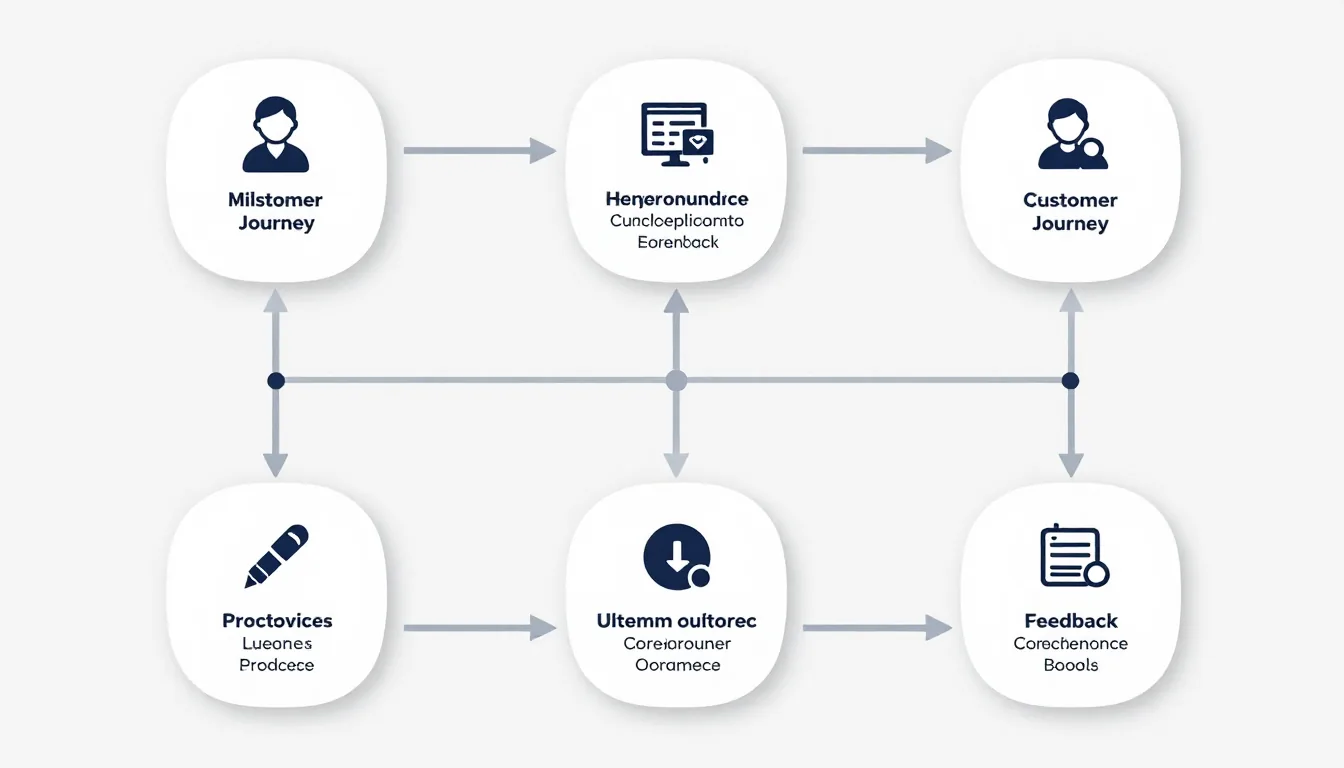
Implementing a customer success program requires dedicated resources and a clear framework. Define success milestones for your customers and assign a success manager or team to guide them.
Use data to identify at-risk accounts and intervene before churn occurs.
Start by mapping the customer journey and identifying key touchpoints. Automate routine check-ins, but ensure human interaction for complex issues.
Regular health scores and NPS surveys provide actionable insights to refine your approach.
1. Boost Customer Retention Rates
A structured program proactively addresses pain points, reducing the likelihood of churn. Customers who see continuous value are more likely to renew contracts.
This consistent engagement builds trust and loyalty over time.
2. Increase Customer Lifetime Value (CLV)
Happy customers spend more over time. Upsells and cross-sells become natural conversations when you understand their evolving needs through regular success checkpoints.
A strong customer success program directly contributes to higher CLV.
3. Reduce Churn with Proactive Interventions
Monitor usage patterns and engagement metrics to detect early warning signs. Automated alerts allow your team to reach out with solutions before dissatisfaction escalates.
This proactive approach is a hallmark of an effective customer success program.
4. Unlock Upsell and Expansion Revenue
When customers achieve their desired outcomes, they are open to exploring additional features or higher tiers. A success team can identify expansion opportunities based on product adoption data.
These conversations often lead to increased contract values.
5. Gather Actionable Product Feedback
Success interactions yield candid insights about your product’s strengths and shortcomings. This feedback loop informs your roadmap, ensuring you build features that matter.
Incorporating user voice is essential for product-market fit.
6. Cultivate Customer Advocacy and Referrals
Delighted customers become brand ambassadors. A success program that exceeds expectations naturally generates positive reviews, case studies, and word-of-mouth referrals.
These organic endorsements are invaluable for early-stage startups.
7. Create Predictable Revenue Streams
Retained customers provide recurring revenue that smooths out cash flow fluctuations. This predictability makes your startup more attractive to investors and supports strategic planning.
A mature customer success program helps stabilize monthly recurring revenue.
Measuring the Impact of Your Program
To maximize these benefits, align your success metrics with company goals. Track net promoter score, churn rate, and customer health scores weekly. Use these insights to continuously improve your Business & Entrepreneurship practices and scale without sacrificing quality.
For further reading on customer success best practices, explore resources from Harvard Business Review and Gainsight. Another excellent guide can be found at Help Scout. Ultimately, investing in customer success builds a resilient foundation for your startup’s future.