Best Performance Brake Pads for Track Days: Ceramic vs Semi-Metallic vs Organic

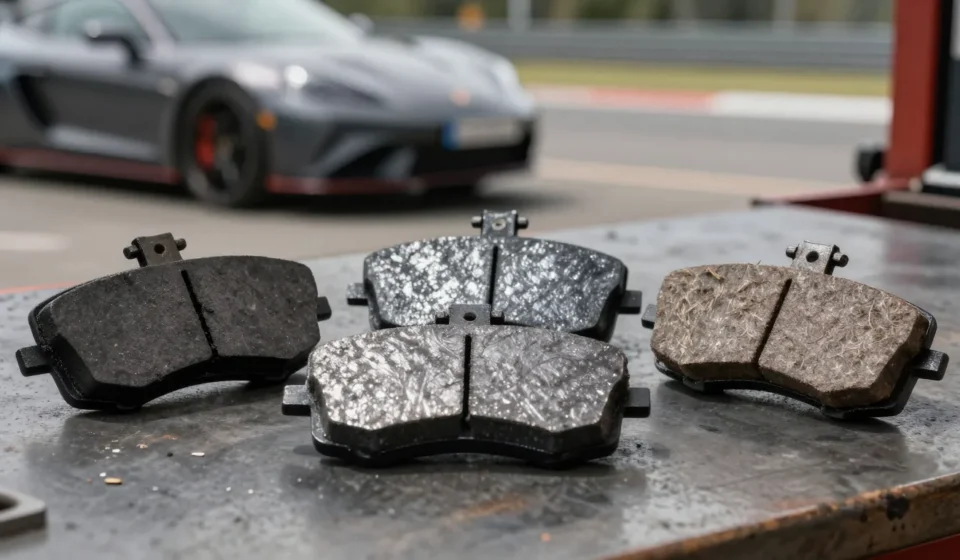
When you’re pushing a car to its limits on a racetrack, the brakes are your most critical safety system. A thorough brake pad comparison reveals three dominant friction material categories: ceramic, semi-metallic, and organic. Each has distinct trade-offs in heat tolerance, wear characteristics, and initial bite—factors that can make or break a lap time.
In this guide, I evaluate each type based on engineering principles and real-world track abuse. No marketing fluff—just mechanical facts to help you choose the right pad for your driving style and budget.
Ceramic Pads: Low Dust, But Can They Handle Heat?
Ceramic pads are made from a mix of ceramic fibers and non-ferrous materials bonded under high pressure. Their primary selling point is low brake dust, which keeps wheels clean.
But on track, their thermal limits become apparent.
Ceramic pads maintain a stable friction coefficient up to about 800°F (427°C). Beyond that, they start to fade progressively.
They are quieter than semi-metallic pads and generate less rotor wear. However, initial bite is moderate, and cold performance is acceptable for street driving.
For lighter track cars with moderate braking demands, ceramic can work. But in heavy, high-speed braking zones, the fade risk is real.
I do not recommend ceramic for dedicated track cars or drivers who brake late and hard. In any brake pad comparison, ceramic pads fall short for extreme heat.
Heat Management and Fade Resistance
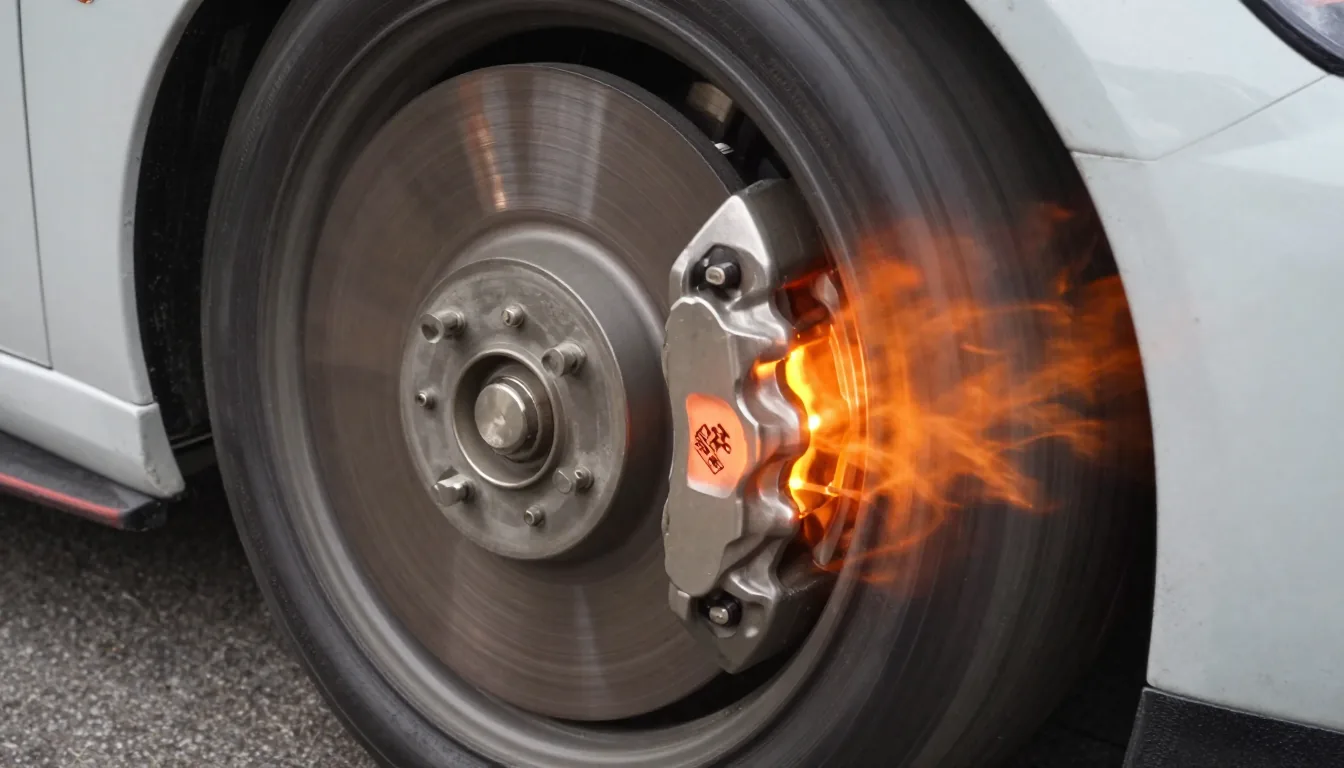
Ceramic materials absorb heat slowly but release it quickly. This helps rotor life but means the pad surface can overheat if saturation occurs.
Once glazed, the pad loses bite until the surface is refreshed.
In controlled testing by StopTech, ceramic pads showed a 15% lower average friction coefficient above 1000°F compared to semi-metallic. That translates to longer stopping distances when it counts. This brake pad comparison data is critical for track planning.
Semi-Metallic Pads: The Track Standard
Semi-metallic pads use a mix of 30-60% metal particles (steel, copper, iron) combined with friction modifiers and binders. This composition gives high thermal conductivity and excellent fade resistance up to 1200°F (649°C) or more.
Initial bite is aggressive, providing immediate deceleration. The friction coefficient remains stable across a wide temperature range.
Rotor wear is higher, and pads produce more dust and noise. But for track use, these sacrifices are acceptable for consistent braking lap after lap.
I consider semi-metallic the best choice for intermediate and advanced drivers on track days. Brands like Hawk Performance and EBC offer compounds tailored for heavy braking.
In any brake pad comparison, semi-metallic pads are the benchmark for track work.
Wear Rates and Rotor Life
Semi-metallic pads wear rotors faster—typically 0.5mm per 1000 track miles compared to 0.2mm for ceramic. However, pad life itself is often shorter because the metal particles don't bind as tightly.
Expect to replace pads every few track events.
The trade-off is raw stopping power. If you value deceleration over longevity, semi-metallic wins.
Pair them with high-carbon rotors for best results.
Organic Pads: For Street Only
Organic pads, also called NAO (non-asbestos organic), are made from fibers, fillers, and resins. They are soft, quiet, and produce little dust.
But their heat ceiling is low—typically around 500°F (260°C). On track, organic pads fade quickly and can crumble under high thermal stress.
They are suitable for daily drivers and maybe autocross, but not for lapping days. Rotor wear is minimal, but stopping performance degrades rapidly with heat.
I advise against using organic pads on any vehicle that will see repeated hard braking from high speed. Organic pads rarely feature in a serious brake pad comparison for track use.
Brake Pad Comparison: Key Differences Between Materials
To make this brake pad comparison easier, I’ve summarized the critical differences:
- Heat Tolerance: Semi-metallic > Ceramic > Organic
- Initial Bite: Semi-metallic > Ceramic > Organic
- Dust & Noise: Organic (lowest), Ceramic (low), Semi-metallic (high)
- Rotor Wear: Semi-metallic (highest), Ceramic (moderate), Organic (lowest)
- Price: Semi-metallic (mid), Ceramic (high), Organic (low)
A thorough brake pad comparison must weigh all these factors against your driving goals. For a dedicated track car, use semi-metallic pads.
For a dual-purpose car that sees occasional track days, ceramic can work if you install high-temperature brake fluid and have adequate cooling ducts. Organic pads belong on grocery getters, not road courses.
Final Track-Day Advice
Always bed your pads properly before hitting the track. This transfers an even layer of friction material to the rotor.
Also, inspect pads and rotors after each session. Heat checking on rotors is normal, but cracks or deep grooving indicate trouble.
For more expert content on performance driving, explore the Automotive & Mobility category. Additionally, technical resources from Brembo and StopTech provide deeper engineering insights.
Remember: Your brakes are the only thing between you and the wall. In a final brake pad comparison, choose based on your track intensity and budget.
Drive fast, stop harder.