The Stress-Skin Connection: How Adaptogens Like Ashwagandha and Ginseng Restore Balance

Understanding Adaptogens for Skin and Their Role
Adaptogens for skin are a class of herbs and mushrooms that help the body resist physical, chemical, and biological stressors. In skincare, these bioactive compounds work on a cellular level to modulate the stress response, reducing inflammation and oxidative damage.
Chronic stress elevates cortisol levels, which can impair the skin barrier, trigger oil production, and exacerbate conditions like acne, eczema, and premature aging. By incorporating adaptogenic ingredients, formulations aim to break this cycle and restore homeostasis. The most researched adaptogens in dermatology include Ashwagandha (Withania somnifera) and Panax Ginseng.
Ashwagandha: The Cortisol-Regulating Powerhouse
Ashwagandha is renowned for its adaptogenic and anti-inflammatory properties. Its active compounds—withanolides—inhibit NF-kB signaling, thereby reducing pro-inflammatory cytokines like IL-6 and TNF-α.
This makes it particularly effective for acne vulgaris and rosacea, where inflammation is a key driver.
Using adaptogens for skin like ashwagandha can directly lower stress-related breakouts. Topical application of ashwagandha extract has been shown to lower cortisol levels in the skin, preventing stress-induced sebum hypersecretion and barrier dysfunction.
A 2021 study found that a cream containing 2% ashwagandha reduced erythema and transepidermal water loss (TEWL) after four weeks of use. For best results, look for stabilized extracts in water-based serums or lightweight lotions.
How to Use Ashwagandha in Your Routine
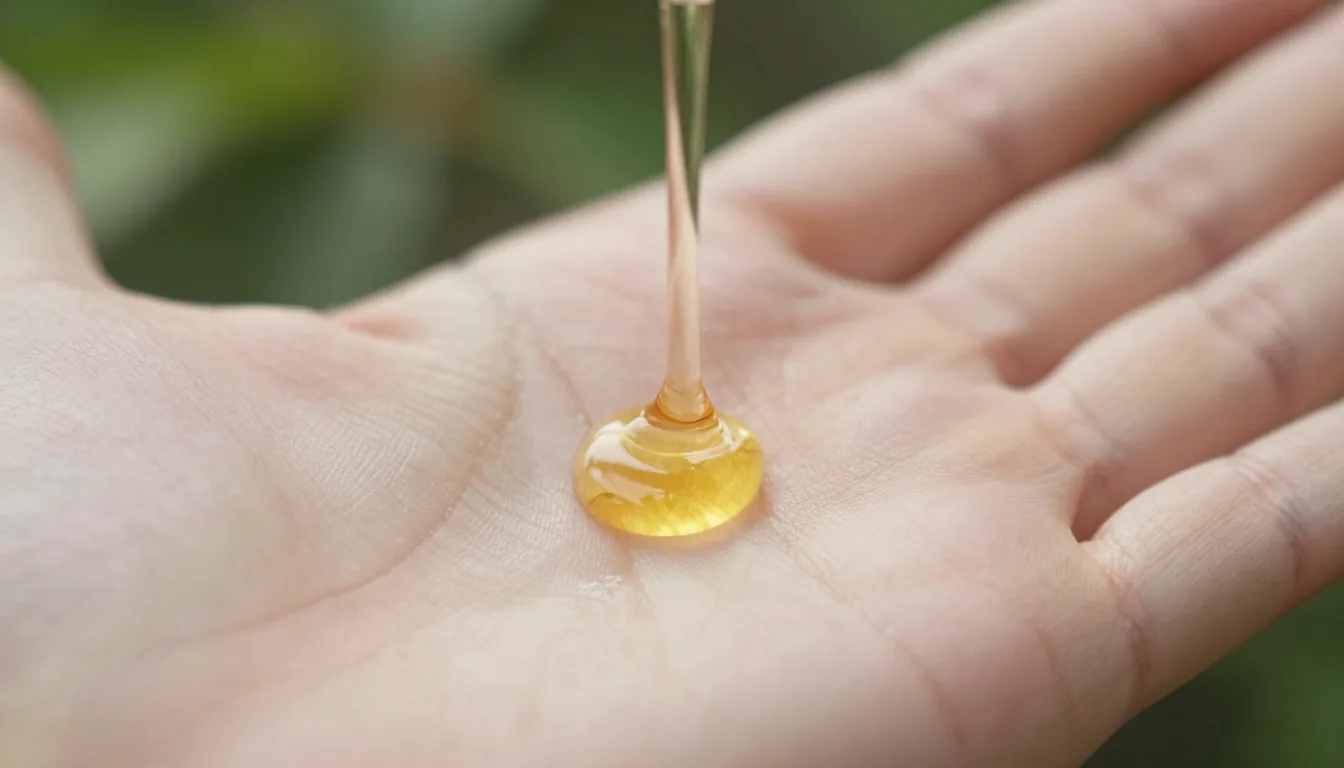
Incorporate an ashwagandha serum after cleansing and before moisturizing. It pairs well with niacinamide and ceramides for enhanced barrier support.
Avoid concurrent use with strong exfoliants (e.g., high-concentration AHAs) to prevent irritation.
Use consistently for at least 8 weeks to see visible calming effects. This adaptogen for skin works best with regular application, combined with other stress-management practices like adequate sleep and meditation.
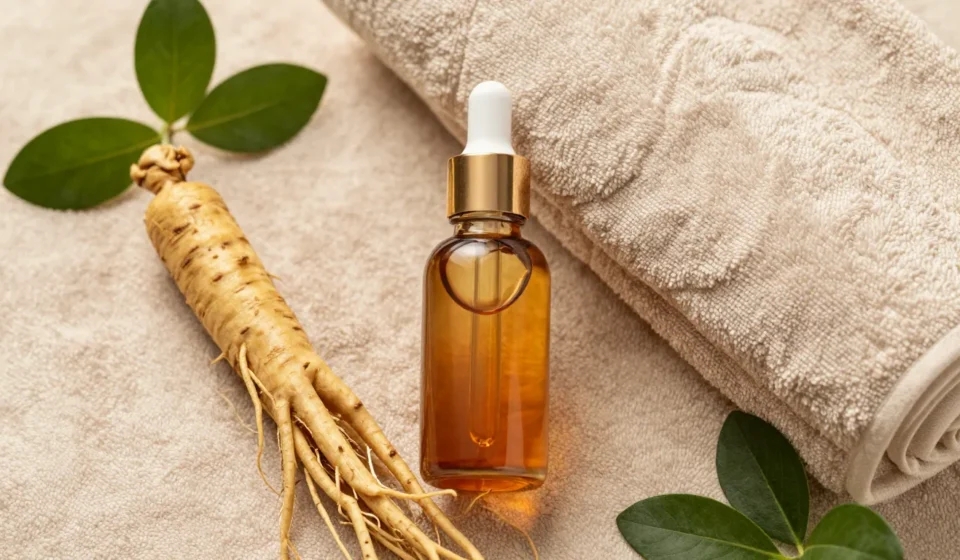
Ginseng: Antioxidant Defense and Microcirculation Booster
Panax Ginseng contains ginsenosides, which are potent antioxidants that scavenge free radicals and stimulate mitochondrial function. In skin, ginseng improves microcirculation, delivering oxygen and nutrients while removing waste products.
This can reduce sallowness and puffiness often associated with stress. Another adaptogen for skin, ginseng offers powerful protection against environmental damage.
Clinical trials demonstrate that ginseng extract (0.1%–0.5%) increases collagen synthesis and inhibits matrix metalloproteinases (MMPs), protecting against collagen degradation. Additionally, ginseng has been shown to downregulate the expression of cortisol receptors in fibroblasts, directly counteracting stress-induced aging.
For sensitive skin, opt for fermented ginseng, which is milder and more bioavailable.
Combining Ginseng with Other Actives
Ginseng works synergistically with vitamin C and ferulic acid to boost photoprotection. However, it should not be layered with strong retinoids in the same routine due to potential overstimulation.
Instead, use a ginseng moisturizer in the morning to prep skin for environmental stressors.
Choosing the Right Adaptogen Product
When selecting adaptogens for skin, look for standardized extracts with proven concentrations. For ashwagandha, aim for products with at least 2% withanolides; for ginseng, 0.1%–0.5% ginsenosides.
Avoid products with added fragrances or alcohol, as these can irritate stressed skin.
Always check the ingredient list for adaptogens near the top, indicating effective levels. Patch-test new products on your jawline before full application.
If you have sensitive skin, introduce adaptogens slowly—once daily, then twice if tolerated.
Combining adaptogens with other barrier-supporting ingredients like ceramides, niacinamide, and squalane can enhance results. This holistic approach supports the skin’s natural resilience against stress.
Building an Adaptogen-Infused Skincare Routine
To maximize the benefits of adaptogens for skin, start with a gentle cleanser. Then apply an adaptogen serum (ashwagandha or ginseng), followed by a barrier-repair moisturizer containing ceramides or squalane.
Finish with a mineral sunscreen (SPF 30+) to protect against UV-induced oxidative stress.
For a deeper dive into stress-proofing your skin, visit our Beauty & Skincare category. External resources include a comprehensive review on adaptogens in dermatology (NCBI) and a guide to anti-inflammatory herbs (Healthline). Always patch-test new products and consult a dermatologist for persistent skin issues.
Remember, adaptogens are not a quick fix but a long-term strategy. Consistent use, combined with stress management techniques like meditation and adequate sleep, can yield a visibly calmer, more resilient complexion.
With the right adaptogens for skin, you can break the stress-acne cycle and achieve lasting balance.