
What Is a Retinol Purge?
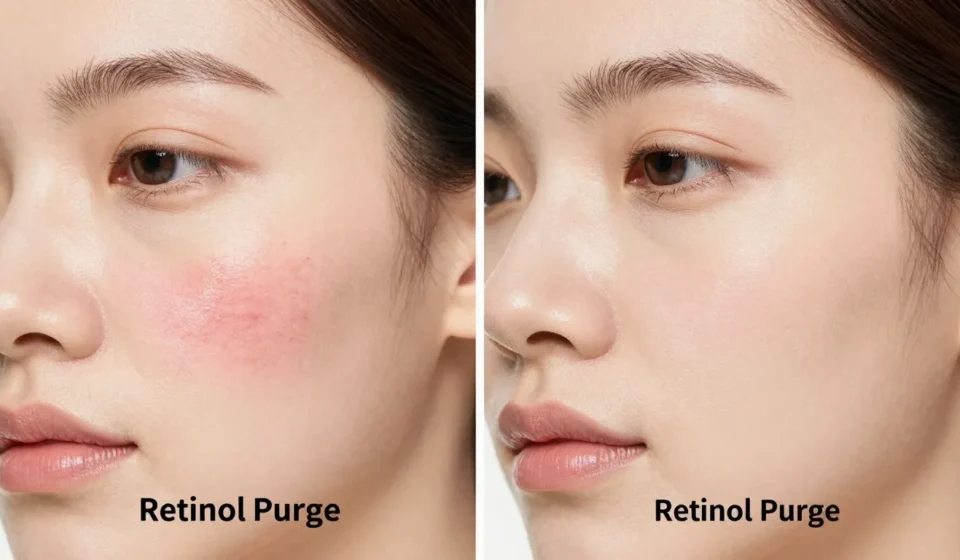
When you start retinol, a retinol purge breakout may occur as your skin adjusts. It happens because cell turnover accelerates, pushing hidden clogged pores to the surface.
This process often mimics a regular breakout but has distinct features.
Purge pimples usually appear in areas where you already break out. They are small, uniform, and tend to heal quickly.
Mild flaking or redness may accompany them, but these signs fade as your skin acclimates.
Importantly, a purge is not an allergic reaction or a sign of product incompatibility. It's a temporary adjustment phase that indicates the retinoid is working.
Understanding this can help you stay committed to your routine.
Identifying the Signs of Purging
To differentiate, look at the location and type of blemishes. A purge typically shows clusters of tiny whiteheads that resolve in a few days.
True breakouts often include deep, painful cysts that linger and spread to new areas.
Another clue: purging starts soon after beginning retinol (within the first 1–2 weeks). If you have no prior acne history in that spot, it’s likely a real breakout.
Monitor for inflammation—if it’s severe, it’s not a purge.
Keep a skin diary to track where and when new pimples appear. This can reveal patterns that distinguish a purge from a breakout.
Consistency in observation is key to making the right decision.
Retinol Purge Breakout: Key Differences Explained
Understanding the distinction is critical for your skincare journey. A retinol purge breakout follows a predictable pattern: it surfaces where you normally have congestion and resolves without new pimples forming.
In contrast, a breakout is erratic and may peak suddenly.
Purges rarely cause deep cystic acne. If you experience large, swollen bumps, it’s time to reassess your routine.
Also, purging often coincides with retinol’s drying effects, so flaking is normal, whereas breakouts don’t cause scaling.
Another key difference: purging tends to be shorter-lived than a breakout. While a breakout can last for weeks or months, a purge typically runs its course in about a month.
This timeline can guide your expectations.
How Long Does a Retinol Purge Last?
Most purges last between 2 and 6 weeks, depending on your skin’s tolerance and product strength. The first week may be the most intense.
As your skin builds resilience, the purging subsides, revealing clearer skin underneath.
If purging persists beyond 8 weeks, your skin may be reacting negatively. Consider reducing frequency or switching to a milder retinoid.
Consistency is key, but so is listening to your skin’s signals.
Remember that everyone’s skin is different. Some people experience a mild purge that barely disrupts their complexion, while others have a more pronounced reaction.
Patience and gentle care are essential during this period.
Managing Your Skin During Adjustment
To ease the transition, adopt a gentle routine. Use a hydrating cleanser, a moisturizer with ceramides, and a broad-spectrum sunscreen daily.
These steps support the skin barrier and reduce irritation.
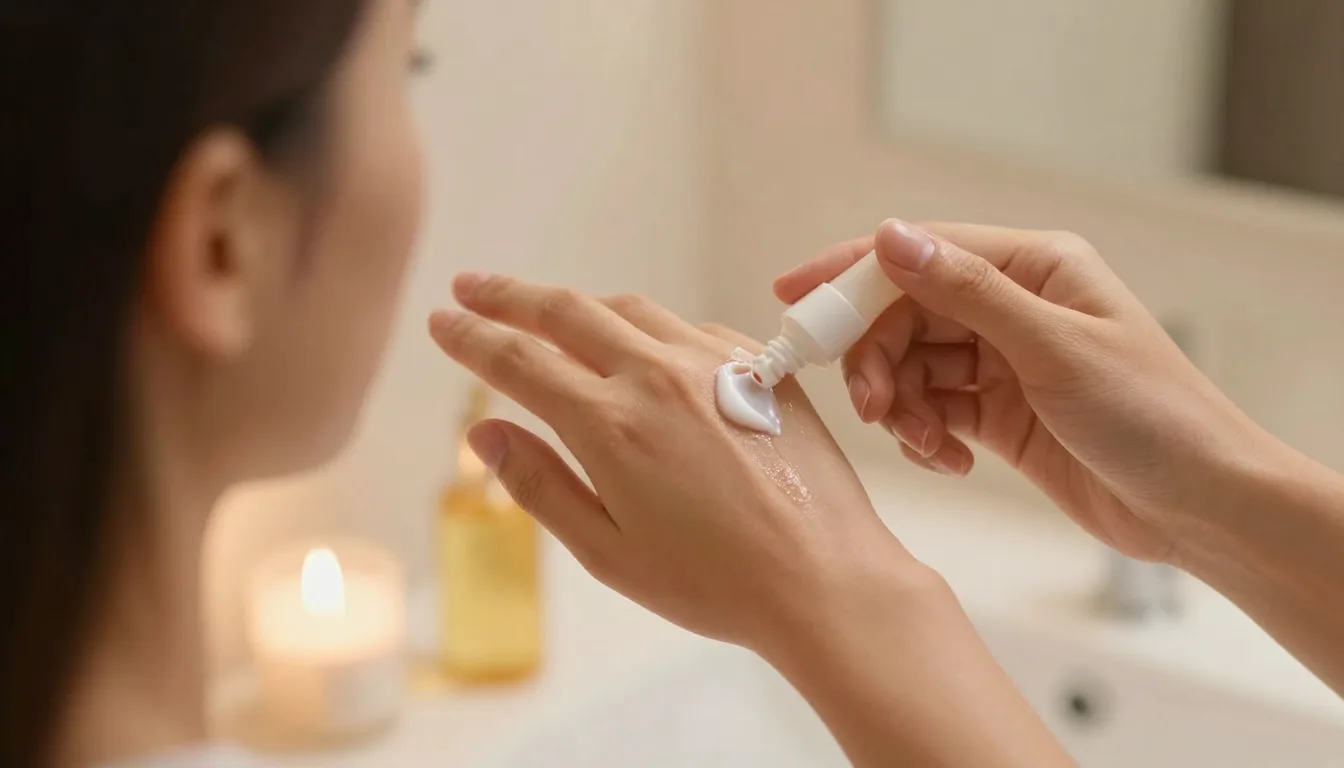
Apply retinol only at night, and start with a low concentration. You can also use the “sandwich method” (moisturizer-retinol-moisturizer) to buffer the effects.
Avoid other active ingredients like AHAs or benzoyl peroxide until your skin adjusts.
Hydration is your best friend during this time. Consider adding a hyaluronic acid serum for extra moisture.
Also, avoid over-exfoliating, as damaged skin barrier can worsen purging symptoms.
When to Push Through or Stop
If your symptoms are mild, push through the retinol purge breakout. Most experts advise continuing for at least 4 weeks to see real benefits.
Signs that you should persist include: no new breakouts after initial purge, mild flaking, and gradual improvement.
However, if you develop severe redness, burning, or painful cysts, stop immediately. These are signs of irritation or allergy, not purging.
Consult a dermatologist and consider a lower-strength retinoid or a different formulation.
It's also wise to re-evaluate your overall skincare routine. Sometimes adding too many products at once can confuse the skin.
Simplify and focus on hydration and protection while your skin adjusts.
For more skincare tips, explore our Beauty & Skincare archive. You can also read about retinoid research on AAD and PubMed.