
Why Vitamin C Serum Stability Matters
L-ascorbic acid, the gold standard vitamin C, is notoriously unstable. Exposure to light, air, and heat accelerates oxidation, turning your serum brown and ineffective. Understanding vitamin C serum stability is critical for getting the brightening and collagen-boosting benefits you pay for.
The molecular structure of L-ascorbic acid makes it highly reactive. When it oxidizes, it forms dehydroascorbic acid, which can still provide some benefits but is far less effective.
The key to maintaining vitamin C serum stability lies in controlling environmental factors and formulation chemistry.
Formulators combat this with clever chemistry. The ideal pH for L-ascorbic acid is below 3.5, which enhances absorption but also increases reactivity.
Without proper stabilization, the molecule degrades within weeks. That is why reputable brands invest in advanced stabilization technologies to ensure vitamin C serum stability from the first drop to the last.
Preserving L-Ascorbic Acid: Key Formulation Strategies
Water is the enemy of L-ascorbic acid. Anhydrous (water-free) formulas or those with minimal water content significantly extend shelf life.
Some brands use silicone or oil bases to suspend the powder, which stays stable until mixed at application.
Another approach is adding stabilizing partners. Ferulic acid and vitamin E are classic synergists that protect L-ascorbic acid from oxidation.
These antioxidants also boost photoprotection when used under sunscreen. When combined, they can triple the stability of the active ingredient, ensuring your serum remains potent longer.
Packaging Solutions for Maximum Freshness
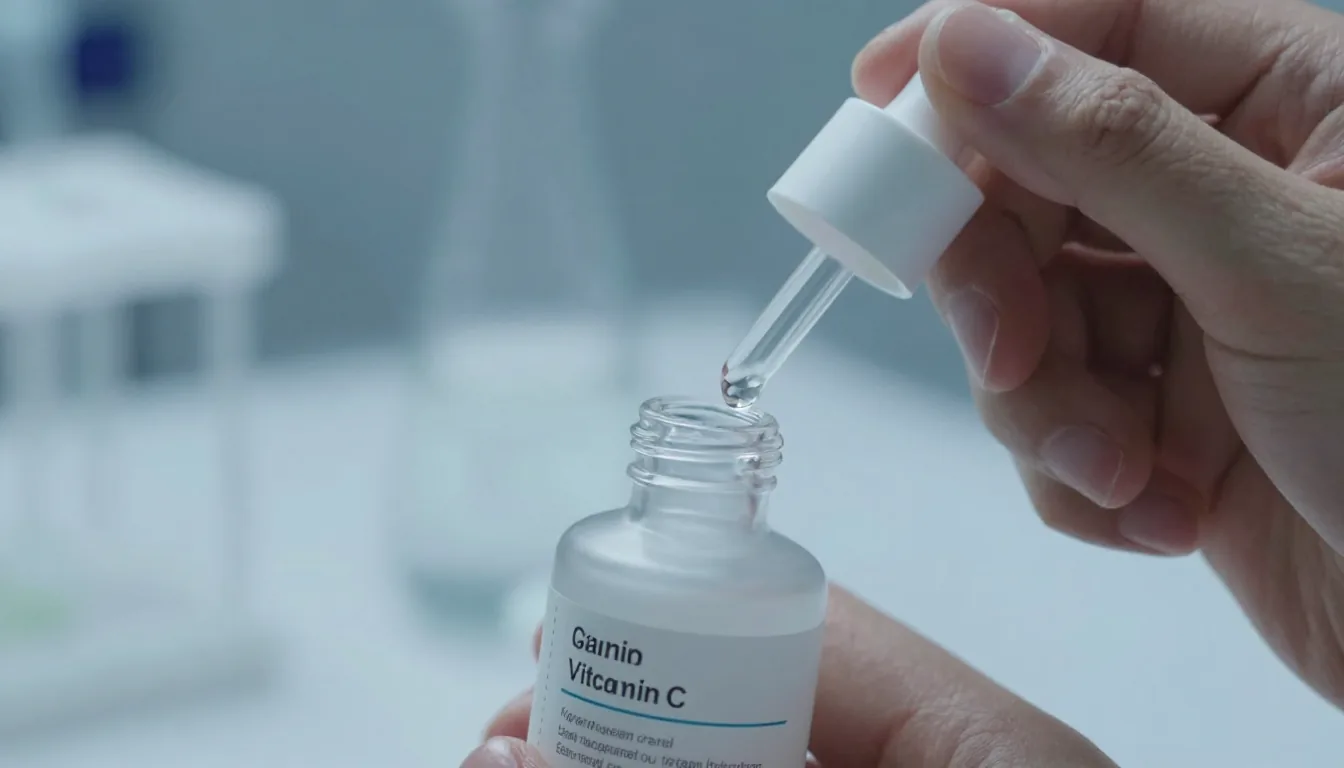
Airless pumps and opaque containers are non-negotiable. Clear dropper bottles let in UV light and oxygen each time you open them.
Look for sealed, single-dose ampoules or cans with nitrogen barrier for the longest stability. These packaging choices directly impact vitamin C serum stability by minimizing exposure to degrading factors.
Even with perfect packaging, always store your serum in a cool, dark place. The refrigerator can extend potency by weeks.
Avoid bathroom cabinets where humidity and temperature fluctuate. Consistent cool temperature is your ally in preserving vitamin C serum stability.
Derivatives vs. Pure L-Ascorbic: Choosing a Stable Formula
If your skin reacts to low pH or you travel frequently, consider vitamin C derivatives like ascorbyl glucoside or tetrahexyldecyl ascorbate. These are more stable at neutral pH and penetrate gradually, but conversion to active L-ascorbic acid is less efficient.
They offer a trade-off between immediate efficacy and long-term stability.
For maximum efficacy, stick with pure L-ascorbic acid in a stable vehicle. Check the ingredient list for water-free bases or the inclusion of ferulic acid.
A reputable brand will specify the concentration (typically 10-20%) and provide a shelf life after opening. Reading reviews can also give clues about which brands prioritize vitamin C serum stability.
Signs Your Vitamin C Serum Has Turned
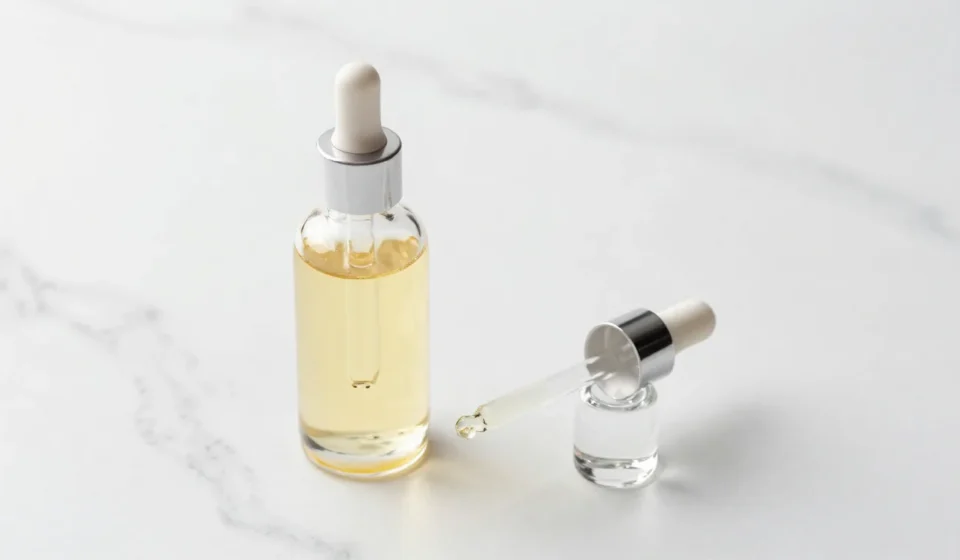
Discoloration is the first indicator. A light straw color is acceptable, but deep yellow or brown means oxidation is advanced.
Also, a sharp, metallic smell signals degradation. If in doubt, patch test—oxidized vitamin C can cause irritation or staining.
To maximize your investment, purchase smaller bottles that you can finish within 3 months. Some brands offer a money-back guarantee if the serum changes color prematurely, which reflects their confidence in stabilization technology.
Regularly checking the appearance helps you monitor vitamin C serum stability at home.
pH and Concentration: Balancing Stability and Efficacy
L-ascorbic acid is most effective at a pH between 2.5 and 3.5. However, lower pH increases irritation and accelerates degradation.
Formulators adjust with buffers or choose derivatives for sensitive skin. The right balance is crucial for both performance and vitamin C serum stability.
Concentration also matters. While 20% L-ascorbic is potent, it is less stable than 10% or 15% formulas.
Some experts recommend starting with lower strengths to ensure the product remains effective throughout its use. Higher concentrations require more sophisticated stabilization strategies to maintain vitamin C serum stability.
Storage Tips for Extended Shelf Life
Keep your serum in the refrigerator, away from light and moisture. Never leave it in a hot car or near a window.
Use airless pumps or squeeze tubes to minimize oxygen exposure. These simple habits dramatically improve vitamin C serum stability.
Consider buying single-dose ampoules for travel or occasional use. These maintain stability until opened and guarantee freshness.
Always check the expiration date and discard any serum that changes color or odor. Storing small quantities reduces the risk of degradation before you finish the bottle.
For deeper reading, consult this review on L-ascorbic acid stability or this dermatology formulation guide. Remember, proper selection and storage of your serum ensure you reap the brightening, anti-aging rewards of vitamin C. With careful attention to vitamin C serum stability, you can enjoy a radiant complexion for months.