

Why Every Company Needs a Business Continuity Plan
Disruptions—from cyberattacks to natural disasters—can cripple unprepared businesses. A robust business continuity plan (BCP) ensures your operations can withstand and recover quickly from unexpected events. Without one, you risk significant revenue loss, reputational damage, and even closure.
Building a business continuity plan is not just for large enterprises; small and midsize businesses are equally vulnerable. In fact, according to FEMA, 40% of businesses never reopen after a disaster.
This guide provides actionable steps to create a plan tailored to your company’s needs.
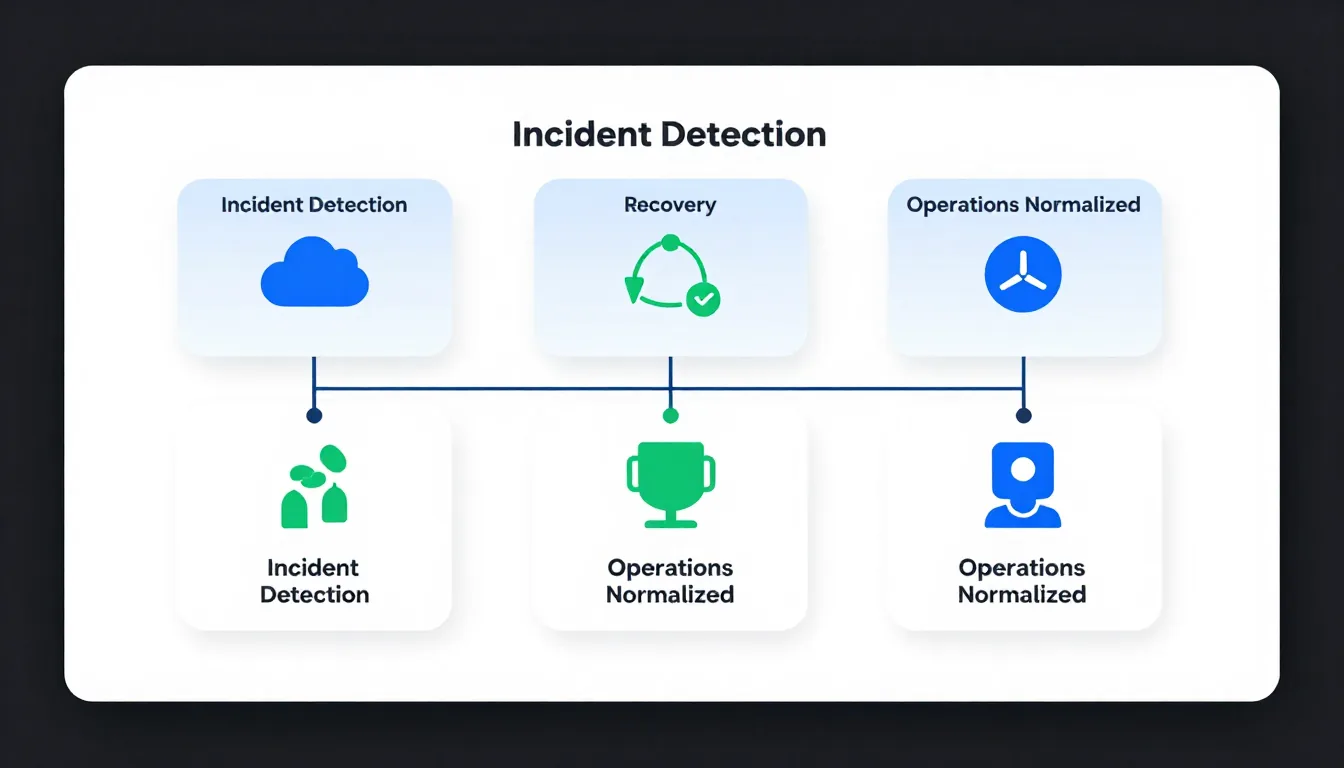
Step 1: Conduct a Business Impact Analysis
A Business Impact Analysis (BIA) identifies critical functions and the consequences of their disruption. Start by listing all business processes and ranking them by priority—those that directly generate revenue or comply with regulations are usually top tier.
This step forms the foundation of your business continuity plan.
For each function, determine the maximum tolerable downtime (MTD) and recovery time objective (RTO). This data drives resource allocation in your BCP.
Engage department heads to ensure accuracy and buy-in. BIA results inform your continuity strategy.
Step 2: Identify Potential Risks and Threats
Common risks include cyber incidents, supply chain failures, pandemics, and extreme weather. Tailor your risk assessment to your industry and geography.
For example, a coastal company faces hurricane risks, while a tech firm may prioritize data breaches. Your business continuity plan must address these specific threats.
Use a risk matrix to evaluate likelihood and impact. This step helps prioritize which scenarios your plan must address first.
External resources like the Ready.gov business preparedness guide offer free templates. A thorough risk assessment strengthens your BCP.
Step 3: Define Recovery Strategies
For each critical function, outline specific recovery strategies within your business continuity plan. These may include backup systems, alternative suppliers, remote work capabilities, or cross-training staff.
Ensure strategies align with your RTOs and budget.
For instance, if your e-commerce site is vital, have a cloud-based failover ready. Document step-by-step procedures for restoring operations, including who is responsible and what tools are needed.
Clearly defined recovery steps are the core of your continuity plan.
Step 4: Develop the Plan Document
Compile your BIA, risk assessment, and recovery strategies into a clear, concise plan document. Include emergency contact lists, escalation procedures, and communication templates.
Write in plain language so all employees can follow it under stress. This document is your official business continuity plan.
Organize the document into sections: purpose, scope, roles, response procedures, and recovery steps. Use checklists and flowcharts for quick reference.
Store both digital and printed copies in accessible locations. A well-structured plan ensures consistent execution.
Step 5: Train Your Team and Test Regularly
A business continuity plan is only effective if people know how to execute it. Conduct annual training sessions and tabletop exercises to simulate disruptions.
For example, run a mock cyberattack scenario to test IT and communications. Training builds muscle memory for your BCP.
After each test, gather feedback and update the plan. Continuous improvement is key.
The IBM Business Continuity page provides industry best practices for testing. Regular testing validates your business continuity plan.
Step 6: Review and Update Annually
Your business evolves—so should your business continuity plan. Review the plan at least once a year or after any major change (new product launch, relocation, staffing shifts).
Involve stakeholders from all departments to validate assumptions. An outdated plan can be worse than no plan.
Integrate lessons learned from real incidents or near-misses. Maintaining an up-to-date plan is a sign of organizational maturity and resilience.
For more insights, visit our Business & Entrepreneurship archive. Regular reviews keep your BCP relevant.
Step 7: Secure Executive Buy-In and Budget
Without leadership support, a business continuity plan remains a paper exercise. Present a business case showing the cost of downtime vs.
investment in continuity.
Emphasize compliance, customer trust, and competitive advantage. Executive sponsorship is critical for BCP success.
Once approved, assign a dedicated continuity manager or team. Provide ongoing resources for training, technology, and third-party services if needed.
A well-funded business continuity plan is an investment in your company’s future. With proper backing, your BCP becomes a living, effective tool.
Creating a business continuity plan may seem daunting, but following these seven steps builds a resilient organization. Start today to protect your operations, reputation, and bottom line. Your thorough business continuity plan will safeguard your company for years to come.