

Cash Flow Management in Hypergrowth
When your business is scaling rapidly, effective cash flow management becomes the critical lever to prevent the very engine of growth from turning into a liquidity trap. Revenue surges, but cash lags as you pay suppliers upfront and wait for customers to settle.
Effective cash flow management during this phase is critical—not just for survival, but for sustaining momentum. Without it, profitable companies can collapse.
The core problem is timing: expenses often accelerate faster than collections. Your cash conversion cycle lengthens, and every new dollar of sales consumes more working capital.
To avoid a cash crunch, leaders must implement tactical controls across three key areas: forecasting, receivables, and expenses.
Forecasting for Real-Time Visibility
Build a Rolling 13-Week Cash Forecast
A static annual budget becomes obsolete in high growth. Instead, adopt a rolling 13-week cash forecast that updates weekly.
This gives you a forward-looking view of inflows and outflows, allowing you to anticipate shortfalls before they hit.
Use historical data to model scenarios: best case, worst case, and most likely. For each scenario, stress-test assumptions like payment delays, new hires, and capital expenditures.
This proactive approach is essential for robust cash flow management.
Identify Cash Flow Triggers
Set early warning triggers based on key metrics. For example, track days sales outstanding (DSO), days payable outstanding (DPO), and cash burn rate.
When DSO exceeds a threshold—say 45 days—flag it for immediate action.
Also monitor your “cash runway” weekly. If it drops below three months, initiate contingency measures like delaying non-critical hires or adjusting payment terms.
Proactive monitoring prevents reactive firefighting.
Optimizing Receivables to Speed Up Collections
Revise Payment Terms and Incentives
Negotiate shorter payment terms with customers where possible. For new contracts, push for net-15 or even net-7 terms instead of the standard net-30.
Offer a small discount (e.g., 2% for payment within 10 days) to accelerate inflows.
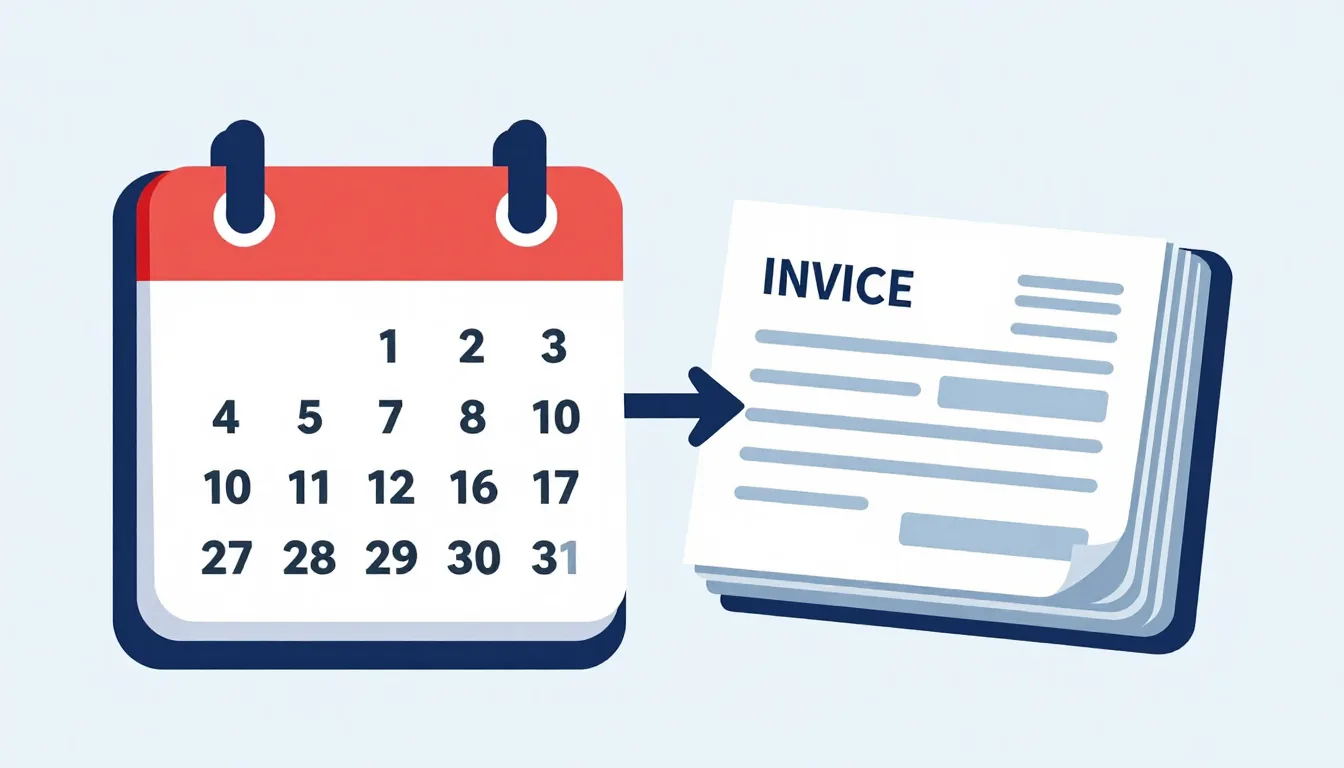
Implement automated invoicing with reminders. Use tools that send invoices immediately upon delivery and trigger follow-ups at 7, 14, and 21 days.
This reduces the administrative burden and shorten the average collection period.
These steps directly improve cash flow management by accelerating receivables.
Leverage Invoice Factoring or Supply Chain Finance
If customers have strong credit, consider factoring your receivables to get immediate cash. Alternatively, explore supply chain finance platforms where banks pay you early while customers settle later.
Both options come with a cost but can bridge critical gaps.
However, use these sparingly; they are not a permanent solution. Focus on the root causes of slow payments—such as poor invoicing accuracy or unclear terms—to reduce dependence on external financing.
Controlling Expenses Without Stunting Growth
Differentiate Variable from Fixed Costs
In high growth, many costs inflate unnecessarily. Review every expense categorically.
Prioritize variable costs that scale directly with revenue (e.g., cost of goods sold) and scrutinize fixed overheads like rent, subscriptions, and software licenses. Adopt zero-based budgeting for discretionary spending.
Each quarter, justify every recurring expense from scratch. This forces discipline and often reveals outdated tools or services that can be cut or renegotiated.
Controlling spending is a pillar of cash flow management.
Implement Approval Workflows for Spending
Set thresholds for approval: any expense above $1,000 requires a manager sign-off; above $10,000 needs VP approval. This prevents rogue spending while empowering teams to make small decisions quickly.
Use procurement automation to enforce policies and provide real-time visibility into committed expenses. The goal is to reduce cash outflows lead time without becoming a bottleneck.
Tactical Cash Preservation Strategies
Negotiate Extended Payment Terms with Vendors
Just as you shorten customer terms, ask your key suppliers for extended payment terms. Move from net-30 to net-45 or net-60.
Explain that longer terms support your growth and ultimately benefit them through larger orders.
Combine purchases to increase leverage. Consolidate suppliers to a few strategic partners, then negotiate volume discounts or favorable payment schedules.
This reduces the number of invoices and improves forecasting accuracy.
Manage Inventory Leanly
Inventory is often the largest cash trap. Apply just-in-time principles to reduce stock levels without risking stockouts.
Use demand forecasting tools to align procurement with actual sales velocity.
For physical products, analyze SKU profitability. Eliminate slow movers that tie up cash.
Implement consignment arrangements where suppliers hold inventory until you sell it—this transfers working capital burden to them.
Build a Liquidity Culture Across the Company
Cash flow management is not just the CFO’s job. Educate every department head on the impact of their decisions on liquidity.
Include cash generation as a key performance indicator for all teams.
Celebrate milestones like reducing DSO or improving cash conversion cycle. When your entire organization prioritizes cash, you create a self-reinforcing cycle that funds sustainable growth without external capital.
For more strategies on scaling your business, explore our resources on Business & Entrepreneurship.
To deepen your understanding, read about cash flow best practices from Harvard Business Review and the basics of cash flow analysis on Investopedia.