

The Science of Well-Being and Productivity
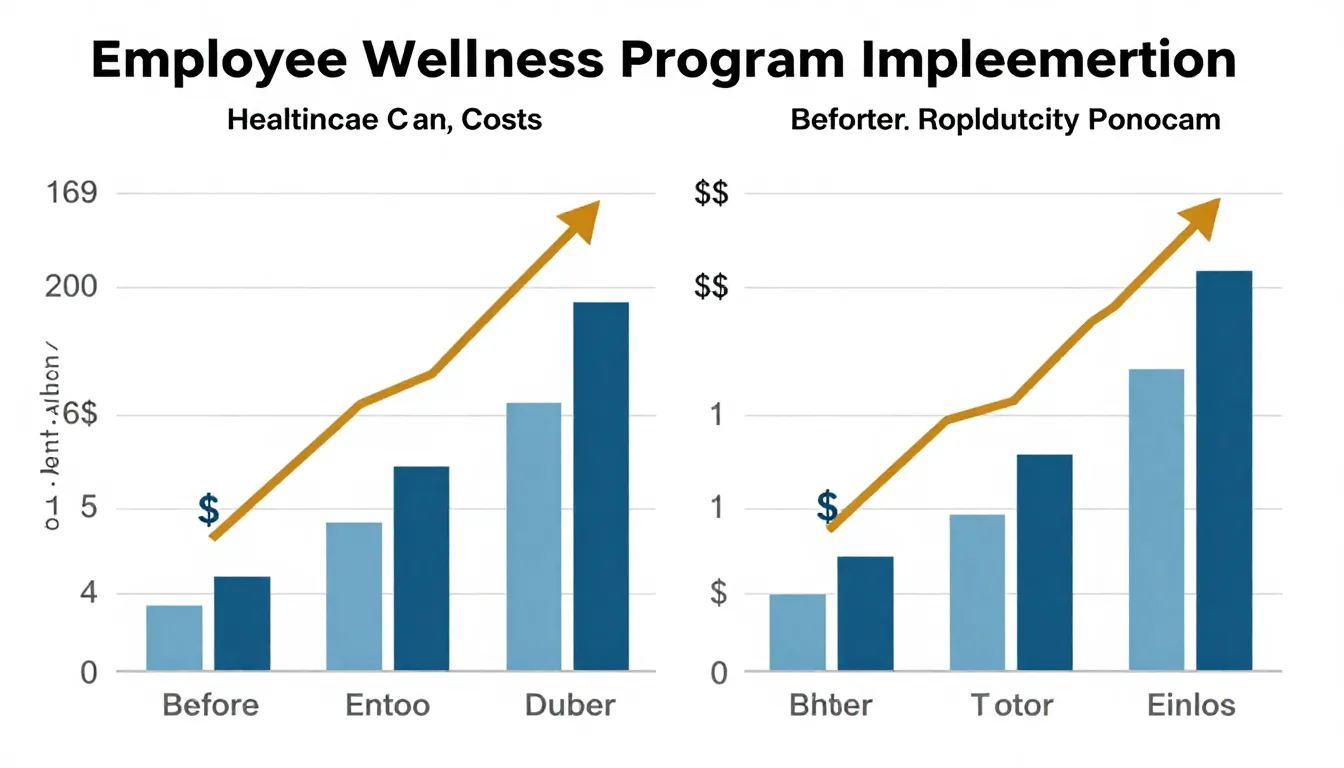
Mounting evidence shows that employee wellness programs are not just perks—they are strategic investments. A meta-analysis by the World Economic Forum found that every dollar spent on wellness yields $3.27 in reduced healthcare costs and $2.73 in lower absenteeism.
When employees feel physically and mentally supported, their engagement and output rise significantly.
Healthier Employees, Higher Output
Chronic stress and poor health cost U.S. employers over $530 billion annually in lost productivity.
Companies with comprehensive wellness initiatives report 11% higher productivity per employee, according to a Harvard Business Review study. These programs reduce presenteeism—working while unwell—which often goes unnoticed but drains performance.
Simple interventions like ergonomic workstations and mental health days lead to measurable gains. For example, Johnson & Johnson saved $250 million on healthcare over a decade by integrating wellness into its culture.
The key is designing programs that address root causes, not just symptoms.
Mental wellness initiatives such as counseling services and stress management workshops further boost focus and creativity. Employees with access to mental health support report 30% higher engagement, driving additional productivity gains.
For instance, a 2019 study by the American Psychological Association found that employees in wellness-focused companies were 23% more likely to report high job satisfaction, leading to better performance.
Reducing Attrition Through Well-Being
Turnover costs can reach 200% of an employee's salary, making retention a top priority. A Gallup poll revealed that 70% of employees who participate in wellness programs report higher job satisfaction.
This directly reduces voluntary turnover, especially among top performers who value holistic support.
The Financial Case for Investment
Calculating ROI of employee wellness programs requires looking beyond healthcare savings. Lower recruitment costs, reduced training expenses, and preserved institutional knowledge add up.
A study by the International Foundation of Employee Benefit Plans found that organizations with wellness programs see a 25% decrease in turnover compared to those without.
For small businesses, even modest offerings like gym stipends or flexible hours can yield a 6:1 return on investment. The key is to track metrics like engagement scores, sick leave usage, and exit interview feedback to quantify impact.
Programs focusing on mental health reduce turnover by an additional 15%.
Long-Term Financial Impact of Workplace Health Programs
Beyond immediate savings, employee wellness programs create lasting financial benefits. A Rand Corporation study found that well-designed programs reduce healthcare costs by 30% over five years.
Reduced chronic disease prevalence also lowers insurance premiums, freeing capital for growth.
Companies that invest in wellness initiatives see a 5% increase in stock performance, according to an analysis of S&P 500 firms. This correlation underscores how employee health drives shareholder value.
When employees thrive, so does the bottom line.
Implementation Strategies That Work
To maximize returns, align wellness with company values. For example, a tech startup might offer meditation apps and standing desks, while a manufacturing firm could provide on-site health screenings.
Personalization and leadership buy-in are critical—without them, participation rates plummet.
Consider partnering with vendors like CDC’s Workplace Health Resource Center for evidence-based tools. Regularly survey employees to refine offerings and remember that one-size-fits-all approaches rarely succeed. Tailored employee wellness programs that address specific demographics show higher engagement and ROI.
Measuring ROI of Employee Wellness Programs
Use a balanced scorecard that tracks health cost trends, absenteeism rates, turnover percentages, and productivity metrics. Tools like the HBR Wellness ROI Calculator can help benchmark. For insight into broader business strategies, explore our Business & Entrepreneurship category for complementary growth tactics.
Ultimately, the bottom-line impact is clear. As more companies adopt data-driven employee wellness programs, those that hesitate risk falling behind in talent acquisition and financial performance.
The ROI of these programs extends far beyond healthcare savings, enhancing overall organizational health. Tracking key performance indicators over time will solidify the business case for continued investment.