
Why a Process Automation Guide Is Essential for Entrepreneurs
Every entrepreneur hits a wall where manual tasks devour time that should fuel growth. A pragmatic process automation guide helps you identify which workflows to digitize first. Start with high-volume, low-complexity activities like data entry, email responses, and invoice processing.
Automation eliminates human error and frees your team for strategic work. But it's not about replacing people—it's about augmenting their capacity.
The goal is to build a lean operation that scales without proportional cost increases.
Mapping Your High-Impact Repetitive Tasks
Before buying software, audit your daily operations. List every recurring task your team performs: client onboarding, social media posting, report generation, appointment scheduling.
Rate each by frequency and time spent.
Focus on tasks with minimal decision-making. For example, sending welcome emails is perfect for automation.
Use tools like Zapier or Make to connect apps and trigger actions automatically.
This process automation guide suggests starting with three high-impact tasks. Include your team in the audit.
They know the pain points best. Ask them which tasks feel most tedious.
You'll often discover hidden inefficiencies that, once automated, boost morale and productivity. Document the current process flow to identify bottlenecks.
Then decide if automation can streamline them.
Evaluating ROI on Automation Investments
Calculate hours saved per month. If a task takes 2 hours weekly, automation saving 1.5 hours yields 6 hours monthly.
Multiply by your hourly rate to justify software costs.
Many tools offer free tiers—test before committing. Also consider error reduction.
A single data entry mistake can cost hundreds in rework. Automation virtually eliminates such risks.
This improves reliability and client trust. The ROI often exceeds expectations within the first quarter.
To get accurate estimates, track current time spent. Use time tracking apps for a week.
Then compare with automated processes. This data will validate your automation investments and help you prioritize future projects.
Building a Scalable Workflow Stack
Your tech stack should include a CRM, project management platform, and communication hub. Integrate them with no-code automation platforms.
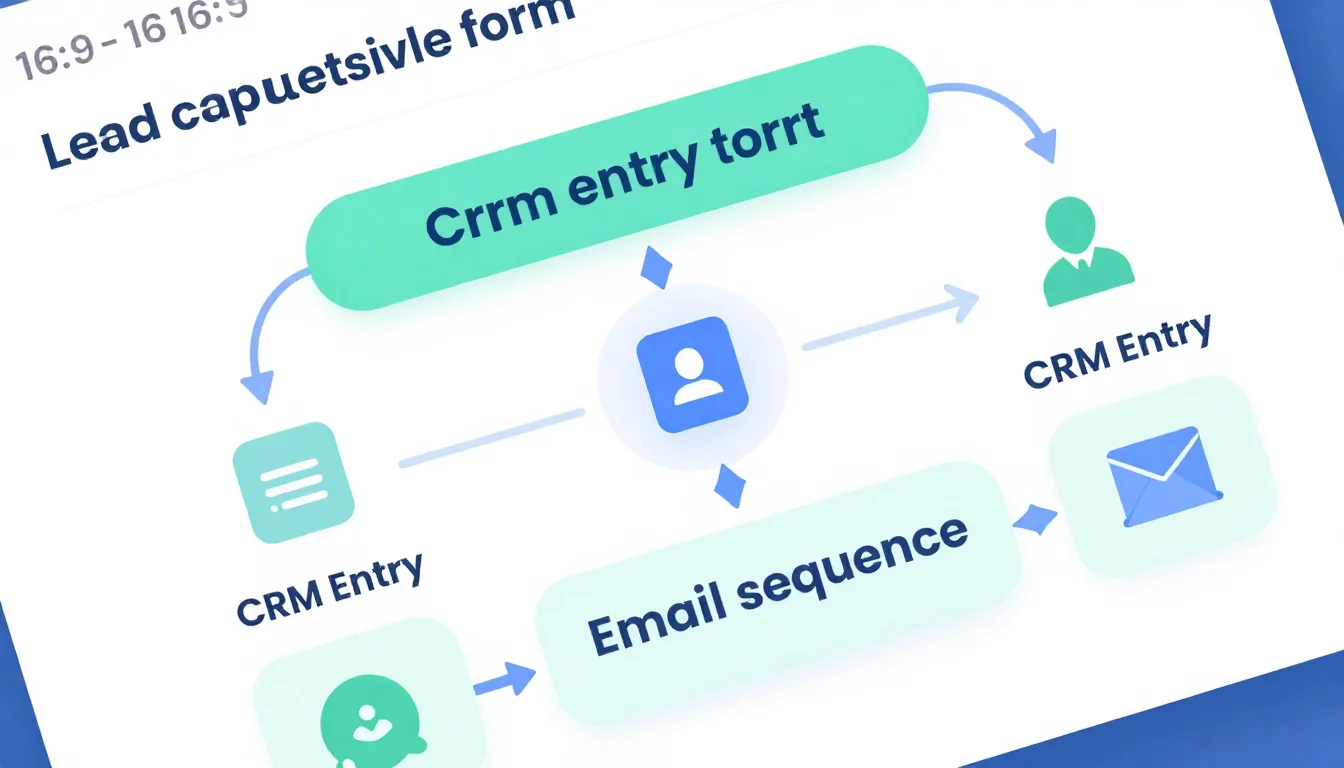
For instance, new leads from your website can auto-populate your CRM and trigger a follow-up sequence.
Document each workflow with clear triggers, actions, and exceptions. This documentation becomes your playbook for onboarding new team members and scaling operations. Business & Entrepreneurship resources often highlight these integration strategies.
Choose tools that integrate well. For example, connect your email marketing to your CRM automatically.
This ensures no lead falls through the cracks. A solid workflow stack is the backbone of this process automation guide's recommendations.
Consider scalability from the start. The tools you choose should handle increased volume as you grow.
Test integrations thoroughly before full deployment.
Common Automation Pitfalls to Avoid
Don't automate broken processes. Fix the workflow first, then digitize.
Also, avoid over-automating—some tasks need human judgment.
These include handling customer complaints or creative strategy. Maintain a balance between efficiency and personalization.
Monitor your automations regularly. A failed trigger can cause silent data loss.
Set up alerts and audit logs. For deeper insights, explore Zapier’s best practices and Process Street’s workflow templates.
Actionable Steps to Start Automating Today
Pick one repetitive task and map its current steps. Identify the tool that can handle it—many CRMs have built-in automation.
Set a 30-day timeline to implement and measure results.
Then tackle the next priority. Your first win will build momentum.
Share automation successes with your team to encourage adoption. Remember, automation is a journey, not a one-time project.
Continually refine your processes as your business evolves. The entrepreneurs who thrive will be those who leverage automation to amplify their impact.
Start your process automation journey now—your future self will thank you.
Use this process automation guide as your starting point for sustainable growth. Review your progress quarterly and adjust your stack as needed.
Embrace the mindset of continuous improvement.